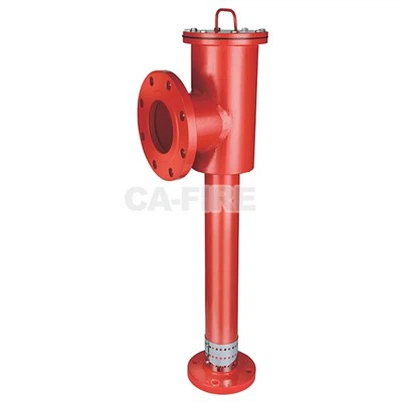

What are the special requirements for Alarm Valve Systems in hospitals?
Leave a message

Hospitals are critical facilities where the safety of patients, staff, and visitors is of utmost importance. Alarm valve systems play a vital role in ensuring the effectiveness of fire protection measures in these settings. As a supplier of alarm valve systems, I understand the unique requirements that these systems must meet in hospitals. In this blog post, I will explore the special requirements for alarm valve systems in hospitals and how our products are designed to meet these needs.
1. Reliability and Redundancy
One of the primary requirements for alarm valve systems in hospitals is reliability. Hospitals operate 24/7, and any failure in the fire protection system can have catastrophic consequences. Therefore, alarm valve systems must be designed to be highly reliable and have built - in redundancy.
Our alarm valve systems are engineered with high - quality materials and components to ensure long - term reliability. For example, the Diaphragm For Deluge Valve used in our deluge valve systems is made from durable materials that can withstand the rigors of continuous operation. It is designed to provide a tight seal and reliable performance, even under high - pressure conditions.
Redundancy is also a key feature of our systems. We incorporate backup components and alternative control mechanisms to ensure that the alarm valve system can still function in the event of a component failure. This redundancy helps to minimize downtime and ensure that the fire protection system remains operational at all times.
2. Compliance with Stringent Codes and Standards
Hospitals are subject to strict fire safety codes and standards, which are in place to protect the lives and property within these facilities. Alarm valve systems must comply with a variety of national and local codes, such as the National Fire Protection Association (NFPA) standards.
Our alarm valve systems are designed and tested to meet or exceed these codes and standards. For instance, our CA Fire Diaphragm Type Deluge Valve is engineered to comply with the specific requirements of California fire codes, which are known for their strict safety regulations. By ensuring compliance, we help hospitals avoid potential fines and legal issues while providing a high - level of fire protection.
3. Low - Maintenance and Easy - to - Operate
In a hospital environment, staff are often busy with patient care and other critical tasks. Therefore, alarm valve systems need to be low - maintenance and easy to operate. Our systems are designed with these factors in mind.
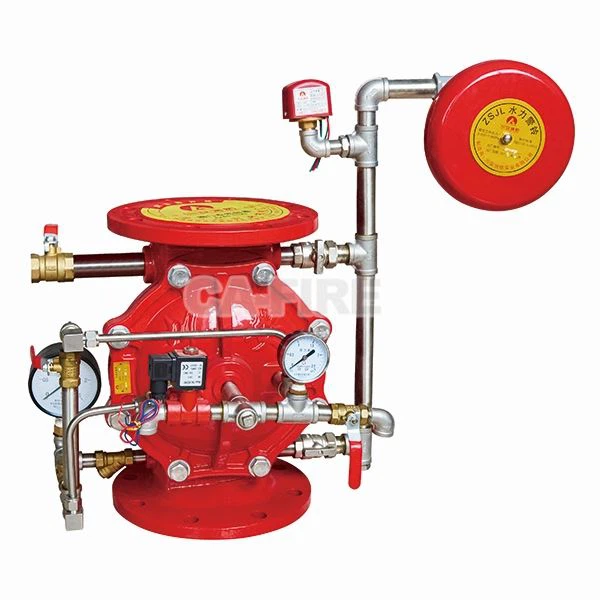
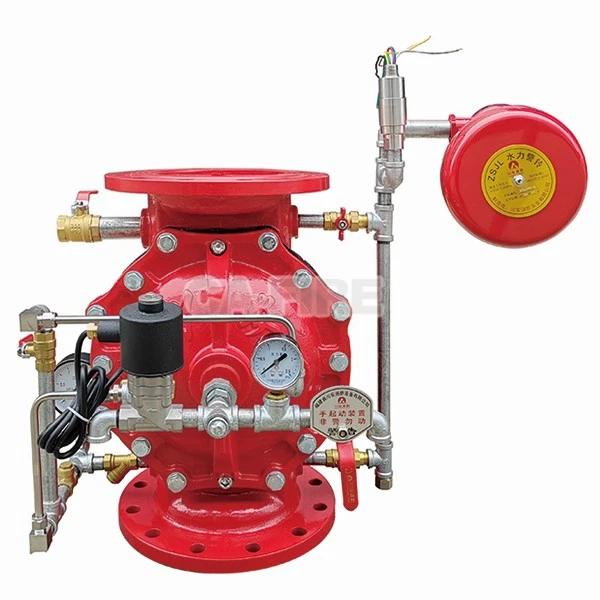
The design of our valves is such that they require minimal maintenance. For example, the Flanged Pressure Reducing Valve is engineered with a simple yet effective design that reduces the need for frequent servicing. Additionally, our alarm valve systems come with user - friendly control panels and interfaces that make them easy to operate. This allows hospital staff to quickly and easily perform routine checks and maintenance tasks without the need for extensive training.
4. Compatibility with Hospital Infrastructure
Hospitals have complex infrastructure systems, including plumbing, electrical, and ventilation systems. Alarm valve systems must be compatible with these existing systems to ensure seamless integration.
Our alarm valve systems are designed to be highly compatible with a wide range of hospital infrastructure. We offer a variety of valve sizes, connection types, and control options to ensure that our systems can be easily integrated into existing plumbing and electrical systems. This compatibility helps to minimize installation time and costs while ensuring that the fire protection system works effectively in conjunction with other hospital systems.
5. Noise and Vibration Reduction
Hospitals are places where patients need a quiet and peaceful environment for recovery. Alarm valve systems can generate noise and vibration during operation, which can be disruptive to patients and staff.
Our alarm valve systems are designed to minimize noise and vibration. We use advanced engineering techniques and high - quality components to dampen the noise and vibration generated during valve operation. This helps to create a more comfortable environment for patients and staff while ensuring that the fire protection system functions properly.
6. Quick Response Time
In the event of a fire, every second counts. Alarm valve systems in hospitals must have a quick response time to ensure that water is delivered to the fire area as soon as possible.
Our alarm valve systems are designed for rapid response. They are equipped with sensitive sensors and fast - acting valves that can detect a fire and initiate the water flow within seconds. This quick response time can help to contain the fire and prevent it from spreading, reducing the potential damage to the hospital and the risk to patients and staff.
7. Remote Monitoring and Control
With the advancement of technology, remote monitoring and control of alarm valve systems have become increasingly important in hospitals. Remote monitoring allows hospital staff and fire safety personnel to monitor the status of the alarm valve system in real - time, even from a distance.
Our alarm valve systems are equipped with remote monitoring and control capabilities. Through a secure online platform, users can access information such as valve status, water pressure, and system alarms. This enables quick decision - making and proactive maintenance, improving the overall safety and efficiency of the fire protection system.
8. Training and Support
As a supplier of alarm valve systems, we understand that proper training and support are essential for the effective use of our products in hospitals. We offer comprehensive training programs for hospital staff and fire safety personnel on the installation, operation, and maintenance of our alarm valve systems.
Our technical support team is also available 24/7 to provide assistance in case of any issues or emergencies. We ensure that our customers have access to the resources and expertise they need to keep their alarm valve systems in optimal working condition.
In conclusion, alarm valve systems in hospitals have unique requirements that must be carefully considered to ensure the safety and well - being of patients, staff, and visitors. Our company, as a leading supplier of alarm valve systems, is committed to providing high - quality products that meet these special requirements. If you are interested in learning more about our alarm valve systems or would like to discuss your specific needs for a hospital project, please feel free to reach out to us for a detailed consultation and procurement discussion.
References
- National Fire Protection Association (NFPA) standards.
- California Fire Codes.
- Industry best practices for fire protection systems in healthcare facilities.