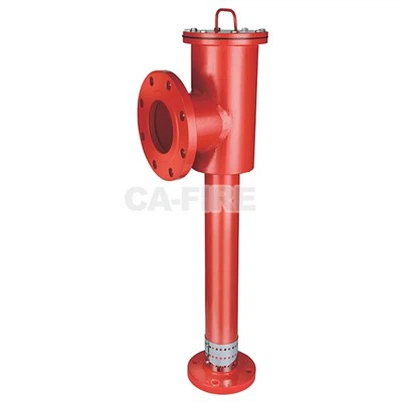

What are the types of CA fire hydrants?
Leave a message

Hey there! I'm a supplier of CA fire hydrants, and today I'm super stoked to chat with you about the different types of CA fire hydrants out there. Fire safety is no joke, and having the right fire hydrant can make all the difference in an emergency. So, let's dive right in!
Dry Barrel Fire Hydrants
First up, we've got dry barrel fire hydrants. These bad boys are pretty common, especially in areas where the ground freezes. See, the main idea behind dry barrel hydrants is to prevent water from freezing inside the hydrant during cold weather. When the water freezes, it can expand and damage the hydrant, rendering it useless when you really need it.
Dry barrel fire hydrants have a valve located below the frost line. This means that when the hydrant is not in use, the water drains out of the barrel and back into the water main, keeping the hydrant dry and protected from freezing. They usually have one large outlet at the bottom for use with large diameter hoses, and two or more smaller outlets on the sides for regular fire hoses.
Wet Barrel Fire Hydrants
In contrast to dry barrel fire hydrants, wet barrel fire hydrants are filled with water all the time. They're mostly used in areas where the climate is warm and there's no risk of freezing. Because they're constantly full of water, wet barrel fire hydrants can provide a quicker water supply when needed.
The valve on a wet barrel fire hydrant is located at the top of the hydrant. When you need to use it, you simply turn the valve to open the flow of water. These hydrants are generally simpler in design and easier to maintain compared to dry barrel hydrants. However, they're not suitable for colder regions due to the freezing issue.
Indirect-Supply Fire Hydrants
Indirect-supply fire hydrants are a bit different. They don't get water directly from the main water supply like the other two types. Instead, they're connected to a water storage tank or a pump. This setup allows for more control over the water pressure and flow rate.
Indirect-supply fire hydrants are often used in large industrial complexes or high-rise buildings where a consistent and powerful water supply is needed. They can also be used in areas where the main water supply might not be able to provide enough pressure for effective firefighting.
Wall-Mounted Fire Hydrants
Wall-mounted fire hydrants are a great option for indoor spaces. They're typically installed on the walls of buildings, making them easily accessible in case of a fire. These hydrants are often used in commercial buildings, hospitals, schools, and apartments.
Wall-mounted fire hydrants usually come with a hose reel and a nozzle attached. They're designed to be easy to operate, even by untrained individuals. Just pull the hose out, aim the nozzle, and turn on the water. It's as simple as that!
If you're interested in indoor landing fire hydrant valves, you can check out Emergency Guardian: Indoor Landing Fire Hydrant Valve For Safety Line. This product offers great safety and reliability for your fire protection needs.
Hydrant Landing Valves
Hydrant landing valves are an essential part of a fire hydrant system, especially in multi-story buildings. They're installed at each floor landing and are used to control the flow of water to the fire hoses. These valves allow firefighters to easily access and control the water supply from different floors of a building.
If you're looking for high-quality hydrant landing valves, take a look at Hydrant Landing Valves. They offer a range of options to suit different requirements.
BSP 2.5" Fire Fighting Valve
The BSP 2.5" Fire Fighting Valve is a popular choice for fire suppression systems. It's designed to provide a reliable and efficient means of controlling the flow of water in a fire hydrant system. This valve is made from high-quality materials, ensuring durability and long-term performance.
You can find more information about the BSP 2.5" Fire Fighting Valve on our website. It's a great option for both residential and commercial applications.
Selecting the Right Fire Hydrant
Now that you know about the different types of CA fire hydrants, how do you choose the right one for your needs? Well, it depends on a few factors. First, consider the climate of the area where the hydrant will be installed. If it gets cold in the winter, a dry barrel fire hydrant is a must. If the climate is warm year-round, a wet barrel fire hydrant might be a better choice.


Next, think about the location and the purpose of the hydrant. Is it for an outdoor public area, an industrial site, or an indoor building? This will help you determine whether you need a standard stand-alone hydrant, an indirect-supply hydrant, or a wall-mounted hydrant.
Finally, look at the water supply and pressure requirements. Some applications may need a higher water flow rate or pressure, which could influence your choice of hydrant and valve.
Why Choose Us as Your Supplier
As a CA fire hydrants supplier, we've got a lot to offer. We've been in the business for years, and we know our stuff. We only source the highest quality fire hydrants and related products from trusted manufacturers. Our team is always on hand to provide expert advice and support, helping you choose the right products for your specific needs.
We also offer competitive pricing and fast delivery. We understand that when it comes to fire safety, time is of the essence. That's why we work hard to get your order to you as quickly as possible.
If you're in the market for CA fire hydrants or any related products, don't hesitate to get in touch. We'd be more than happy to discuss your requirements and provide you with a quote. Whether you're a contractor, a building owner, or a facility manager, we've got the solutions you need to keep your property safe from fire.
So, what are you waiting for? Contact us today and let's start working together to enhance your fire protection system!
References
- National Fire Protection Association (NFPA) standards on fire hydrants
- Local building codes and regulations regarding fire safety equipment
- Manufacturer's product specifications and guidelines