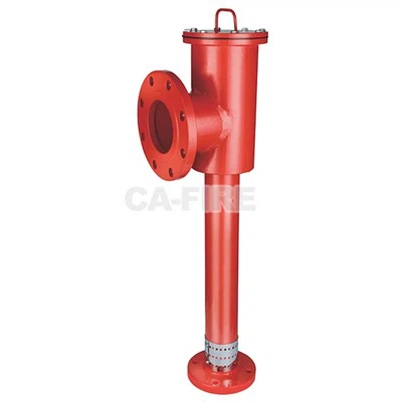

How does the weight affect the installation and use of the Foam Chamber Model?
Leave a message

Hey there! As a supplier of Foam Chamber Models, I've been getting a lot of questions lately about how weight affects the installation and use of these important fire - safety devices. So, I thought I'd sit down and write this blog to share some insights.
1. Installation Worries Based on Weight
First off, let's talk about installation. The weight of a Foam Chamber Model can really throw a wrench into the installation process. When you're dealing with a heavy - duty model, it requires a much more robust support structure. Unlike lighter models that can be easily mounted on standard walls or simple brackets, heavy foam chambers need strong foundations.
For instance, take our PCL Series Vertical Low Expansion Foam Generator – Liquid Injection Foam System. This bad boy is packed with features that make it a great option for large - scale fire protection, but its weight means you can't just slap it up anywhere. You need to have a sturdy steel frame or a reinforced concrete base to hold it. This means more planning and engineering work before the actual installation can take place.
The weight also impacts the labor required for installation. It's not a one - person job to lift a heavy foam chamber into place. You'll need a team of experienced workers with the right equipment, like cranes or hoists. This adds to the overall cost of installation. And if you're in a tight or hard - to - reach space, the weight can make the installation even more of a challenge. The workers have to be extra careful not to damage the foam chamber or the surrounding area while getting it into position.
Another aspect is the transportation of the foam chamber to the installation site. Heavy models need specialized trucks and handling equipment. There's also a risk of damage during transit. You have to make sure the foam chamber is properly secured to prevent it from shifting around and getting banged up.
2. Effects on Performance During Use
Now, let's move on to how weight affects the use of the Foam Chamber Model. The weight can influence the stability of the unit during operation. A heavier foam chamber is generally more stable, which is a plus when it comes to accurately projecting the foam. Imagine a situation where there's a large - scale fire, and the foam chamber is wobbling around because it's not stable. The foam won't be distributed evenly, and that can seriously compromise the effectiveness of the fire - fighting efforts.
But here's the catch: if the weight is too much, it can also cause problems. A very heavy foam chamber might put excessive stress on the connection points or the support structure over time. This can lead to wear and tear, and eventually, it could cause the unit to become loose or even fall off. This is a huge safety risk, especially in a fire - emergency situation.
The weight also plays a role in the internal pressure and flow of the foam. A heavier foam chamber might have a different internal resistance compared to a lighter one. This can affect the way the foam is generated and expelled. It's important to make sure that the weight of the chamber is properly balanced with the design of the foam - generation system. Otherwise, you might end up with inconsistent foam production, which is not what you want when you're trying to control a fire.
3. Different Weight - Class Foam Chambers
Let's look at different types of foam chambers and how their weights come into play.
Our Carbon Steel Fire Foam Chamber is made of, well, carbon steel. As you can guess, it's not the lightest option out there. But the ruggedness that comes with its weight makes it suitable for industrial environments. The heavyweight construction gives it great durability, which is essential in areas where there's a high risk of corrosion or physical damage.
On the other hand, our Foam Playground Equipment Fire Foam Chamber is designed to be relatively lightweight. This is because it's often used in areas where ease of installation and mobility are key. Playgrounds usually have different safety requirements, and a lighter foam chamber can be quickly installed and adjusted as needed.
4. Considerations for Customers
For our customers out there, when you're choosing a Foam Chamber Model, weight should definitely be on your list of things to consider. You need to think about where you're going to install the unit, what kind of support structure you can provide, and the overall budget for installation and maintenance.


If you're running a small business with a limited budget, a lighter foam chamber might be the way to go. It'll be easier and cheaper to install, and it might still do the job effectively for your needs. But if you're in a large industrial setting where you're dealing with high - risk fires, you might want to invest in a heavier, more robust model. Just make sure you account for all the extra costs associated with its weight during installation and use.
Let's Get in Touch!
If you're still unsure about which Foam Chamber Model is right for you, or if you have any questions regarding the weight and its impact on installation and use, don't hesitate to reach out. We're here to help you make the best decision for your fire - safety needs. Whether you need a lightweight model for a simple setup or a heavy - duty one for a complex industrial environment, we've got you covered. Just drop us a line and let's start the conversation about finding the perfect foam chamber for you.
References
- Fire Protection Handbook, National Fire Protection Association
- Foam Fire Suppression Systems Manual, Various Industry Sources