

How to Change a Gate Valve (Complete Step-by-Step Guide for Safe and Efficient Replacement)
Leave a message
What Is a Gate Valve and Why Replacement Is Necessary
A gate valve operates by lifting or lowering a gate (wedge) inside the valve body to control fluid flow. Unlike other valves, it is not designed for throttling but for full open or full close operation.
Over time, several issues may require replacement:
Internal sealing surfaces become worn, causing leakage
Stem or handwheel damage prevents proper operation
Corrosion weakens the valve body
Debris accumulation affects performance
Replacing a faulty valve promptly is essential to prevent system downtime, water loss, or safety risks in fire protection systems.
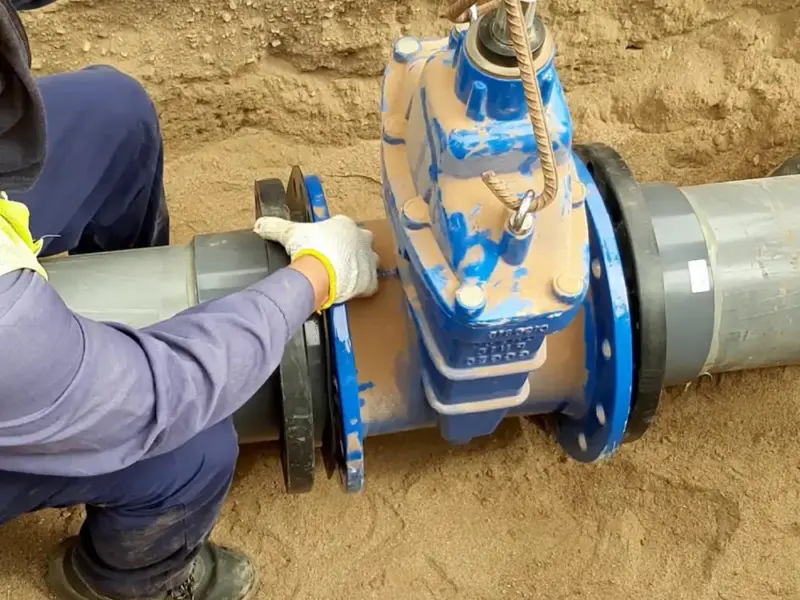
Preparation Before Replacing a Gate Valve
Proper preparation is key to a successful valve replacement. Before starting, consider the following:
1. Select the Correct Replacement Valve
Ensure the new valve matches:
Nominal pipe size (e.g., DN50, 2")
Pressure rating (e.g., PN16, Class 150)
Connection type (threaded, flanged, grooved, or welded)
Material (brass, ductile iron, stainless steel)
Using an incorrect valve can lead to leakage, poor performance, or system failure.
2. Gather Required Tools and Materials
You will need:
Pipe wrench or spanner
Bolt set and torque wrench (for flanged valves)
Pipe cutter or grinder (if pipe modification is needed)
Teflon tape or gasket materials
Cleaning brush and cloth
Lubricant or anti-seize compound
Personal protective equipment (gloves, goggles)
3. Ensure System Safety
Before removing the valve:
Shut off the main supply line
Depressurize the system completely
Drain all remaining fluid from the pipeline
Failure to follow these steps can result in injury or equipment damage.

Step-by-Step Procedure to Change a Gate Valve
Step 1: Isolate and Drain the Pipeline
Close upstream and downstream valves if available. Open a drain valve or nearby outlet to release pressure and remove residual liquid.
Step 2: Remove the Existing Gate Valve
For Threaded Connections:
Use a pipe wrench to grip the valve body
Turn counterclockwise to loosen
Support the pipe to avoid stress or misalignment
For Flanged Connections:
Loosen bolts in a diagonal (cross) pattern
Remove all bolts and nuts
Separate the valve from the flanges carefully
For Welded Valves:
Use a pipe cutter or grinder to cut the valve out
Prepare the pipe ends for welding the new valve
Step 3: Inspect the Pipeline
After removing the old valve:
Check pipe threads for wear or damage
Inspect flange faces for scratches or deformation
Remove rust, scale, or debris
A clean and smooth surface is essential for proper sealing.
Step 4: Install the New Gate Valve
Threaded Installation:
Wrap Teflon tape evenly on male threads (clockwise direction)
Screw the valve into place
Tighten securely without over-torquing
Flanged Installation:
Position a new gasket between flanges
Align the valve properly
Insert bolts and tighten in a cross pattern to ensure even pressure
Welded Installation:
Align the valve carefully
Perform welding according to applicable standards
Allow proper cooling before testing
Important installation tips:
Ensure the valve is installed in the correct orientation
The stem should ideally be vertical for ease of operation
Confirm flow direction if indicated on the valve body
Step 5: System Testing and Inspection
Once installation is complete:
Slowly restore system pressure
Inspect all joints and connections for leaks
Operate the valve fully open and fully closed
Ensure smooth movement without resistance
If leaks are detected, stop the system and re-tighten or re-seal as necessary.
Common Mistakes to Avoid
Installing the wrong valve size or pressure rating
Over-tightening threaded connections, causing damage
Reusing old gaskets in flanged connections
Skipping system depressurization before removal
Misalignment during installation leading to stress on pipes
Avoiding these mistakes will significantly improve installation quality and valve lifespan.
Applications of Gate Valve Replacement
Gate valve replacement is commonly required in:
Fire protection sprinkler systems
Industrial processing pipelines
Municipal water distribution systems
Oil and gas facilities
HVAC and cooling systems
In fire protection systems, reliable valve operation is especially critical to ensure proper emergency response.
Maintenance Tips After Installation
To extend the service life of your gate valve:
Operate the valve periodically to prevent sticking
Avoid partially open positions to reduce wear
Inspect for leaks and corrosion regularly
Lubricate the stem and moving parts when required
Schedule routine system inspections
Proper maintenance reduces the need for frequent replacements and ensures consistent performance.
Conclusion
Changing a gate valve is a fundamental maintenance task in many piping systems. By following proper procedures-such as isolating the system, selecting the correct valve, and ensuring proper installation-you can achieve a safe and efficient replacement.
Whether used in fire protection or industrial applications, a well-installed gate valve ensures reliable shut-off, system safety, and long-term operational efficiency.
For high-quality fire protection valves and system solutions:
Website: www.cafire-119.com
Email: miki@ca-fire.com
WhatsApp: +86 18160950625
CA-FIRE provides durable and internationally compliant valve products for global projects.


