

Flush vs Concealed Fire Sprinklers: What’s the Difference?
Leave a message
Flush fire sprinklers and concealed fire sprinklers are two popular sprinkler types used in modern fire protection systems. Both are designed to provide reliable automatic fire suppression while improving the appearance of interior ceilings. Although they are often used in similar environments, their structure, visibility, installation method, and maintenance requirements are quite different.
Understanding the difference between flush and concealed fire sprinklers can help contractors, building owners, architects, and distributors choose the right solution for specific projects.
What Is a Flush Fire Sprinkler?

A flush fire sprinkler is a low-profile sprinkler installed nearly level with the ceiling surface. Unlike standard pendent sprinklers that extend below the ceiling, flush sprinklers are designed to reduce visual impact while maintaining effective fire protection performance.
The sprinkler body is partially visible after installation, usually covered with a decorative escutcheon plate that creates a clean and modern appearance.
Flush sprinklers are widely used in:
Office buildings
Residential apartments
Schools
Hospitals
Shopping malls
Commercial buildings
They are especially suitable for projects that require both fire safety and attractive interior design at a reasonable cost.
Main Features of Flush Fire Sprinklers
Low-profile appearance
Decorative escutcheon design
Partially visible sprinkler body
Faster and easier installation
Easier inspection and maintenance
Suitable for suspended ceiling systems
What Is a Concealed Fire Sprinkler?
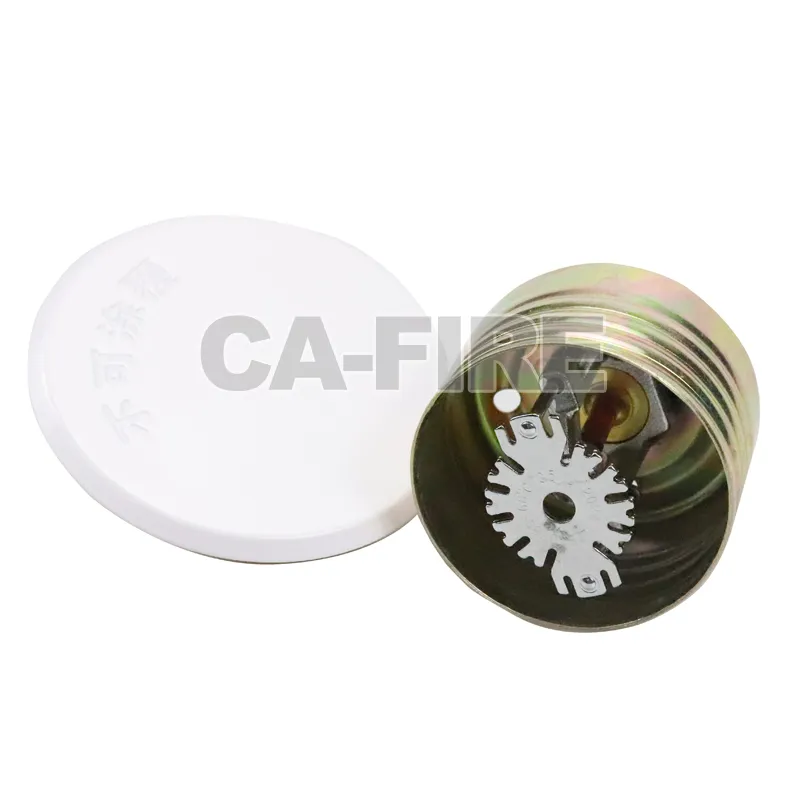
A concealed fire sprinkler is designed to remain completely hidden behind a decorative cover plate installed flush with the ceiling. Under normal conditions, the sprinkler is invisible, creating a smooth and seamless ceiling appearance.
When exposed to high temperatures during a fire, the cover plate detaches automatically, allowing the sprinkler to activate and discharge water.
Concealed sprinklers are commonly used in:
Luxury hotels
High-end apartments
Modern office interiors
Conference centers
Premium retail stores
Airports and public buildings
Because the sprinkler is hidden, concealed models are often preferred by architects and interior designers who want maximum aesthetic appeal.
Main Features of Concealed Fire Sprinklers
Fully hidden sprinkler assembly
Smooth ceiling appearance
Decorative cover plate
Minimal visual impact
Premium interior design solution
More precise installation requirements
Structural Differences Between Flush and Concealed Sprinklers
The main difference lies in the visibility and cover design.
Flush Sprinkler Structure
A flush sprinkler uses:
Sprinkler body
Frame arms
Deflector
Decorative escutcheon
Part of the sprinkler remains visible below the ceiling level.
Concealed Sprinkler Structure
A concealed sprinkler uses:
Hidden sprinkler assembly
Cover plate
Release mechanism
Concealed cup housing
The sprinkler remains fully hidden until activation.
Appearance Comparison
In modern architecture, ceiling appearance plays an important role in building design.
Flush Sprinklers
Flush sprinklers offer a clean and simple appearance while still allowing partial visibility of the sprinkler trim. They provide a balance between practicality and aesthetics.
Concealed Sprinklers
Concealed sprinklers provide the most aesthetically pleasing solution because the sprinkler is completely hidden. Only the flat cover plate is visible, blending seamlessly into the ceiling.
For luxury projects and premium interiors, concealed sprinklers are often the preferred option.
Installation Differences
Installation requirements are another major difference between the two sprinkler types.
Flush Sprinkler Installation
Flush sprinklers are generally easier and faster to install. The escutcheon plate allows some adjustment flexibility during installation, helping contractors align the sprinkler with the ceiling surface.
Advantages include:
Faster labor time
Lower installation cost
Easier alignment
Simpler replacement process
Concealed Sprinkler Installation
Concealed sprinklers require more accurate installation because the cover plate must align perfectly with the ceiling opening.
Installation considerations include:
Precise ceiling cutting
Proper cover plate positioning
Accurate sprinkler depth adjustment
Careful handling during finishing work
Improper installation may affect appearance or sprinkler activation performance.
Maintenance and Inspection
Regular maintenance is essential for all fire sprinkler systems.
Flush Sprinkler Maintenance
Flush sprinklers are easier to inspect because part of the sprinkler assembly remains visible. Technicians can quickly check for:
Corrosion
Dust accumulation
Paint contamination
Physical damage
Maintenance and replacement are generally simpler.
Concealed Sprinkler Maintenance
Concealed sprinklers require additional care because the sprinkler is hidden behind the cover plate.
Inspection usually includes:
Checking cover plate condition
Ensuring proper plate attachment
Verifying no paint or obstruction exists
Confirming activation space is unobstructed
If the cover plate is damaged or improperly installed, sprinkler operation may be affected.
Cost Comparison
Cost is another important consideration in construction projects.
Flush Fire Sprinklers
Flush sprinklers are usually more economical because:
Installation is simpler
Components are less complex
Labor costs are lower
They are often selected for large commercial projects where appearance matters but budget control is still important.
Concealed Fire Sprinklers
Concealed sprinklers generally cost more due to:
Decorative concealed cover plates
More precise installation
Higher aesthetic requirements
They are commonly used in premium projects with higher interior design standards.
Fire Protection Performance
Both flush and concealed sprinklers are designed to provide reliable fire protection when properly installed according to fire safety standards.
Performance depends on:
Temperature rating
Water pressure
Sprinkler spacing
Ceiling configuration
Hazard classification
The choice between flush and concealed sprinklers is usually based more on appearance and installation preference rather than suppression capability.
Which Fire Sprinkler Type Should You Choose?
The ideal sprinkler type depends on the building application, interior design goals, and project budget.
Choose Flush Fire Sprinklers If:
You want a modern appearance with easier maintenance
The project requires cost-effective aesthetics
Faster installation is preferred
The building is a standard commercial or residential project
Choose Concealed Fire Sprinklers If:
Premium interior appearance is a priority
You want the sprinkler completely hidden
The project includes luxury architectural design
High-end hotel or retail aesthetics are important
Conclusion
Flush and concealed fire sprinklers both provide reliable automatic fire protection while improving ceiling appearance compared to traditional sprinklers.
Flush sprinklers offer a practical balance between aesthetics, installation simplicity, and maintenance convenience. Concealed sprinklers provide the highest level of visual appeal by completely hiding the sprinkler assembly behind a decorative cover plate.
As modern buildings continue emphasizing both safety and interior design, flush and concealed sprinkler systems remain essential solutions in commercial, residential, and hospitality fire protection projects.


