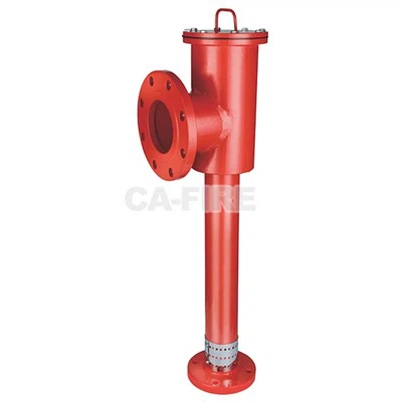

What is the fire - fighting capacity of the Foam Chamber Model in a large - scale fire?
Leave a message

What is the fire - fighting capacity of the Foam Chamber Model in a large - scale fire?
In the realm of fire safety, large - scale fires pose an extremely significant threat to life, property, and the environment. As a reliable supplier of Foam Chamber Models, I am often asked about the fire - fighting capacity of these devices in large - scale fire scenarios. In this blog post, I will delve into the details of the fire - fighting capacity of Foam Chamber Models and explain how they can effectively handle large - scale fires.
Understanding Foam Chamber Models
Foam chambers are essential components in foam - based fire protection systems. They are designed to generate and discharge a stable foam blanket over the surface of a flammable liquid, which helps to prevent the release of flammable vapors, suppress the fire, and prevent re - ignition. There are different types of foam chambers available, each with its own unique features and applications.
One of the popular types is the Fire Foam Chamber. This type of foam chamber is widely used in various industrial settings, such as oil refineries, chemical plants, and storage terminals. It is designed to work with different types of foam concentrates, including protein - based, fluoroprotein - based, and synthetic - based foams. The Fire Foam Chamber can generate a high - quality foam that spreads quickly over the surface of the flammable liquid, providing effective fire suppression.
Another notable model is the PCL Series Vertical Low Expansion Foam Generator – Liquid Injection Foam System. This system is specifically designed for low - expansion foam applications. Low - expansion foams have an expansion ratio of less than 20:1, which means they are denser and more suitable for covering large areas of flammable liquids. The PCL Series is known for its efficient foam generation and reliable performance, even in harsh industrial environments.
The CA Expansion Foam Chamber is also a great option for large - scale fire protection. It is designed to be used with CA - type foam concentrates, which have excellent fire - fighting properties. The CA Expansion Foam Chamber can quickly generate a large volume of foam, which can effectively extinguish fires involving flammable liquids and prevent the spread of fire.
Fire - fighting Capacity in Large - Scale Fires
When it comes to large - scale fires, the fire - fighting capacity of a foam chamber model is determined by several key factors.
- Foam Generation Rate: The ability of a foam chamber to generate a sufficient volume of foam in a short period is crucial. In large - scale fires, a high foam generation rate is required to quickly cover the large surface area of the burning flammable liquid. For example, in an oil storage tank fire, thousands of square meters of the tank surface may be burning. A foam chamber with a high foam generation rate can produce enough foam to smother the fire rapidly.
- Foam Expansion Ratio: The expansion ratio of the foam is another important factor. As mentioned earlier, low - expansion foams are denser and more suitable for large - scale fire suppression. They can form a thick and stable foam blanket that can effectively prevent the release of flammable vapors. High - expansion foams, on the other hand, have a higher expansion ratio (usually greater than 200:1) and are more suitable for filling enclosed spaces to displace oxygen and extinguish fires. The choice of foam expansion ratio depends on the specific characteristics of the large - scale fire, such as the type of flammable liquid and the nature of the fire area.
- Foam Quality: The quality of the foam generated by the chamber also affects its fire - fighting capacity. High - quality foam should have good stability, adhesion, and cooling properties. Stable foam can remain on the surface of the flammable liquid for a longer time, providing continuous fire suppression. Adhesive foam can stick to vertical surfaces, which is useful in fires where the flammable liquid has spread to walls or other structures. Cooling properties of the foam help to reduce the temperature of the burning area, which can prevent the re - ignition of the fire.
- Compatibility with Foam Concentrates: Different foam chamber models are designed to work with specific types of foam concentrates. The compatibility between the chamber and the foam concentrate is essential for achieving optimal fire - fighting performance. For instance, some foam chambers are designed for use with protein - based foams, which are effective against hydrocarbon - based flammable liquids. Others may be compatible with synthetic foams, which can offer better performance in certain situations, such as fires involving polar solvents.
Case Studies
To illustrate the fire - fighting capacity of Foam Chamber Models in large - scale fires, let's look at some real - world case studies.
In an oil refinery fire, a large storage tank containing crude oil caught fire. The fire spread rapidly, threatening other storage tanks in the vicinity. A Fire Foam Chamber was installed on the affected tank. The chamber was connected to a foam - based fire protection system, which was activated immediately after the fire was detected. The chamber quickly generated a large volume of high - quality foam, which covered the surface of the burning crude oil. The foam blanket effectively suppressed the fire, preventing the spread of flames to other tanks and reducing the release of flammable vapors. The fire was extinguished within a short period, minimizing the damage to the refinery.
In another case, a chemical plant experienced a fire in a large storage area containing various flammable chemicals. The PCL Series Vertical Low Expansion Foam Generator – Liquid Injection Foam System was employed. The low - expansion foam generated by this system was able to cover the large area of the chemical storage, suppressing the fire and preventing it from spreading to other parts of the plant. The stable and dense foam effectively controlled the release of flammable vapors, ensuring the safety of the workers and minimizing the environmental impact.
Why Choose Our Foam Chamber Models
As a leading supplier of Foam Chamber Models, we offer several advantages for customers who are looking for effective fire - fighting solutions for large - scale fires.


- High - Quality Products: Our foam chamber models are manufactured using high - quality materials and advanced manufacturing processes. This ensures their reliability and durability, even in harsh industrial environments. We conduct strict quality control checks at every stage of production to ensure that our products meet the highest standards.
- Customized Solutions: We understand that different large - scale fire scenarios require different solutions. That's why we offer customized foam chamber models to meet the specific needs of our customers. Whether it's a unique industrial application or a specific type of flammable liquid, we can provide a tailored solution that offers optimal fire - fighting performance.
- Expert Technical Support: Our team of experts has extensive knowledge and experience in the field of fire protection. We can provide technical support to our customers, including installation guidance, maintenance advice, and training. This ensures that our customers can use our foam chamber models effectively and safely.
Contact Us for Procurement
If you are in need of reliable foam chamber models for large - scale fire protection, we invite you to contact us for procurement and further discussion. Our team is ready to assist you in choosing the most suitable foam chamber model for your specific requirements. We can provide detailed product information, pricing, and delivery options to help you make an informed decision.
References
- NFPA 11: Standard for Low -, Medium -, and High - Expansion Foam.
- API RP 2030: Fire Protection for Fixed - Roof and Internal Floating - Roof Storage Tanks for Flammable and Combustible Liquids.
- Factory Mutual Research Corporation (FM) standards related to foam - based fire protection systems.