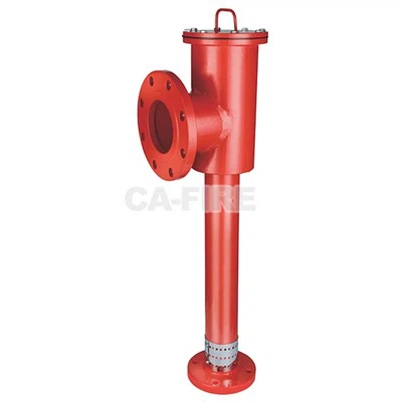

How to transport fire monitor parts safely?
Leave a message

Hey there! As a supplier of Fire Monitor Parts, I've seen firsthand how crucial it is to transport these parts safely. Fire monitors are essential for fire protection systems, and any damage during transportation can lead to serious problems. In this blog, I'll share some tips on how to transport fire monitor parts safely.
Understanding the Parts
First things first, you need to understand what you're transporting. Fire monitor parts come in all shapes and sizes, from small nozzles to large base units. Each part has its own unique characteristics and requirements for safe transportation.
For example, Manual Fixed Stainless Steel Material For Fire Protection Flexible Features Water Jet Fire Monitor is made of stainless steel, which is durable but can be heavy. You need to make sure it's properly secured to prevent it from shifting during transit. On the other hand, the Aluminium Alloy Automatic Fire Monitor is lighter but more prone to scratches and dents, so it needs extra protection.
Packaging
Proper packaging is key to safe transportation. You want to use high - quality materials that can withstand the rigors of shipping.
- Boxes: Use sturdy cardboard boxes that are the right size for the parts. If the box is too big, the parts can move around and get damaged. If it's too small, you might damage the parts while trying to fit them in.
- Padding: Fill the empty spaces in the box with padding materials like bubble wrap, foam peanuts, or air pillows. This will absorb any shocks during transit and protect the parts from impact.
- Sealing: Make sure the boxes are well - sealed with strong packing tape. You don't want the boxes to open up during transportation.
For parts like the Explosion - Proof Electric Fixed - Mount Fire Monitor, which may have sensitive electrical components, you might need to use anti - static packaging to prevent static electricity from damaging the parts.
Labeling
Labeling your packages is important for several reasons. It helps the shipping company handle the packages correctly, and it also makes it easier for the recipient to identify the parts.
- Fragile Labels: If the parts are fragile, clearly mark the boxes with "Fragile" labels. This will alert the handlers to be extra careful.
- Handling Instructions: Include any special handling instructions on the labels, such as "This Side Up" or "Do Not Stack."
- Part Information: Write down the name and description of the parts on the labels. This will help the recipient quickly identify what's inside the box.
Choosing a Shipping Method
There are several shipping methods available, and the one you choose depends on various factors like the size and weight of the parts, the destination, and the urgency of the delivery.
- Courier Services: Courier services like FedEx, UPS, or DHL are great for small to medium - sized parts. They offer tracking services, so you can keep an eye on your shipment.
- Freight Shipping: For large and heavy parts, freight shipping is a better option. There are different types of freight shipping, such as less - than - truckload (LTL) and full - truckload (FTL). LTL is more cost - effective if you don't have a lot of parts to ship, while FTL is faster and more secure for larger shipments.
- Local Delivery: If the recipient is in the local area, you might consider local delivery services. This can be more personalized and faster.
Insurance
It's always a good idea to get insurance for your shipments. Accidents can happen during transportation, and insurance will protect you from financial losses if the parts get damaged or lost.
Most shipping companies offer insurance options, but make sure you understand the terms and conditions. Some insurance policies may have limitations on the types of damage they cover, so read the fine print carefully.
Pre - shipment Inspection
Before you send out the parts, conduct a thorough inspection. Check for any signs of damage or defects. If you find any issues, fix them before shipping.
You should also take photos of the parts before packaging them. This will serve as evidence in case there are any disputes about the condition of the parts upon arrival.
Communication
Good communication is essential throughout the transportation process.
- With the Shipping Company: Keep in touch with the shipping company to get updates on the status of your shipment. If there are any delays or issues, they can let you know in advance.
- With the Recipient: Let the recipient know when the parts are being shipped and provide them with the tracking information. This will help them plan for the arrival of the parts.
Final Checks at Destination
Once the parts arrive at the destination, the recipient should conduct a final check. They should inspect the parts for any damage that may have occurred during transportation.
If there is any damage, the recipient should immediately contact the shipping company and provide them with the photos and details of the damage. They should also contact you as the supplier so that you can work together to resolve the issue.
Conclusion
Transporting fire monitor parts safely requires careful planning, proper packaging, labeling, and communication. By following these tips, you can ensure that your parts arrive at their destination in good condition.


If you're in the market for high - quality fire monitor parts, we've got you covered. We offer a wide range of parts, including the Manual Fixed Stainless Steel Material For Fire Protection Flexible Features Water Jet Fire Monitor, Aluminium Alloy Automatic Fire Monitor, and Explosion - Proof Electric Fixed - Mount Fire Monitor. If you have any questions or want to discuss your procurement needs, don't hesitate to reach out. We're here to help you get the best fire monitor parts for your projects.
References
- General knowledge on shipping and handling of industrial parts
- Industry best practices for transporting sensitive and heavy equipment