

Why Cities Are Upgrading Fire Hydrant Infrastructure
Leave a message
The Importance of Fire Hydrant Infrastructure in Urban Safety
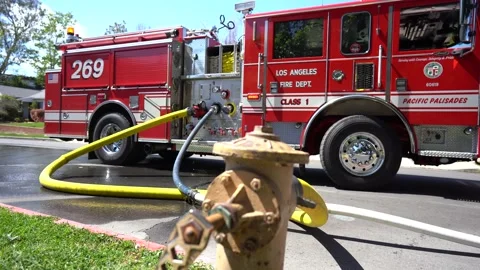
Fire hydrants play a vital role in providing firefighters with immediate access to water during emergencies. In densely populated urban areas, fast access to reliable water sources can significantly reduce fire damage and help protect lives and property.
Hydrants are usually connected directly to municipal water supply pipelines, allowing firefighters to connect hoses and quickly deliver large volumes of water to the fire scene. Without a properly maintained hydrant network, emergency response teams may face delays that can lead to more severe fire incidents.
As cities continue to expand and buildings become taller and more complex, the demand for efficient fire protection infrastructure has increased. Modern hydrant systems must support higher water pressure, larger flow capacity, and compatibility with various firefighting equipment. Upgrading hydrant infrastructure ensures that fire departments can respond effectively to modern urban fire risks.
Aging Infrastructure Requires Replacement
Many cities around the world installed their fire hydrant networks several decades ago. Over time, these hydrants are exposed to harsh environmental conditions such as temperature changes, corrosion, soil movement, and road construction.
Older hydrants may suffer from several issues, including internal corrosion, reduced water flow, damaged valves, or leakage. In some cases, hydrants may even become inoperable during emergencies due to lack of maintenance or outdated designs.
Replacing aging hydrants with modern models helps cities improve reliability and reduce maintenance costs. New hydrants are typically made from durable materials such as ductile iron or corrosion-resistant coatings, allowing them to perform reliably for many years even in harsh environments.
Regular infrastructure upgrades also help ensure that hydrants meet current fire safety standards and municipal regulations.
Increasing Urban Population and Fire Risk
Urban populations are growing rapidly, especially in developing regions and major metropolitan areas. As cities expand, new residential communities, commercial buildings, and industrial facilities are constantly being constructed.
With increased population density and infrastructure development, the potential impact of fires becomes greater. Modern fire hydrant systems must be capable of supporting larger firefighting operations and delivering higher water flow to meet the needs of large buildings and complex urban environments.
Cities are therefore installing additional hydrants in new development areas and upgrading existing ones to support higher flow capacity. This expansion ensures that firefighters can access water quickly regardless of where a fire occurs within the city.
Proper hydrant spacing and coverage are also essential for maintaining effective fire protection throughout urban areas.
Improved Fire Hydrant Technology
Advancements in engineering and manufacturing have significantly improved modern fire hydrant design. Today's hydrants are built to provide better durability, easier operation, and more efficient water delivery during firefighting operations.
Many modern hydrants feature improved valve mechanisms that allow faster water activation and smoother operation. Enhanced sealing systems help prevent water leakage and reduce maintenance requirements.
Some hydrants are designed with breakaway safety features that minimize damage when struck by vehicles, which is especially important in busy urban environments. Others include corrosion-resistant coatings that extend service life and reduce long-term maintenance costs.
These technological improvements help municipalities maintain reliable fire protection systems while reducing operational expenses.
Compliance with Modern Fire Safety Regulations
Fire safety regulations and building codes are becoming stricter in many countries. Governments and regulatory authorities require cities to maintain properly functioning hydrant systems that meet updated safety standards.
New regulations may specify requirements such as hydrant spacing, water flow capacity, operating pressure, and accessibility for firefighting vehicles. Older hydrants may not meet these modern standards, making upgrades necessary.
By modernizing hydrant infrastructure, cities can ensure compliance with fire safety regulations and reduce potential risks associated with outdated equipment. Regular testing and inspection programs are also implemented to verify hydrant performance and readiness.
Enhancing Emergency Response Efficiency
Upgraded fire hydrant infrastructure directly improves the efficiency of firefighting operations. When hydrants are properly maintained and strategically located, firefighters can quickly connect hoses and begin firefighting efforts without delay.
High-flow hydrants allow firefighters to deliver more water in a shorter amount of time, which is critical for controlling large fires. Clear markings, standardized connections, and reliable valve operation also make hydrants easier to use during emergencies.
Some cities are also integrating hydrant location data into digital mapping systems, allowing fire departments to quickly identify the nearest water source during an emergency response.
These improvements contribute to faster response times and more effective fire suppression efforts.
Conclusion
Upgrading fire hydrant infrastructure is an essential step for modern cities aiming to improve public safety and emergency preparedness. Aging equipment, growing urban populations, stricter fire safety regulations, and advancements in technology are all driving the need for hydrant system upgrades.
By investing in modern, durable fire hydrants and maintaining reliable water supply networks, municipalities can significantly enhance firefighting capabilities and protect communities from fire risks. A well-maintained hydrant system remains one of the most important elements of urban fire protection infrastructure.
About CA-FIRE
CA-FIRE provides professional firefighting equipment and fire protection system solutions, including fire hydrants, valves, foam systems, and fire hose equipment for global markets.
🌐 Website: www.cafire-119.com
📧 Email: miki@ca-fire.com
📱 WhatsApp: +86 18160950625


