

How Cities Maintain Fire Hydrants To Ensure Emergency Readiness
Leave a message
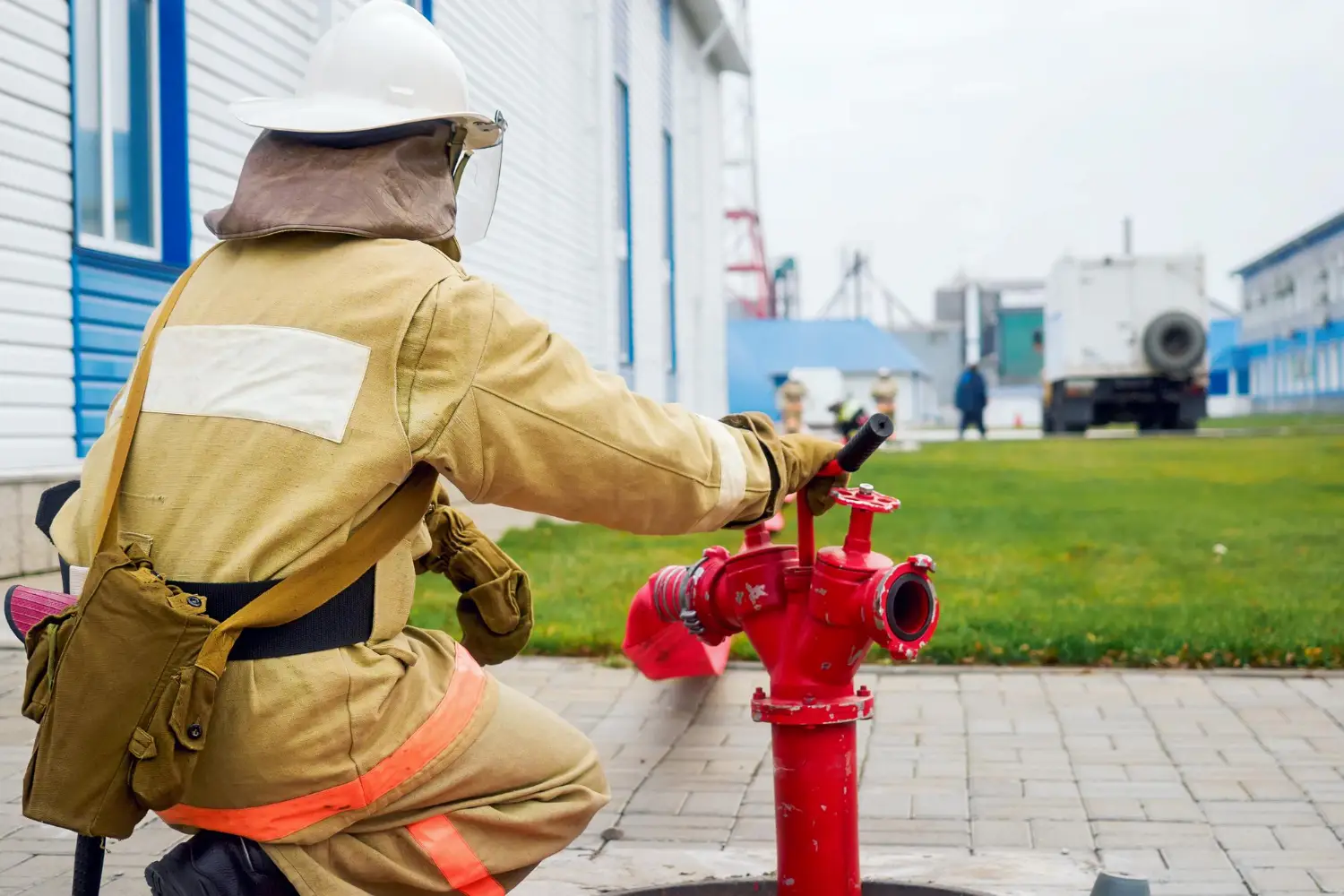

Fire hydrants are essential components of urban fire protection systems. They provide firefighters with immediate access to water during emergencies, helping to control and extinguish fires efficiently. To ensure hydrants remain reliable, cities conduct regular maintenance, inspections, and testing. Proper upkeep prevents system failures and guarantees hydrants are ready for emergency use at all times.
Importance of Fire Hydrant Maintenance
Regular maintenance ensures that fire hydrants function correctly when needed. Over time, hydrants may suffer from corrosion, mechanical wear, or debris blockages, which can impact performance. Without routine inspections, these issues might prevent firefighters from accessing water quickly during a fire.
Municipal maintenance programs help:
Ensure continuous water availability for firefighting
Detect and repair potential issues early
Improve overall fire response efficiency
Protect public safety and infrastructure
Regular Fire Hydrant Inspections
Cities typically inspect fire hydrants at least once or twice a year. Inspections focus on checking mechanical components and identifying visible problems that could affect operation.
During an inspection, technicians usually:
Test the operating nut and valve movement
Inspect caps, bolts, and threads for damage
Look for leaks or corrosion
Ensure hydrants are accessible and unobstructed
Routine inspections help detect minor problems before they become serious failures, reducing emergency risks.
Fire Hydrant Flow Testing
Flow testing measures water pressure and discharge capacity to verify hydrant performance. This process involves opening the hydrant and evaluating how much water it can supply under operational conditions.
Flow testing provides valuable data, including:
Available water pressure for firefighting
Hydrant performance under real conditions
Potential weaknesses in the municipal water network
Fire departments use this information to plan effective firefighting strategies and ensure adequate water resources in different areas of the city.
Flushing and Cleaning Hydrants
Sediment and debris can accumulate in water pipelines over time, reducing water quality and flow efficiency. Hydrant flushing removes these deposits by allowing high-pressure water to clear the system.
Flushing benefits include:
Improved water flow
Removal of rust and sediment
Better hydrant performance
Extended service life of the equipment
Many cities schedule flushing programs annually or seasonally to maintain water system quality.
Repair and Component Replacement
If inspections reveal damage, maintenance teams repair or replace faulty components. Common repairs include:
Replacing worn gaskets
Fixing leaking valves
Repairing threads and seals
Repainting hydrants to prevent corrosion
Timely repairs help keep hydrants operational and extend their lifespan, reducing long-term maintenance costs.
Keeping Hydrants Accessible
Hydrants must remain visible and easy to access during emergencies. Cities enforce regulations to prevent obstructions such as parked vehicles or construction materials.
In colder regions, snow removal around hydrants is also essential so firefighters can quickly connect hoses during winter emergencies.
Conclusion
Fire hydrant maintenance is a critical responsibility for municipalities and water utilities. Through regular inspections, flow testing, flushing, and repairs, cities ensure hydrants remain reliable in emergencies. Proper upkeep protects firefighting infrastructure and enhances community safety.
About us:
CA-FIRE specializes in manufacturing fire protection equipment, including fire hydrants, valves, and firefighting accessories for global fire safety projects.
🌐 Website: www.cafire-119.com
📧 Email: miki@ca-fire.com
📱 WhatsApp: +86 18160950625


