

Fire Protection System Design For LNG & LPG Facilities
Leave a message
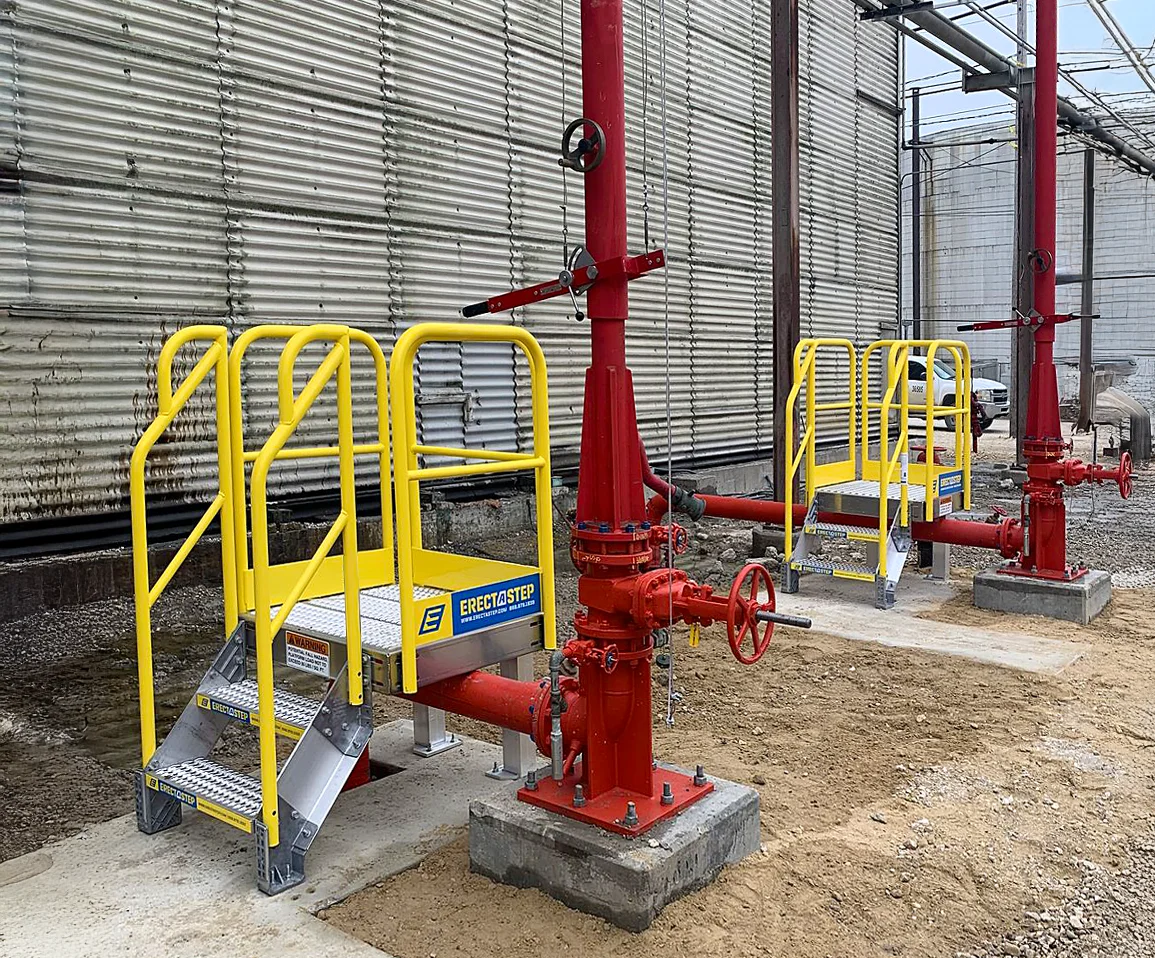
🏭 1. Risk Characteristics of LNG & LPG Facilities
LNG and LPG behave differently from conventional fuels:
LNG (Liquefied Natural Gas): Extremely low temperature (-162°C), forms large vapor clouds when released
LPG (Liquefied Petroleum Gas): Heavier-than-air gas, accumulates in low areas and confined spaces
Key fire risks include:
Vapor cloud explosions (VCE)
Pool fires from liquid leakage
Jet fires from pressurized release
Rapid flame propagation in confined zones
Due to these risks, fire protection systems must be designed for fast detection, rapid activation, and large-area suppression.
🚒 2. Fire Protection Design Philosophy
Fire protection for LNG & LPG facilities is based on a multi-layer defense strategy:
Prevention (Leak control & gas detection)
Early detection (Flame, gas, heat sensors)
Active suppression (Water, foam, dry chemical systems)
Exposure protection (Cooling adjacent equipment)
Emergency response integration
The goal is not only to extinguish fire but also to prevent escalation and secondary explosions.
🧪 3. Gas Detection and Early Warning Systems
Before fire suppression activates, detection systems play a critical role.
Common technologies include:
Hydrocarbon gas detectors
Infrared flame detectors
Heat detection systems
Pressure and leak monitoring systems
When gas concentration exceeds safety thresholds, alarms trigger automatic responses such as ventilation control and system activation.
🚒 4. Water-Based Fire Protection Systems
Water systems are widely used for cooling and exposure protection, not direct extinguishment of gas fires.
Key components include:
Fire hydrant systems
Deluge sprinkler systems
Water spray cooling systems
Fire monitors (water cannons)
In LNG & LPG facilities, deluge systems are particularly important, as they provide immediate full-area water discharge when activated.
Fire monitors are often installed around storage tanks and loading areas to provide long-range cooling protection.
🧯 5. Foam Fire Suppression Systems
Foam systems are widely used for hydrocarbon-related fire risks, especially for LPG liquid pool fires.
Foam works by:
Forming a sealing layer over fuel surface
Reducing oxygen contact
Suppressing vapor release
Cooling the fire zone
Common foam types include AFFF and AR-AFFF, depending on fuel and environmental conditions.
Foam systems are typically integrated with proportioning systems such as bladder tanks or inline foam inductors.
⚡ 6. Dry Chemical Suppression Systems
Dry chemical systems are used for fast flame knockdown, especially in:
Loading/unloading stations
Compressor areas
Valve manifolds
These systems provide rapid suppression but are often used in combination with water and foam systems for complete protection.
🔥 7. Fire Monitors and High-Risk Zone Protection
Fire monitors (water cannons) are essential in LNG & LPG facilities due to their ability to deliver high-volume water over long distances.
They are commonly used for:
Storage tank cooling
Pipeline protection
Jet fire shielding
Emergency boundary protection
Modern systems may include remote electric control for safe operation from protected control rooms.
🧯 8. Explosion-Proof Equipment Requirements
Because LNG & LPG environments contain flammable gases, all electrical fire protection equipment must meet explosion-proof requirements.
This includes:
Electric fire monitors
Control panels
Pump room equipment
Remote actuation systems
Proper certification and zoning classification (hazardous area design) are essential.
📏 9. International Design Standards
Fire protection design in LNG & LPG facilities typically follows strict international standards such as:
NFPA 59A
NFPA 15
API standards (American Petroleum Institute guidelines)
Local industrial safety regulations
These standards define system layout, water demand calculations, and equipment spacing.
🏗️ 10. System Integration Strategy
A complete LNG/LPG fire protection system typically integrates:
Gas detection system
Deluge water spray system
Foam suppression system
Fire hydrant network
Fire monitors (manual + remote)
Emergency shutdown (ESD) system
All systems must be linked through a central control panel to ensure coordinated response during emergencies.
🔍 11. Conclusion
Fire protection system design for LNG & LPG facilities requires a highly engineered, multi-layered approach combining detection, suppression, and exposure protection.
Due to the extreme fire and explosion risks, system reliability and response speed are critical.
By integrating water spray systems, foam suppression, fire monitors, and explosion-proof controls under recognized standards such as NFPA 59A, industrial plants can significantly reduce fire risk and improve operational safety.


