

Data Center Fire Suppression Systems: New Industry Requirements
Leave a message
As data centers continue to expand globally, fire safety requirements are becoming more strict and specialized. With high-density servers, sensitive electronic equipment, and continuous operation demands, traditional fire protection methods are no longer sufficient. New industry standards now focus on faster detection, cleaner suppression agents, and system reliability with minimal downtime impact.
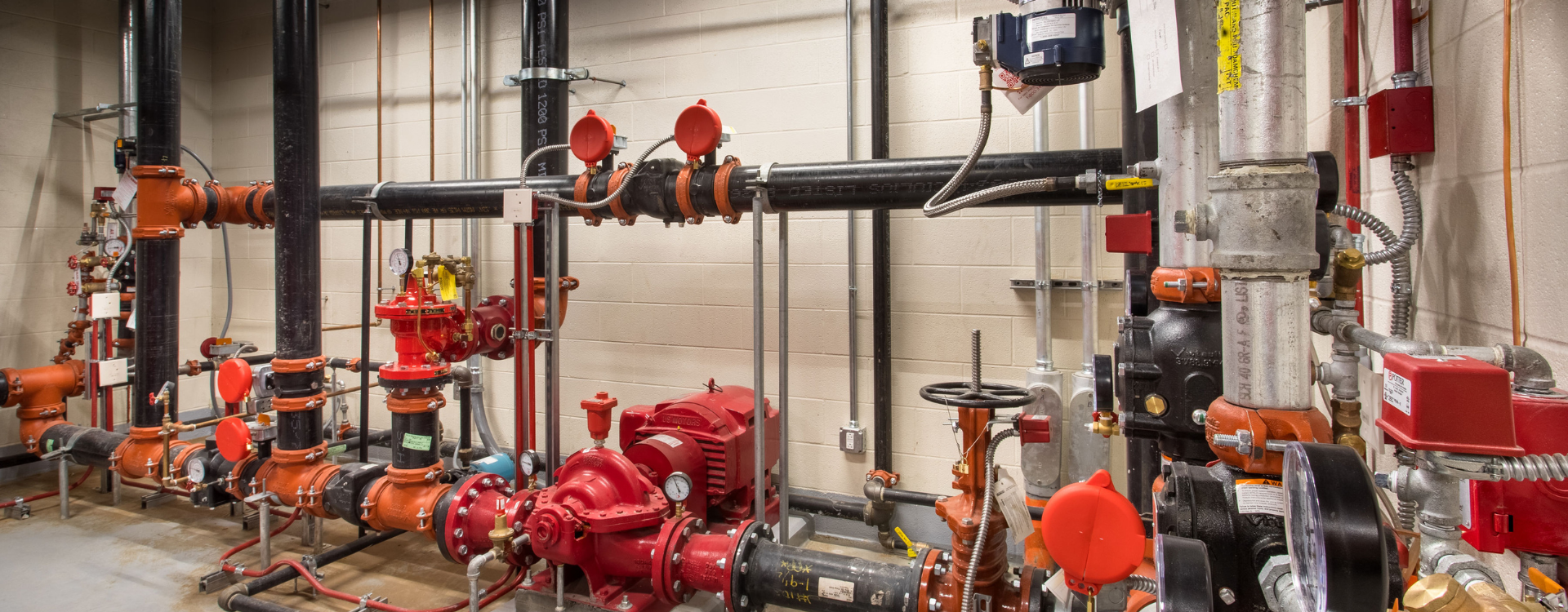
Why Fire Protection in Data Centers Is Critical
Data centers store massive amounts of critical digital information. A small fire incident can lead to:
Severe data loss
Long-term service downtime
High financial damage
Network disruption across multiple industries
Because of this, fire protection systems must ensure immediate response without damaging IT equipment.
New Industry Requirements for Fire Suppression Systems
1. Clean Agent Suppression Systems
Modern data centers increasingly require clean agents such as inert gases or chemical agents that leave no residue. These systems suppress fire without damaging servers or electrical components.
Key requirement:
No water or residue-based discharge in server rooms
2. Early Detection Technology
New standards emphasize very early smoke detection (VESDA systems) and intelligent sensors capable of identifying abnormal heat or particle levels before fire spreads.
Key requirement:
Detection at pre-combustion stage
3. Zoned Fire Protection Design
Large-scale data centers now require multi-zone protection systems to isolate fire events and prevent system-wide shutdowns.
Key requirement:
Localized suppression instead of full-room activation
4. Fast Response Time Systems
Fire suppression systems must activate within seconds after detection. Delays can result in rapid fire spread due to high energy equipment density.
Key requirement:
Ultra-fast activation and discharge response
5. Integration with Building Management Systems (BMS)
Modern fire systems must integrate with BMS and IT monitoring platforms to enable automatic shutdown of power and HVAC systems during emergencies.
Key requirement:
Full system automation and remote monitoring capability
Role of Water-Based Systems in Data Centers
While clean agents dominate sensitive server areas, water-based fire protection systems are still required in:
Electrical distribution rooms
Cooling systems areas
Support infrastructure zones
Advanced sprinkler systems are now designed with:
High precision activation
Controlled spray patterns
Reduced water damage risk
Industry Trend: Hybrid Fire Protection Systems
The latest trend is the use of hybrid systems, combining:
Clean agent suppression (for IT rooms)
Water mist or sprinklers (for supporting areas)
Intelligent detection systems (for early warning)
This layered approach ensures both equipment safety and structural protection.
Conclusion
Data center fire suppression systems are evolving toward smarter, faster, and cleaner technologies. New industry requirements focus on minimizing downtime, protecting sensitive electronics, and ensuring rapid, localized fire control.
As global digital infrastructure continues to grow, advanced fire protection design will remain a critical part of data center safety strategy.


