
When Does a Dry-Barrel Hydrant Have Water? Operation, Benefits & Maintenance Guide
Leave a message
A dry-barrel hydrant only has water in it when it is opened for use. This essential feature makes it ideal for fire protection systems in cold climates, preventing freezing and ensuring reliable performance in emergencies.
What Is a Dry-Barrel Hydrant?
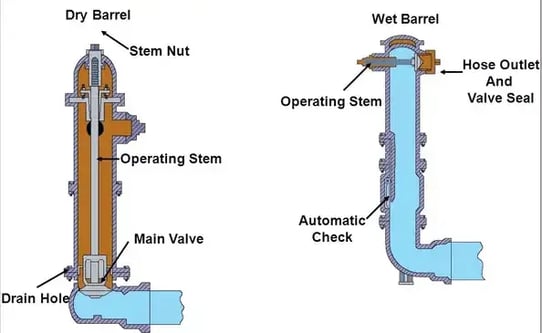
A dry-barrel fire hydrant is designed for use in areas where temperatures drop below freezing. Unlike wet-barrel hydrants, the main valve is located underground, below the frost line. This design keeps water out of the above-ground barrel when the hydrant is not in use.
When Does a Dry-Barrel Hydrant Contain Water?
A dry-barrel hydrant only contains water under the following conditions:
When the hydrant is opened during firefighting operations
When it is being tested or inspected
When water is actively flowing from the supply system
Once the hydrant is closed, all remaining water drains out, leaving the barrel dry.
How Does a Dry-Barrel Hydrant Work?
1. Closed Position
The main valve remains shut below ground
No water enters the upper barrel
The hydrant stays completely dry
2. Opening the Hydrant
The operating nut is turned using a hydrant wrench
The valve stem rises and opens the underground valve
Pressurized water enters the hydrant
3. Water Flow
Water travels up through the standpipe
It exits through the outlet nozzles
Flow depends on system pressure and hydrant size
4. Closing and Draining
The valve is closed after use
Drain holes release residual water automatically
The barrel empties completely to prevent freezing
Key Components of a Dry-Barrel Hydrant
Operating Nut
Stem Assembly
Underground Main Valve
Barrel (Dry Section)
Drain Valve System
Outlet Nozzles
Advantages of Dry-Barrel Hydrants
Freeze Protection
No standing water means no risk of freezing or internal damage.
High Durability
Designed to withstand harsh outdoor and winter conditions.
Reliable Performance
Ensures hydrants function properly during emergencies.
Wide Applications
Used in municipal systems, industrial sites, warehouses, and outdoor installations.
Lower Long-Term Costs
Reduced maintenance and repair needs over time.
Dry-Barrel vs Wet-Barrel Hydrants
| Feature | Dry-Barrel Hydrant | Wet-Barrel Hydrant |
|---|---|---|
| Water in Barrel | Only when in use | Always present |
| Valve Location | Underground | Above ground |
| Freeze Resistance | Excellent | Poor in cold climates |
| Application | Cold regions | Warm climates |
Installation Considerations
Install the valve below the frost line
Ensure proper drainage (gravel recommended)
Keep drain holes clear of debris
Align outlets for easy hose connection
Perform pressure and flow testing
Maintenance Tips
Operate hydrants periodically
Check for leaks and damaged seals
Ensure complete drainage after use
Lubricate moving parts
Perform seasonal inspections before winter
Conclusion
A dry-barrel hydrant only has water in it when it is actively in use. This design prevents freezing, improves durability, and ensures dependable fire protection in cold environments.
Contact Us
CA-FIRE Fire Protection
🌐 Website: www.cafire-119.com
📧 Email: miki@ca-fire.com
📱 WhatsApp: +86 18160950625