
What Happens If You Block a Fire Hydrant? Penalties, Risks, and Fire Safety Impact
Leave a message
Blocking a fire hydrant is one of the most common parking violations, yet many drivers underestimate its seriousness. A frequently searched question is: "What happens if you block a fire hydrant?" The answer goes far beyond a simple ticket-it involves legal penalties, potential vehicle damage, and serious risks to public safety.
This article explains everything you need to know, from laws and fines to how blocking a hydrant can affect emergency response.
Is It Illegal to Block a Fire Hydrant?
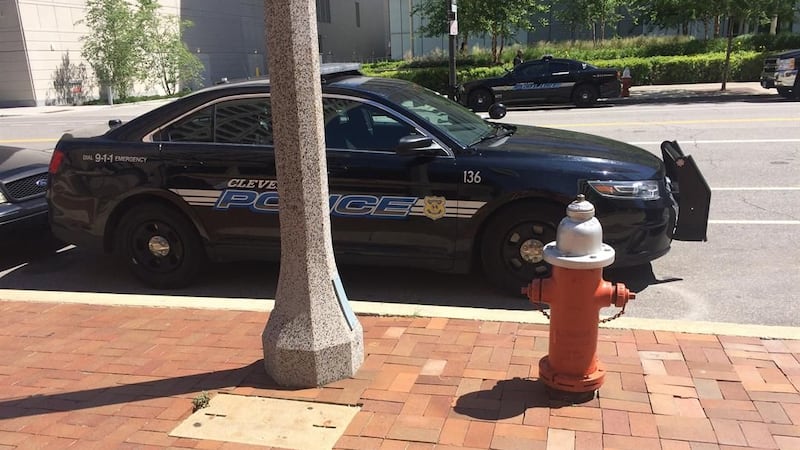
Yes, blocking a fire hydrant is illegal in most regions of the United States. Fire safety regulations require hydrants to remain fully accessible at all times so firefighters can respond without delay.
In general:
Drivers must park at least 15 feet (4.5 meters) away from a fire hydrant
Some cities enforce stricter visibility and clearance rules
Curbs near hydrants are often painted red to indicate no-parking zones
Even if there are no visible markings, the legal distance rule still applies.
Why Fire Hydrant Access Is So Important
Fire hydrants are directly connected to municipal water systems and provide high-pressure water flow during emergencies. When a fire breaks out, firefighters depend on hydrants to:
Supply water to fire hoses
Support sprinkler and suppression systems
Maintain continuous firefighting operations
According to guidelines from the National Fire Protection Association, hydrants must be clearly visible, unobstructed, and regularly maintained to ensure reliability.
Blocking a hydrant-even for a short time-can compromise the entire firefighting effort.
What Happens If You Block a Fire Hydrant?
1. You Will Likely Receive a Fine
Parking too close to a hydrant typically results in a traffic violation. Depending on the city, fines may range from:
$50 to $250 or more
Higher penalties in high-density urban areas
Increased fines for repeat offenses
While the fine may seem manageable, it's often just the beginning of the cost.
2. Your Vehicle May Be Towed
Authorities can tow vehicles that block fire hydrants without prior notice. This can lead to:
Towing charges
Daily storage fees
Time lost retrieving your vehicle
In many cases, the total cost far exceeds the original fine.
3. Firefighters May Damage Your Car
One of the most serious consequences is that firefighters are legally allowed to damage your vehicle if it blocks access during an emergency.
If a fire occurs and your car is in the way, firefighters may:
Break windows to pass hoses through the vehicle
Run hoses over or under the car
Force entry or reposition parts of the vehicle
These actions are permitted because emergency response takes priority over personal property. In most cases, you will be responsible for the damage.
4. You Could Be Liable for Additional Damages
If blocking a hydrant delays firefighting efforts and causes greater property damage or risk to lives, you may face:
Civil liability claims
Increased insurance complications
Legal consequences depending on the severity
Although rare, this highlights how serious the situation can become.
Real-Life Fire Emergency Scenario

Imagine a fire breaking out in a residential or industrial building. Firefighters arrive quickly but find the nearest hydrant blocked by a parked car.
Instead of immediately connecting hoses, they must:
Locate an alternative hydrant
Lay additional hose lines
Lose critical minutes during fire escalation
In fire emergencies, even a delay of a few minutes can significantly increase damage and danger. Blocking a hydrant directly interferes with response efficiency.
Common Misconceptions About Blocking Hydrants
"I'm only stopping for a minute"
Even a short stop is considered a violation and can create a serious obstruction.
"I stayed inside the car"
In many areas, this does not exempt you from fines or liability.
"There was no sign"
Hydrant clearance rules apply regardless of signage.
How Far Should You Park from a Fire Hydrant?
The standard rule across most of the United States is:
Minimum 15 feet distance
To stay safe:
Leave extra space when possible
Avoid tight parking near hydrants
Check curb colors and local regulations
How Cities Enforce Fire Hydrant Laws
Local authorities take hydrant access seriously. Enforcement methods include:
Parking patrol officers issuing tickets
Surveillance in high-traffic areas
Immediate towing in busy zones
In large cities, enforcement is often stricter due to higher fire risks and population density.
The Role of Fire Hydrants in Fire Protection Systems
Fire hydrants are not standalone equipment-they are part of a larger fire protection network that includes:
Underground piping systems
Fire pumps
Sprinkler systems
Valves and monitoring equipment
Proper hydrant placement and accessibility are essential for ensuring the entire system functions effectively during emergencies.
Safety Tips to Avoid Violations
To prevent fines and ensure public safety:
Always maintain at least 15 feet distance
Never block or partially obstruct a hydrant
Be cautious when parking in unfamiliar areas
Look for painted curbs or markings
When unsure, choose another parking spot
Conclusion
Blocking a fire hydrant is not just a minor parking mistake-it can lead to fines, towing, vehicle damage, and serious safety risks. More importantly, it can delay emergency response when every second matters.
By keeping fire hydrants clear and accessible, you help ensure firefighters can act quickly and effectively, protecting lives and property.
CA-FIRE Fire Protection Co., Ltd
🌐 Website: www.cafire-119.com
📧 Email: miki@ca-fire.com
📱 WhatsApp: +86 18160950625
CA-FIRE provides reliable fire hydrants and complete fire protection solutions for global markets. Contact us for product details, technical support, and project cooperation.