
What Is a Landing Valve in Fire Fighting? Complete Guide for Fire Protection Systems
Leave a message
Introduction
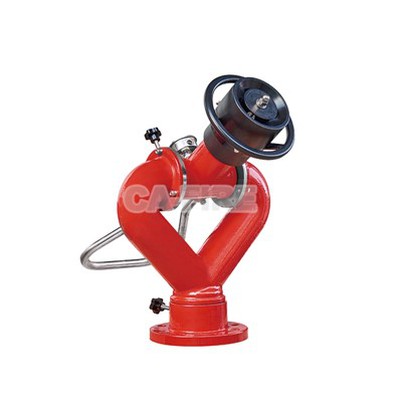
A landing valve is an important component of a fire fighting system, designed to provide a controlled water supply connection for firefighters during emergency response.
It is commonly installed inside fire hose cabinets, fire hydrant systems, and building fire protection networks, allowing firefighters to connect fire hoses and quickly access pressurized water during a fire.
Landing valves are widely used in:
High-rise buildings
Commercial complexes
Industrial facilities
Warehouses
Hospitals
Airports
Public infrastructure


How Does a Fire Fighting Landing Valve Work?
A landing valve works as a manual control point between the fire water pipeline and the fire hose.
During a fire emergency:
Firefighters open the landing valve.
The valve allows pressurized water from the fire protection pipeline to flow.
A fire hose is connected to the outlet.
Water is discharged through the nozzle for fire suppression.
The valve provides firefighters with a reliable and immediate water source without requiring additional pumping equipment at the fire location.
Main Components of a Landing Valve
A typical fire fighting landing valve consists of:
1. Valve Body
The valve body is usually manufactured from:
Brass
Gunmetal
Stainless steel
Ductile iron
It provides durability and corrosion resistance.
2. Hand Wheel
The hand wheel allows firefighters to manually open or close the valve quickly.
3. Outlet Connection
The outlet connects with fire hoses through different standards, such as:
BS336
NST
Storz
Other regional connections
4. Valve Disc and Stem
These internal parts control water flow and ensure reliable operation.
Types of Fire Fighting Landing Valves
1. Single Outlet Landing Valve
A single outlet design provides one hose connection point.
Common applications:
Commercial buildings
Residential buildings
Small industrial facilities
2. Double Outlet Landing Valve
A double outlet landing valve provides two hose connections, allowing firefighters to use multiple hoses simultaneously.
Applications:
High-rise buildings
Large industrial projects
Complex fire protection systems
3. Angle Type Landing Valve
The inlet and outlet are positioned at an angle, making installation easier in fire hose cabinets.
4. Straight Type Landing Valve
The inlet and outlet are aligned in a straight configuration, commonly used in hydrant systems.
Landing Valve vs Fire Hydrant: What Is the Difference?
Many people confuse landing valves with fire hydrants.
| Item | Landing Valve | Fire Hydrant |
|---|---|---|
| Installation | Inside buildings | Outdoor areas |
| Main User | Firefighters | Fire trucks & firefighters |
| Connection | Fire hose | Fire hose or fire truck |
| Application | Building fire protection | Outdoor water supply |
| Space Requirement | Compact | Larger installation area |
A landing valve is usually part of an indoor fire hydrant system, while a fire hydrant provides an external water supply point.
Where Are Landing Valves Used?
High-Rise Buildings
Landing valves are installed on different floors to provide firefighters with quick access to water.
Industrial Facilities
Factories and warehouses use landing valves as part of their fire hose systems.
Commercial Buildings
Shopping malls, offices, and hotels commonly install landing valves for emergency fire response.
Transportation Facilities
Airports, tunnels, and stations often require reliable fire hose connections.
Standards for Fire Fighting Landing Valves
Depending on the market, landing valves may comply with:
BS 5041
BS 336
EN standards
Local fire protection regulations
For international projects, selecting valves with suitable standards and certifications helps ensure compatibility and approval.
How to Choose a Reliable Landing Valve?
When selecting a landing valve, consider:
1. Material Quality
Choose corrosion-resistant materials suitable for long-term operation.
2. Working Pressure
Common pressure ratings include:
1.6 MPa
2.5 MPa
3. Connection Standard
Ensure the outlet connection matches local fire hose requirements.
4. Application Environment
Consider:
Indoor or outdoor installation
Climate conditions
Fire system design requirements
Conclusion
A landing valve in fire fighting systems is a critical device that provides firefighters with a fast and reliable water supply during emergencies.
By connecting directly to fire hoses, landing valves help improve fire response efficiency in high-rise buildings, industrial facilities, and commercial projects.
Choosing a high-quality landing valve with proper materials, pressure ratings, and connection standards ensures reliable performance throughout the life of the fire protection system.