

Understanding Fire Hydrant Systems: Types and Installation Standards
Leave a message
What Is a Fire Hydrant System?
A fire hydrant system is a fixed water-based firefighting infrastructure consisting of a network of pressurized pipes, valves, and hydrant outlets designed to deliver high-volume water flow for fire suppression. Unlike portable extinguishers, hydrant systems provide a continuous water supply capable of sustaining firefighting operations for extended periods. They serve as the primary water source for municipal fire departments and in-house emergency response teams.
The system operates by connecting fire hoses to hydrant outlets, allowing firefighters to direct pressurized water onto fires or supply water to fire engines. Properly designed hydrant systems ensure that adequate flow and pressure are available at every outlet, even during peak demand scenarios.
Types of Fire Hydrant Systems
Fire hydrants are classified primarily by installation type and applicable standard. Understanding these classifications is essential for specifying the right hydrant for each project environment.
1. Above-Ground (Pillar) Fire Hydrants
Above-ground hydrants protrude visibly above the surface and are the most common type in industrial, municipal, and export markets.
Key Characteristics:
Immediate visibility - Fire crews can locate and connect hoses without additional equipment
Direct hose connection - No standpipe adaptor required, reducing response time
Easy inspection and maintenance - All components are accessible above ground
Vulnerable to vehicle impact - Requires clearance zones in traffic areas
Common Standards:
GB Standard (Chinese National Standard): DN100–DN300, 1.6 MPa working pressure, widely used in Asia and international projects
Russian GOST Standard: DN100/DN150, 1.0 MPa, for Russia, CIS, and Eastern Europe
French NF Standard: DN100, 1.6 MPa, for France and Francophone Africa
BS750 (UK Standard): 2½″ instantaneous coupling, for UK, Australia, and Commonwealth countries
Above-ground hydrants are the standard choice for industrial plants, refinery perimeters, residential road networks, and rural areas where visibility and rapid access are priorities.
2. Underground (Below-Ground) Fire Hydrants
Underground hydrants are installed flush with the ground surface, with only a surface box or marker post visible.
Key Characteristics:
No traffic obstruction - Safe in vehicle traffic areas, roads, car parks, and airport aprons
Frost protection available - Special variants with auto-drain mechanisms prevent freezing in sub-zero climates
Requires standpipe adaptor - Fire crews must insert a standpipe to access the outlet, adding to response time
Higher maintenance effort - Internal components require excavation for inspection
Underground hydrants are preferred in urban roads, pedestrian areas, cold climate cities, and any location where above-ground protrusion would create a hazard or obstruction.
3. Foam Fire Hydrants
Designed for petrochemical plants, oil storage terminals, and aircraft hangars, foam hydrants deliver both water and foam concentrate through dual outlets.
Key Characteristics:
Dual water/foam capability - Supports first-response foam suppression for flammable liquid fires
Anti-impact design - Reinforced body withstands vehicle collisions in congested process areas
Pressure-regulating options - Stabilizes outlet pressure for consistent foam proportioning
4. Indoor Fire Hydrants
Wall-mounted valves installed inside fire hydrant cabinets within buildings, typically connected to wet riser systems.
Key Characteristics:
GB 3445-2018 compliant - Straight, swivel, pressure-reducing, and stainless steel variants
Integrated with hose reels - Complete cabinet assembly for high-rise buildings, hotels, and malls
Pressure-reducing grades - SNJ, SNW, SNZW models for varying inlet pressure conditions
Critical System Components
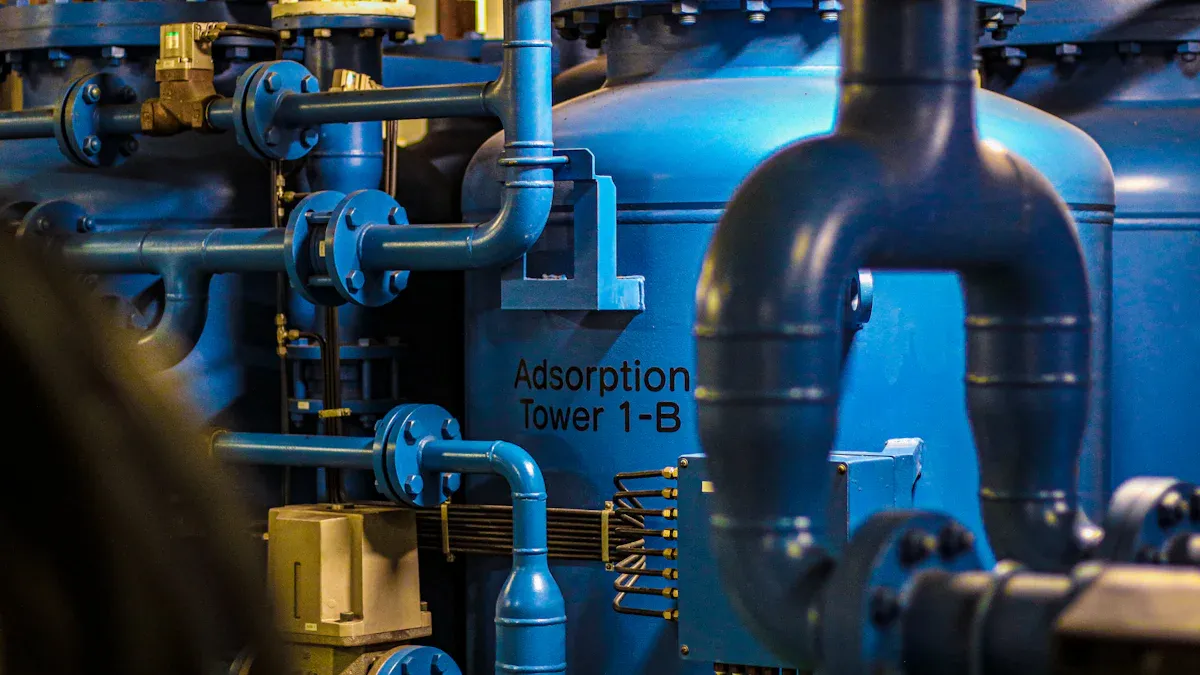
A complete fire hydrant system comprises several interconnected components, each playing a vital role in system performance:
| Component | Function |
|---|---|
| Hydrant Valve / Landing Valve | Controls water discharge at each outlet point |
| Fire Hose & Nozzle | Delivers water from hydrant to fire location |
| Hose Reel | Stores and deploys hose quickly in indoor systems |
| Piping Network | Distributes water from the main supply to all hydrant points |
| Fire Pump & Jockey Pump | Maintains system pressure and delivers required flow during emergencies |
| Breeching Inlet | Allows fire engines to supplement water supply into the system |
| Water Storage Tank | Provides reserve capacity when municipal supply is insufficient |
| Control & Isolating Valves | Enable sectional isolation for maintenance without shutting down the entire system |
International Standards and Compliance
Fire hydrant systems must comply with recognized standards to ensure safety, reliability, and insurance eligibility. The following standards govern design, installation, and maintenance:
NFPA Standards (North America & International Reference)
NFPA 24 - Standard for the Installation of Private Fire Service Mains and Their Appurtenances: Governs hydrant spacing, water main sizing, and installation depth
NFPA 14 - Standard for the Installation of Standpipe and Hose Systems: Covers indoor hydrant (standpipe) systems in multi-story buildings
NFPA 25 - Standard for the Inspection, Testing, and Maintenance of Water-Based Fire Protection Systems: Defines routine maintenance schedules and testing procedures
NFPA 291 - Recommended Practice for Fire Flow Testing and Marking of Hydrants: Establishes flow testing methods and the color-coding system for hydrant classification
NFPA 291 Hydrant Color Coding
The color of a hydrant's bonnet and caps indicates its available flow capacity at 20 psi residual pressure, allowing incident commanders to instantly assess water supply capability:
| Class | Color | Flow Capacity (GPM) | Flow Capacity (L/min) |
|---|---|---|---|
| Class AA | Light Blue | ≥ 1,500 | ≥ 5,680 |
| Class A | Green | 1,000 – 1,499 | 3,785 – 5,675 |
| Class B | Orange | 500 – 999 | 1,900 – 3,780 |
| Class C | Red | < 500 | < 1,900 |
Other International Standards
GB 4452 (China) - Outdoor fire hydrant standard for above-ground and underground types
BS750 (UK) - British Standard for above-ground hydrants with instantaneous couplings
GOST (Russia) - Russian standard for municipal fire hydrants
NF (France) - French national standard for fire hydrants
AWWA C502 - American Water Works Association standard for dry-barrel hydrant manufacturing
IS 13039 (India) - Requirements for installation and maintenance of hydrant systems
Installation Requirements and Best Practices
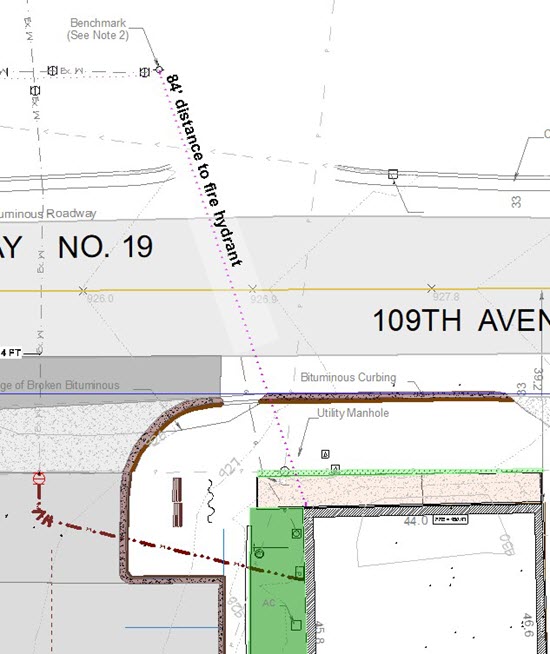
Proper installation ensures that hydrant systems perform as designed during emergencies. Key requirements include:
Hydrant Spacing
Municipal/Industrial: Typically 70–120 meters between hydrants, depending on local standard and hose lay distance
FM Global requirements: 250–300 feet (76–91 meters) spacing to ensure two hose streams can reach any point of a building footprint
Pressure Requirements
Minimum residual pressure: 0.7–1.0 bar (10–15 psi) at the most remote hydrant during full flow
NFPA 24 requirement: Residual pressure must remain above 20 psi (1.4 bar) during maximum discharge to prevent main collapse and contamination
Location and Clearance
Above-ground hydrants: Centerline positioned 0.5–1.0 meter from the kerb; minimum 0.5 meter clearance from walls or obstructions
Underground hydrants: Surface box set to finished ground level; clearly marked with hydrant sign or marker post
Accessibility: Hydrants must remain unobstructed by vegetation, parked vehicles, or stored materials at all times
Piping and Connection
Minimum main size: Typically DN100 for a single hydrant; larger mains required for multiple hydrants or high-flow demands
Ring main configuration: Preferred over dead-end layouts to ensure water supply redundancy
Thrust blocks: Concrete thrust blocks or restrained joints required at hydrant base connections to prevent separation during water hammer
Cold Climate Considerations
Dry-barrel hydrants: Used in freezing climates; water drains from the barrel after each use
Frost-protected underground hydrants: Feature enhanced auto-drain mechanisms and air-vent systems for accelerated drainage
Drainage bed: Minimum 1/3 cubic yard of clean, 1-inch crushed stone at the base of dry-barrel installations to ensure complete drainage
Maintenance and Inspection
Regular maintenance is critical to ensure hydrant readiness. NFPA 25 mandates the following routine procedures:
Quarterly inspections: Visual check of hydrant condition, accessibility, and signage
Annual flow testing: Measure flow rate and residual pressure; compare to baseline values
Annual maintenance: Lubricate operating nuts, inspect valves and outlets, check for leaks
Five-year internal inspection: Examine internal components for corrosion, tuberculation, or damage
Post-operation drainage: Ensure dry-barrel and underground hydrants fully drain after each use to prevent freeze damage
Selecting the Right Fire Hydrant for Your Project
The optimal hydrant specification depends on several factors:
| Factor | Recommendation |
|---|---|
| Climate | Warm climates → Above-ground; Cold climates → Underground with frost protection |
| Traffic Environment | High vehicle traffic → Underground; Industrial yards → Above-ground with anti-impact |
| Hazard Type | Petrochemical/oil → Foam hydrant; General building → Standard water hydrant |
| Authority Jurisdiction | Specify to local standard (GOST, BS750, NF, GB) |
| Response Time Priority | Direct access needed → Above-ground; Aesthetic/concealment priority → Underground |
Conclusion
Fire hydrant systems are indispensable life-safety infrastructure. The selection between above-ground and underground types, compliance with applicable NFPA or national standards, and adherence to proper installation and maintenance protocols all contribute to system reliability when emergencies occur. By understanding these fundamentals, facility managers, engineers, and fire protection professionals can specify and maintain hydrant systems that deliver effective firefighting capability for decades.


