

Common Fire Hose Maintenance Mistakes: A Complete Guide for Fire Protection Safety
Leave a message
Fire hoses are among the most essential components in modern fire protection systems. Whether installed in industrial facilities, commercial buildings, warehouses, marine environments, or municipal firefighting systems, fire hoses must remain in reliable operating condition at all times. Improper maintenance can lead to pressure loss, leakage, hose failure, or even complete system malfunction during emergencies.
Understanding the most common fire hose maintenance mistakes helps building owners, contractors, and fire protection professionals improve system reliability, extend hose service life, and comply with international fire safety standards.
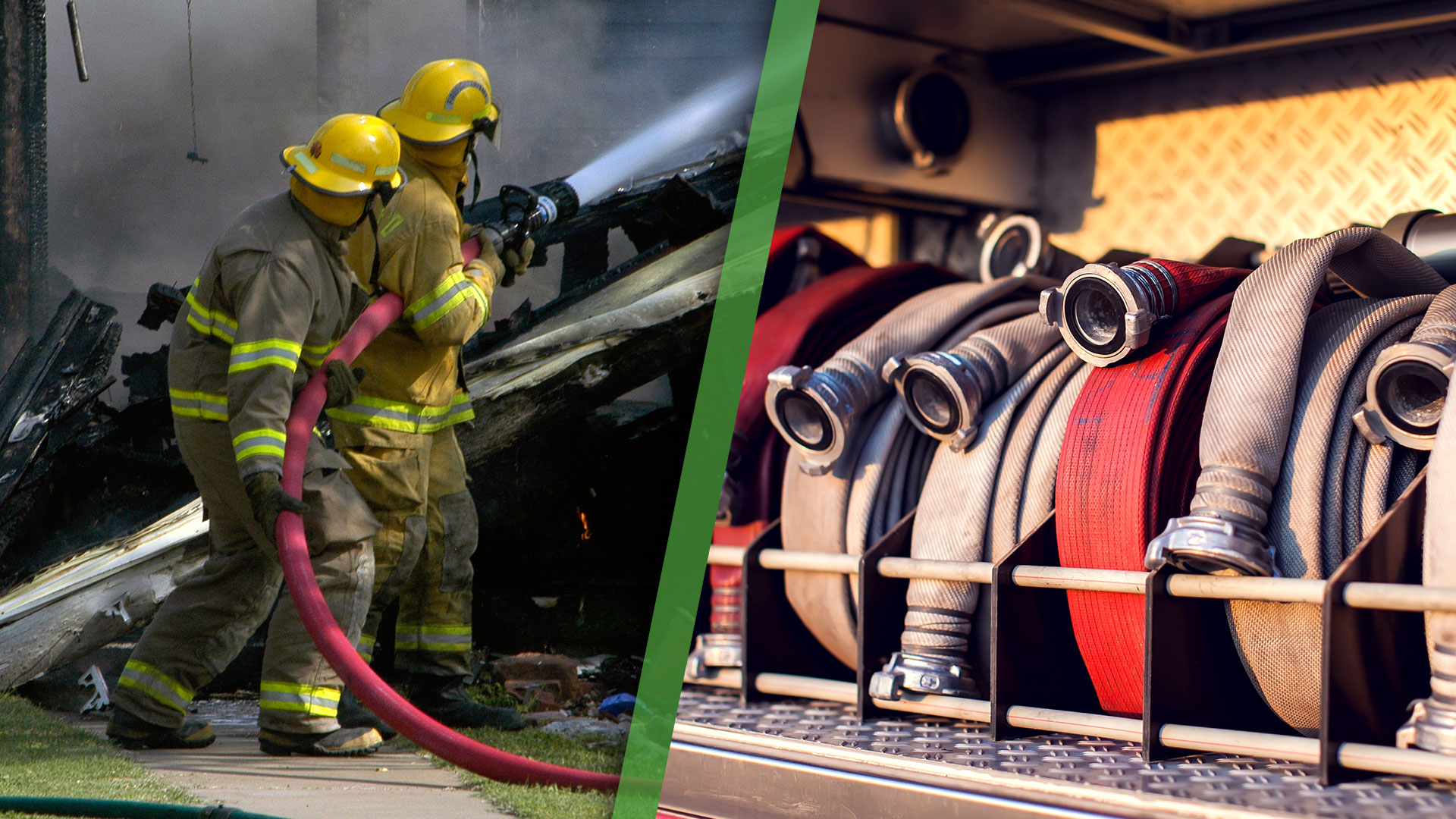
Why Fire Hose Maintenance Matters
Fire hoses are continuously exposed to environmental conditions such as moisture, UV radiation, temperature fluctuations, chemicals, abrasion, and mechanical stress. Over time, these factors can weaken the hose structure and reduce firefighting performance.
Regular maintenance helps:
Ensure reliable water delivery during emergencies
Prevent hose rupture or leakage
Extend product lifespan
Reduce replacement costs
Improve workplace fire safety
Maintain compliance with NFPA and local fire regulations
Neglecting hose maintenance can create serious operational risks and expensive liabilities.
1. Improper Hose Storage
One of the most common maintenance mistakes is storing fire hoses incorrectly.
Many facilities leave hoses exposed to direct sunlight, high humidity, chemicals, or extreme temperatures. Long-term exposure can damage hose jackets, lining materials, and couplings.
Common Storage Problems
Exposure to UV sunlight
Storing hoses while wet
Sharp bending or twisting
Heavy objects placed on hoses
Poor ventilation in storage rooms
Contact with oils or corrosive chemicals
Best Practices
Store hoses in cool and dry environments
Use hose racks or reels properly
Avoid direct sunlight exposure
Ensure hoses are fully dry before storage
Keep away from chemical contamination
Proper storage significantly increases hose durability and operational reliability.
2. Failing to Conduct Regular Inspections
Routine inspections are critical for identifying wear and damage before system failure occurs.
Unfortunately, many facilities only inspect hoses after visible problems appear.
What Should Be Inspected
Jacket abrasion
Cracks or cuts
Coupling damage
Corrosion
Mold or mildew
Leakage signs
Internal lining deterioration
Thread damage on couplings
Recommended Inspection Frequency
Inspection schedules may vary depending on regulations and operating environments, but regular visual checks and periodic pressure testing are strongly recommended.
High-risk industrial environments may require more frequent inspections.
3. Ignoring Pressure Testing Requirements
Pressure testing verifies whether fire hoses can safely withstand operating pressure during firefighting operations.
Skipping pressure tests is a serious maintenance mistake that can lead to dangerous hose bursts during emergencies.
Risks of Untested Hoses
Sudden hose rupture
Water leakage
Reduced firefighting efficiency
Injury to firefighters or operators
System downtime
Important Testing Considerations
Follow applicable NFPA or local standards
Use calibrated testing equipment
Inspect couplings before testing
Remove damaged hoses immediately
Maintain detailed test records
Pressure testing is one of the most important preventive maintenance procedures in fire protection systems.
4. Using Damaged or Worn Couplings
Fire hose couplings experience significant mechanical stress during installation and firefighting operations.
Damaged couplings often cause leakage, pressure loss, or connection failure.
Common Coupling Issues
Corrosion
Cracked threads
Loose connections
Deformed gaskets
Impact damage
Maintenance Tips
Lubricate threads when necessary
Replace worn gaskets promptly
Avoid dropping couplings
Inspect connections after every use
Reliable couplings are essential for maintaining stable water flow during emergencies.
5. Improper Cleaning Procedures
After firefighting operations or testing, hoses may contain dirt, chemicals, oil residue, or contaminated water.
Improper cleaning methods can damage hose materials.
Common Cleaning Mistakes
Using harsh chemicals
High-temperature drying
Incomplete cleaning
Storing hoses before drying
Using abrasive tools
Recommended Cleaning Practices
Use clean water and mild detergents
Air dry hoses naturally
Remove debris carefully
Inspect hoses during cleaning
Proper cleaning helps prevent internal deterioration and mold growth.
6. Poor Drying Practices
Moisture trapped inside hoses can lead to mildew, internal damage, and jacket weakening.
Many facilities roll and store hoses immediately after use without sufficient drying time.
Consequences of Wet Storage
Mold formation
Internal liner degradation
Unpleasant odors
Corrosion near couplings
Reduced hose flexibility
Proper Drying Recommendations
Hang hoses vertically when possible
Ensure complete air circulation
Avoid excessive heat exposure
Inspect for remaining moisture before storage
Dry hoses maintain better structural integrity and longer service life.
7. Exceeding Recommended Pressure Limits
Every fire hose is designed for specific operating and burst pressure ratings.
Using hoses beyond recommended limits accelerates wear and increases failure risk.
Possible Problems
Jacket separation
Coupling detachment
Internal lining rupture
Sudden hose burst
Operators should always verify pressure ratings before system operation.
8. Lack of Maintenance Documentation
Many facilities fail to maintain proper maintenance records.
Without documentation, it becomes difficult to track inspection history, testing schedules, repairs, and replacement cycles.
Important Records to Maintain
Inspection dates
Pressure test results
Repair history
Hose replacement records
Damage reports
Well-organized maintenance records improve compliance and operational management.
9. Delaying Hose Replacement
Even with proper maintenance, fire hoses eventually reach the end of their service life.
Some organizations continue using damaged or aging hoses to reduce short-term costs, which significantly increases safety risks.
Signs a Hose Should Be Replaced
Frequent leakage
Severe abrasion
Coupling failure
Internal liner damage
Failed pressure tests
Visible cracking
Timely replacement ensures system reliability during critical emergencies.
10. Lack of Personnel Training
Improper handling by untrained personnel is another major cause of fire hose damage.
Employees should understand proper:
Hose deployment
Rolling techniques
Cleaning procedures
Inspection methods
Storage requirements
Pressure testing safety
Regular training improves both safety and equipment longevity.
International Standards for Fire Hose Maintenance
Several international standards provide guidance for fire hose inspection and maintenance, including:
NFPA standards
EN standards
BS standards
ISO fire protection guidelines
Following recognized standards helps improve system safety and compliance across different industries.
Choosing High-Quality Fire Hoses
In addition to proper maintenance, selecting reliable fire hose products is equally important.
High-quality hoses typically offer:
Better abrasion resistance
Improved pressure performance
Longer service life
Enhanced flexibility
Corrosion-resistant couplings
Reliable performance under harsh conditions
Certified products help reduce maintenance problems and long-term operating costs.
Conclusion
Fire hose maintenance plays a critical role in ensuring effective firefighting performance and overall fire protection safety. Common mistakes such as improper storage, skipped inspections, poor cleaning practices, and delayed replacement can significantly reduce hose reliability.
By implementing proper inspection schedules, pressure testing programs, storage practices, and personnel training, facilities can extend hose lifespan, reduce safety risks, and maintain dependable fire protection readiness.
Investing in preventive maintenance is far more cost-effective than dealing with system failures during emergencies.
Contact CA-FIRE
CA-FIRE specializes in high-quality fire protection products including fire sprinklers, valves, hydrants, foam systems, and complete firefighting solutions for global markets.
🌐 Website: https://www.cafire-119.com/
📧 Email: miki@ca-fire.com
📱 WhatsApp: +86 18160950625


