

Butterfly Valve Maintenance Tips to Extend Service Life
Leave a message
Introduction
Butterfly valves are widely used in water supply systems, industrial pipelines, and fire protection systems due to their simple structure, lightweight design, and quick shut-off capability. However, without proper maintenance, butterfly valves may suffer from leakage, corrosion, or operational failure. Regular maintenance not only extends the valve's service life but also ensures stable performance in critical systems.
This guide explains practical butterfly valve maintenance tips and highlights key inspection points to keep valves operating efficiently.
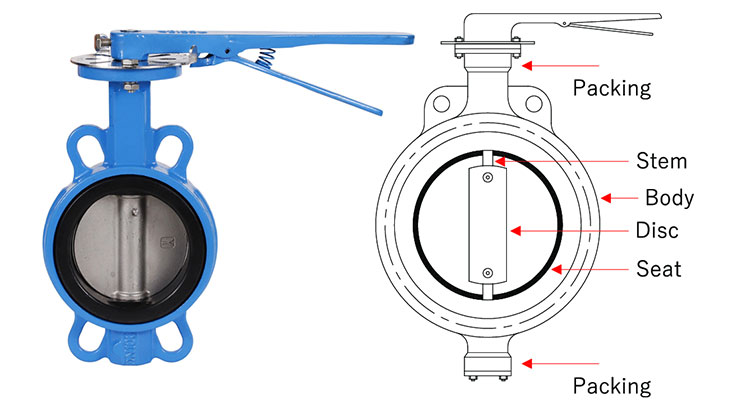
Why Butterfly Valve Maintenance Is Important
Butterfly valves control the flow of water or other fluids in pipeline systems. In applications such as fire protection pipelines, reliable valve performance is essential for emergency situations.
Proper maintenance can help:
Prevent valve leakage and sealing failure
Reduce operational resistance
Extend the lifespan of valve components
Avoid unexpected system downtime
Routine inspections also help detect early signs of wear before they lead to major failures.
Key Butterfly Valve Maintenance Tips
Regularly Inspect the Valve Body and Disc
Routine visual inspection is one of the simplest ways to maintain a butterfly valve. Check the valve body, disc, and stem for signs of:
Corrosion
Cracks or deformation
Debris accumulation
If dirt or scale is found inside the valve, cleaning the internal components can restore proper operation.
Keep the Valve Seat in Good Condition
The valve seat plays a critical role in sealing performance. Over time, the seat may become worn or damaged due to pressure fluctuations or continuous operation.
Maintenance tips include:
Checking the seat for wear or deformation
Replacing the seat if leakage occurs
Ensuring proper alignment between the disc and seat
A properly maintained seat ensures the valve can fully close and prevent fluid leakage.
Lubricate the Valve Stem and Moving Parts
Lack of lubrication may cause the valve to become difficult to operate. Applying suitable lubricant to the valve stem and moving components helps reduce friction and prevents mechanical wear.
This is especially important for manual butterfly valves with handles or gear operators that are frequently opened and closed.
Operate the Valve Periodically
Butterfly valves that remain unused for long periods may develop stiffness or internal corrosion. Periodically opening and closing the valve helps maintain smooth movement and prevents deposits from building up inside the valve body.
Routine operation also helps verify that the valve functions properly when needed.


Common Butterfly Valve Problems and Solutions
Even with regular maintenance, butterfly valves may experience certain operational issues.
Leakage Around the Valve
Leakage is usually caused by worn valve seats or debris trapped between the disc and seat. Cleaning the valve or replacing the seat often resolves the problem.
Difficult Valve Operation
Hard operation may result from corrosion or lack of lubrication. Applying lubricant and cleaning the valve components can improve operation.
For a detailed troubleshooting guide, you can read:
How to Repair a Butterfly Valve
This article explains step-by-step repair methods and common causes of butterfly valve failure.
Butterfly Valves Used in Fire Protection Systems
Butterfly valves are widely used in fire protection pipeline systems to control water flow and isolate sections of piping during maintenance. Their quarter-turn operation allows for quick opening or closing, making them suitable for emergency situations.
High-quality fire protection butterfly valves are typically made from durable materials such as ductile iron or stainless steel and are designed to provide reliable sealing performance under high pressure conditions. These valves are commonly installed in sprinkler systems, fire pump lines, and hydrant networks to ensure stable system operation.
If you are looking for reliable fire protection valves, you can explore our Fire Butterfly Valve solutions, which are designed specifically for fire protection pipeline systems and meet industry performance requirements.
Butterfly Valves Working with Fire Sprinkler Systems
In modern fire protection systems, butterfly valves are often installed together with fire sprinkler systems to regulate water flow and isolate different pipeline sections. During maintenance or system testing, butterfly valves allow technicians to control water supply without affecting the entire network.
Reliable valves and high-quality sprinkler heads work together to ensure that water can be delivered quickly and effectively in the event of a fire. For more information about sprinkler products used in fire protection systems, you can also learn about our Fire Sprinkler Head solutions designed for commercial and industrial fire protection applications.
Conclusion
Proper butterfly valve maintenance is essential to ensure reliable operation and extend the service life of pipeline systems. Regular inspection, lubrication, cleaning, and seat maintenance can significantly reduce the risk of valve failure.
In critical applications such as fire protection systems, well-maintained butterfly valves help ensure stable water flow and system readiness during emergencies.


