

Automatic Sprinklers & Open Nozzles: What Is the Difference in Fire Protection Systems?
Leave a message
Introduction
In fire protection systems, automatic sprinklers and open nozzles are two common water discharge devices. Although they may look similar, they work in completely different ways and are designed for different fire hazards.
Automatic sprinklers are mainly used for building fire protection, where individual sprinkler heads activate automatically when exposed to heat. Open nozzles are commonly used in deluge systems and fixed water spray systems, where all nozzles discharge simultaneously after system activation.
Understanding the difference helps engineers select the right fire suppression solution for commercial buildings, industrial facilities, and high-risk areas.
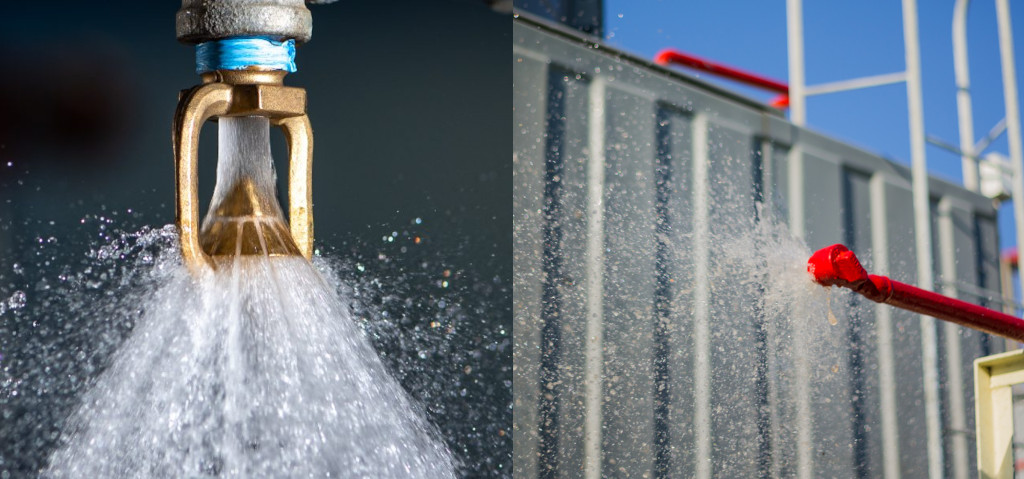
1. What Is an Automatic Fire Sprinkler?
An automatic fire sprinkler is a temperature-activated fire protection device designed to detect and control fires automatically.
Each sprinkler head is equipped with a heat-sensitive element, such as a glass bulb or fusible link. Under normal conditions, the sprinkler remains closed and the piping system stays pressurized. When the surrounding temperature reaches the rated activation temperature, the heat-sensitive element operates, allowing water to discharge.
Main Features of Automatic Sprinklers:
Individual activation based on heat detection
Closed sprinkler orifice during standby
Fast response to localized fires
Designed for fire control or suppression
Commonly installed in buildings and storage areas
Typical Applications:
Office buildings
Hotels
Shopping malls
Warehouses
Residential buildings
Industrial facilities
Common types include:
Upright sprinklers
Pendent sprinklers
Sidewall sprinklers
Concealed sprinklers
ESFR sprinklers
2. What Are Open Nozzles?
Open nozzles are water discharge devices without a thermal activation element. Unlike automatic sprinklers, they remain permanently open.
They are usually installed in deluge systems or fixed water spray systems. When a fire detection system activates the deluge valve, water flows through the piping network and discharges from all connected open nozzles at the same time.
Main Features of Open Nozzles:
No glass bulb or fusible element
Always open during standby
Simultaneous water discharge
Designed for large-area or high-risk protection
Can provide directional spray patterns
Typical Applications:
Oil and gas facilities
Chemical plants
Power stations
Aircraft hangars
Transformer protection
Fuel storage areas
3. Key Differences Between Automatic Sprinklers and Open Nozzles
| Item | Automatic Sprinkler | Open Nozzle |
|---|---|---|
| Activation Method | Heat activated | External detection system |
| Orifice Status | Closed before operation | Always open |
| Discharge Mode | Individual sprinkler activation | All nozzles discharge together |
| Main System | Wet pipe, dry pipe, pre-action | Deluge or water spray system |
| Fire Risk | General building protection | High-hazard applications |
| Spray Pattern | Standard sprinkler pattern | Customized spray direction |
4. How Do They Work in Different Fire Protection Systems?
Automatic Sprinkler System
In a conventional sprinkler system, only sprinklers exposed to sufficient heat activate. This allows water to be applied directly to the fire area while reducing unnecessary water discharge.
For example, in a warehouse fire, only the sprinklers near the fire source may open, helping control fire growth while limiting water damage.
Deluge System with Open Nozzles
A deluge system uses open nozzles connected to a common water supply. Once the detection system triggers the deluge valve, the entire protected area receives water discharge immediately.
This design is suitable for hazards where fire can spread rapidly and requires immediate large-volume water application.
5. How to Choose Between Sprinklers and Open Nozzles?
The selection depends on the fire hazard, protection objective, and application environment.
Choose Automatic Sprinklers When:
✔ Protecting occupied buildings
✔ Fire development is relatively predictable
✔ Localized fire control is required
✔ Water damage needs to be minimized
Choose Open Nozzles When:
✔ Protecting high-risk industrial equipment
✔ Rapid fire spread is possible
✔ Large-area simultaneous cooling is required
✔ Special hazards require directional water spray
Conclusion
Automatic sprinklers and open nozzles both play important roles in modern fire protection systems, but they serve different purposes.
Automatic sprinklers provide reliable building fire protection through heat-activated individual operation, while open nozzles deliver rapid and comprehensive water coverage for high-hazard industrial applications.
Selecting the correct device based on fire risk analysis is essential for achieving effective fire suppression performance.
CA-FIRE provides a wide range of fire protection products, including automatic fire sprinklers, deluge system components, water spray nozzles, and industrial fire protection equipment for global markets.


