


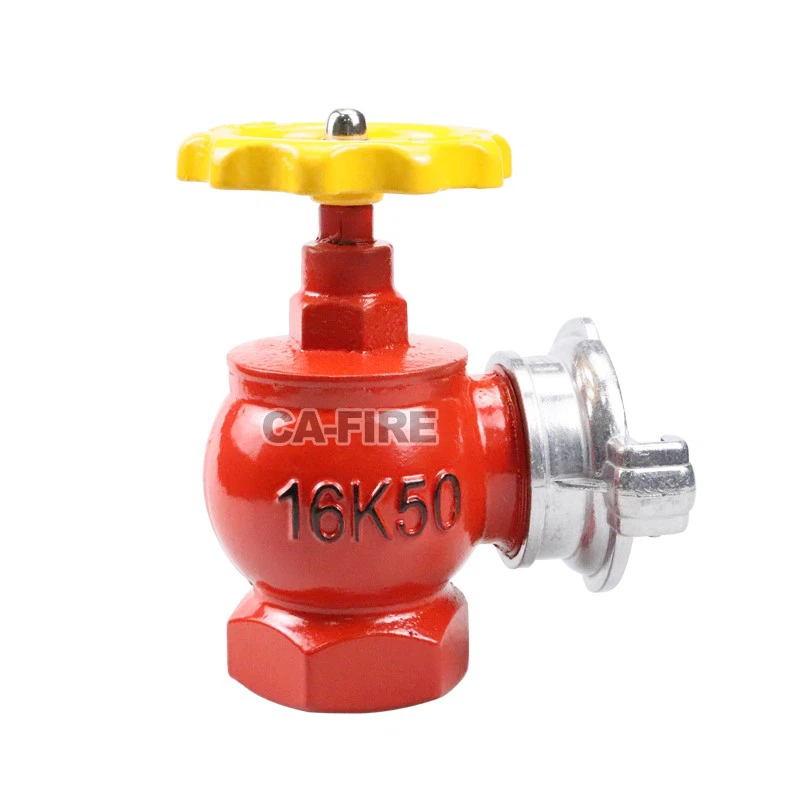


Selecting the right indoor fire hydrant is essential for ensuring the reliability and efficiency of a building's fire protection system. Several factors should be considered when choosing the appropriate hydrant valve for a project.
Pipe Size Compatibility
The hydrant size should match the fire pipeline system. The most common sizes are DN50 and DN65, which are widely used in indoor fire protection systems and compatible with standard fire hoses.
Material Selection
The valve body material affects durability and corrosion resistance. Brass hydrants are commonly used because they offer excellent strength and reliable performance, especially in cold or humid environments.
Pressure Rating
The hydrant should meet the required working pressure of the fire protection system. In many buildings and industrial facilities, PN16 (1.6 MPa) hydrants are commonly used to ensure stable water flow during firefighting operations.
Connection Type
Indoor fire hydrants may use threaded or flanged connections, depending on the pipeline design and installation requirements. Choosing the correct connection type ensures easier installation and secure sealing.
By considering these factors, engineers and contractors can select indoor fire hydrants that ensure safe operation, system compatibility, and reliable fire protection performance.


