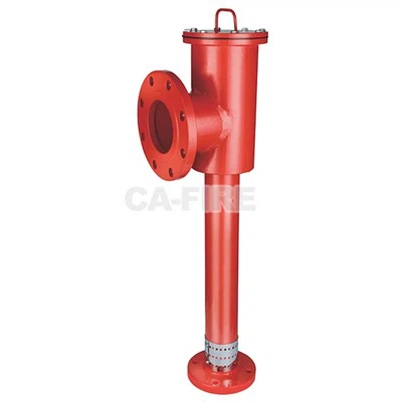

What are the regulations regarding the visibility of Type Fire Hydrants?
Leave a message

Hey there! As a supplier of Type Fire Hydrants, I get a lot of questions about the regulations regarding their visibility. It's a super important topic, and I'm here to break it down for you.
Let's start with why visibility of fire hydrants matters. In case of a fire emergency, firefighters need to quickly locate and access fire hydrants. If they're hidden or hard to find, it can significantly delay the firefighting process, putting lives and property at risk. So, regulatory bodies around the world have set up rules to ensure that fire hydrants are visible at all times.
General Visibility Regulations
Most local fire codes require that fire hydrants be clearly marked and unobstructed. This means that nothing should be blocking the hydrant, like cars, debris, or foliage. For example, in many municipalities, it's illegal to park within a certain distance of a fire hydrant, usually around 15 feet (about 4.5 meters). This creates a clear path for firefighters to reach the hydrant without any hindrances.
Another common requirement is that fire hydrants be painted in a bright, reflective color. Red is the most common color used, as it stands out and is easily recognizable, especially at night or in low - light conditions. But some areas may use other high - visibility colors, depending on their specific needs and preferences.
Specific Requirements for Different Types of Fire Hydrants
2 - Way Hydrant Pillars
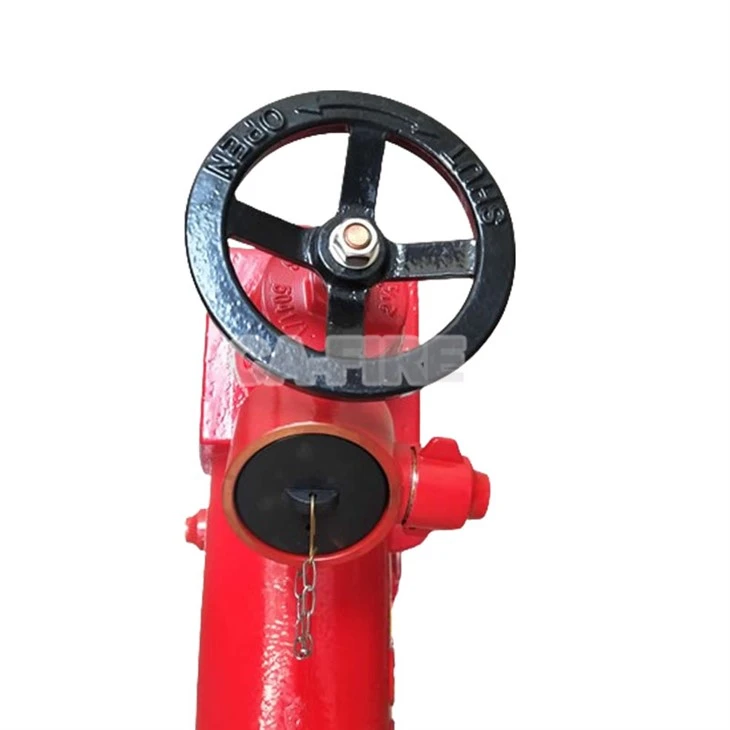
Our Hydrant Pillar 2 Way is a popular choice in many fire protection systems. From a visibility perspective, these hydrants need to be mounted in such a way that they are easily accessible from the ground. They should be installed at a reasonable height, typically around 30 - 36 inches (76 - 91 cm) above the ground level. This allows for quick identification and easy connection of hoses.
In addition to the height, they also need to be clearly labeled. The two outlets should be marked with appropriate signage to indicate their purpose and the type of connection they can accommodate. This helps firefighters make the right choices when using the hydrant during an emergency.
Outdoor Cast Iron 2 Ways Fire Hydrant BS750
The Outdoor Cast Iron 2 Ways Fire Hydrant BS750 is designed to meet specific British standards. These hydrants are often installed outdoors, and their visibility is crucial. They need to be visible from multiple angles, especially on busy streets or in large industrial areas.
To ensure visibility, these hydrants are usually painted with highly reflective paint. The reflective properties help in making the hydrant stand out, even in the dark. Some may also have additional reflective markers or strips attached to them. And just like other hydrants, they must be kept free from any obstructions. This includes not only physical objects but also overgrown grass or bushes that could hide the hydrant from view.
Double Outlet Outdoor Fire Hydrant
The Double Outlet Outdoor Fire Hydrant is a great option when there is a need for multiple water sources during a fire. Visibility regulations for these hydrants are similar to the others, but with a focus on clearly differentiating between the two outlets.
The outlets should be spaced far enough apart so that firefighters can easily connect multiple hoses without any interference. And there should be clear markings on each outlet to indicate its flow rate and pressure capabilities. This information is vital for firefighters to optimize the use of the hydrant during an emergency.
Maintaining Hydrant Visibility
As a supplier, I often get asked about how to maintain the visibility of fire hydrants over time. Here are some key tips:
- Regular Inspections: Conduct regular inspections of the fire hydrants on your property. Check for any signs of damage, such as paint peeling or reflective markers becoming less effective. Also, look out for any potential obstructions that may have accumulated near the hydrant.
- Repainting: If the paint on the hydrant starts to fade or chip, it's important to repaint it. Use a high - quality, reflective paint that meets the local fire code requirements.
- Landscaping Management: If the fire hydrant is located in an area with landscaping, make sure to keep the grass, bushes, and trees trimmed. This prevents them from growing over or around the hydrant and blocking its visibility.
Regulatory Bodies and Standards
In the United States, the National Fire Protection Association (NFPA) sets many of the standards related to fire hydrants. Their codes, such as NFPA 24, provide detailed guidelines on the installation, maintenance, and visibility of fire hydrants.
In Europe, different countries may have their own standards, but the British Standards Institution (BSI) has a significant influence. The BS 750 standard, for example, is widely recognized for outdoor cast iron fire hydrants.
It's essential to be aware of the specific regulations in your area to ensure compliance. Non - compliance can result in fines, and more importantly, it can compromise the safety of your property and the surrounding community.

Why Choose Our Fire Hydrants?
At our company, we understand the importance of visibility and compliance. Our Type Fire Hydrants are designed not only to meet but often exceed the regulatory requirements. We use high - quality materials and the latest manufacturing techniques to ensure that our hydrants are durable, reliable, and highly visible.
Whether you need a Hydrant Pillar 2 Way, an Outdoor Cast Iron 2 Ways Fire Hydrant BS750, or a Double Outlet Outdoor Fire Hydrant, we've got you covered.
If you're in the market for fire hydrants, don't hesitate to reach out to us. We can help you choose the right hydrants for your specific needs and ensure that you're fully compliant with all the relevant regulations. Contact us today to start a discussion about your procurement needs!
References
- National Fire Protection Association (NFPA) 24.
- British Standards Institution (BSI) BS 750.