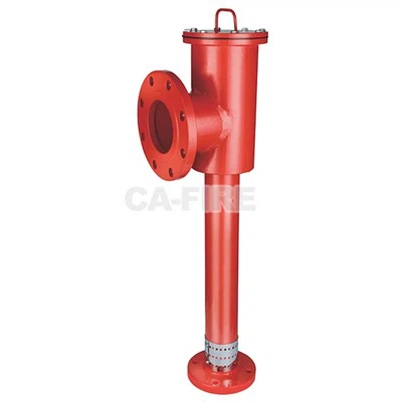

What are the communication interfaces of Deluge Valve Skids?
Leave a message

In the realm of fire protection systems, deluge valve skids stand as a critical line of defense against large - scale fires. As a reputable supplier of deluge valve skids, I am deeply engaged in not only the production but also the understanding of the intricate components and communication interfaces that make these systems function effectively. In this blog, let us unpack the various communication interfaces of deluge valve skids and understand their significance.
The Basics of Deluge Valve Skids
Before delving into the communication interfaces, it is essential to understand what a deluge valve skid is. A deluge valve skid is a fully integrated system designed to rapidly release large volumes of water or other fire - suppressants in response to a fire. It consists of a deluge valve, associated piping, control equipment, and monitoring devices. These skids are used in high - risk areas such as power plants, chemical plants, and airport hangars where a single fire event can cause significant damage.
Types of Communication Interfaces
Electrical Interfaces
Electrical interfaces are perhaps the most common in deluge valve skids. They are used to transmit signals related to the status of the valve, pressure sensors, and other critical components.
- Relay - Based Communication
Relays are simple yet effective electrical devices used in deluge valve skids. A relay can be used to send an ON/OFF signal, which can represent the open or closed state of the deluge valve. When a fire is detected and the valve is opened, a relay can send a signal to the fire control panel, indicating that the suppression system has been activated. This information is then used to trigger other fire - related actions, such as shutting down ventilation systems to prevent the spread of fire and smoke. - Analog and Digital Signals
Analog signals are used to transmit continuous data, such as the pressure within the piping system of the deluge valve skid. Pressure sensors convert the mechanical pressure into an electrical signal that can be interpreted by the control system. Digital signals, on the other hand, are used for discrete data. For example, a digital signal can represent whether a particular valve is open or closed. This type of data is crucial for accurate monitoring and control of the deluge valve skid. - PLC (Programmable Logic Controller) Interfaces
PLCs are widely used in modern deluge valve skids. They are essentially industrial computers that can be programmed to control various processes. A PLC can be connected to different sensors and actuators in the skid using electrical interfaces. For instance, it can receive signals from fire detectors, process this information, and decide whether to open the deluge valve. Moreover, a PLC can communicate with a central control room through a network interface, providing real - time data and allowing for remote control of the deluge valve skid.
Pneumatic Interfaces
Pneumatic systems play an important role in the operation of deluge valve skids, especially in providing backup control and communication.
- Pneumatic Control Signals
Pneumatic control signals are transmitted through compressed air. They are used to operate various valves and actuators in the skid. For example, a pneumatic signal can be used to open or close a pilot valve, which in turn controls the main deluge valve. Pneumatic systems are known for their reliability and can function even in the event of a power failure, making them an essential part of the communication interfaces in deluge valve skids. - Pressure - Based Communication
Pneumatic systems also utilize pressure - based communication. Changes in air pressure can be used to convey information about the status of the system. For example, a decrease in air pressure in a particular part of the pneumatic circuit can indicate a leak or a valve malfunction. Pressure gauges are used to monitor these changes, and the data can be used to trigger maintenance alerts.
Hydraulic Interfaces
Hydraulic interfaces are another key aspect of deluge valve skids, predominantly dealing with the flow of water or other fire - suppressing fluids.
- Flow and Pressure Monitoring
Hydraulic interfaces are used to monitor the flow and pressure of the fluid within the skid. Flow meters are installed in the piping system to measure the rate of fluid flow. Pressure transducers are used to measure the fluid pressure. These devices communicate with the control system to ensure that the proper amount of fluid is being delivered to the affected area during a fire event. For example, if the flow rate is too low, it may indicate a blockage in the piping, and the control system can take appropriate action. - Fluid - Powered Actuators
Some deluge valve skids use fluid - powered actuators for valve operation. These actuators are driven by the hydraulic pressure of the fluid in the system. The movement of the actuator is then used to open or close the valve. The position of the actuator can be monitored, and this information is communicated to the control system, providing feedback on the valve's status.
Importance of Communication Interfaces in Deluge Valve Skids
The communication interfaces in deluge valve skids are of utmost importance for several reasons.


- Rapid Response
Effective communication interfaces ensure that the deluge valve skid can respond rapidly to a fire event. When a fire is detected, the signals from the detectors need to be quickly transmitted to the control system, which then opens the deluge valve. Any delay in this communication process can result in the fire spreading and causing more damage. - Accurate Monitoring
The communication interfaces allow for accurate monitoring of the entire system. By receiving data from various sensors, the control system can detect any malfunctions or abnormal conditions in the skid. For example, a sudden drop in pressure can indicate a leak, and the system can alert the maintenance team immediately. - Integration with Other Systems
Deluge valve skids often need to be integrated with other fire - protection and building management systems. The communication interfaces enable this integration, allowing for a coordinated response to a fire. For example, the deluge valve skid can be integrated with the building's ventilation system to ensure that the ventilation is shut down during a fire event, preventing the spread of smoke and fire.
Related Products and Their Significance
When discussing the communication interfaces of deluge valve skids, it is also important to mention related products such as alarm valves. Alarm valves are an integral part of the fire - protection system and are closely related to the operation of deluge valve skids.
- Alarm Valve Price: Understanding the price of alarm valves is crucial for budgeting fire - protection systems. Different types of alarm valves have different prices based on their features, quality, and capacity. A proper budget for alarm valves can ensure that the overall fire - protection system, including the deluge valve skid, is cost - effective.
- Reliable Wet Alarm Valve: A reliable wet alarm valve is essential for the proper functioning of the fire - alarm system. It can accurately detect changes in water pressure and trigger an alarm in case of a fire. In a system with a deluge valve skid, a reliable wet alarm valve can provide an additional layer of protection by alerting the occupants of the building and the fire - department in a timely manner.
- Wet Alarm Valve Fire Fighting Fire Alarm System: The wet alarm valve is a key component of the fire - fighting and fire - alarm system. It works in conjunction with the deluge valve skid to detect and suppress fires. By understanding how the wet alarm valve fits into the overall system, one can design a more effective fire - protection strategy.
Conclusion and Call to Action
In conclusion, the communication interfaces of deluge valve skids are complex and essential for the proper functioning of the fire - protection system. From electrical and pneumatic to hydraulic interfaces, each plays a crucial role in the monitoring, control, and rapid response of the system. The related products such as alarm valves also contribute to the overall effectiveness of the system.
If you are in the market for a high - quality deluge valve skid or looking to upgrade your existing fire - protection system, we are here to assist you. Our team of experts can provide you with in - depth information about the communication interfaces, related products, and how they can be integrated into your specific needs. Contact us for a detailed consultation and let us help you build a reliable and effective fire - protection system.
References
- NFPA 13: Standard for the Installation of Sprinkler Systems
- Pahl, G., & Beitz, W. (1996). Engineering Design: A Systematic Approach.
- Fire Protection Handbook, National Fire Protection Association.