
How does the foam fluidity influence the spread of foam in the fire area?
Leave a message

Hey there! As a supplier of Foam Chamber Model, I've been deeply involved in understanding how foam works in fire - fighting scenarios. One of the key factors that often gets overlooked but is super important is how foam fluidity affects its spread in a fire area.

Let's start by getting clear on what foam fluidity is. Foam fluidity refers to how easily the foam can flow. It's kinda like when you pour honey and water. Honey is thick and doesn't flow as easily as water, right? Similarly, foam can have different levels of fluidity. Some foams are thick and sticky, while others are more like a runny liquid.
Now, why does this matter in a fire area? Well, when a fire breaks out, time is of the essence. We need the foam to quickly cover the fire source to cut off the oxygen supply and cool down the area. If the foam has high fluidity, it can spread rapidly across the fire area. It can reach every nook and cranny, even those hard - to - reach spots. For example, in a large industrial warehouse with lots of machinery and storage racks, a highly fluid foam can flow under and around these obstacles, ensuring that the entire fire area is covered.
On the other hand, if the foam has low fluidity, it might just sit in one place. It won't be able to spread far and wide, leaving parts of the fire area uncovered. This means that the fire can continue to burn in those areas, and it becomes much harder to extinguish the fire completely.
Another aspect to consider is the type of fire. Different fires require different types of foam. For a Class A fire (involving ordinary combustibles like wood and paper), a foam with relatively high fluidity can be great. It can quickly soak into the burning materials, suppressing the fire. But for a Class B fire (involving flammable liquids), the situation is a bit more complex. We need a foam that can form a stable layer on top of the liquid. If the foam is too fluid, it might mix with the liquid instead of floating on top, reducing its effectiveness.
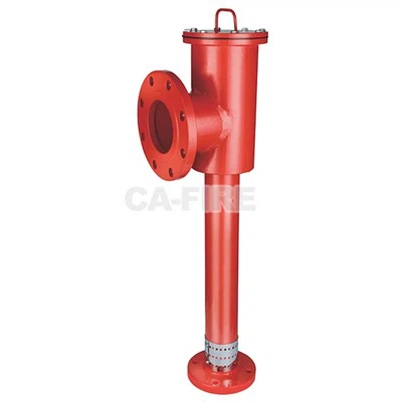
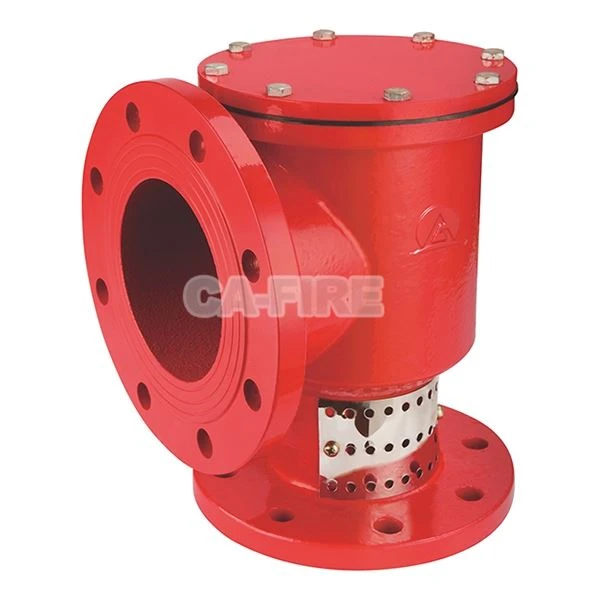
Our Foam Chamber For Fire Foam System is designed to work with different types of foam, taking into account their fluidity. The chamber is engineered to ensure that the foam is released in the most effective way possible. It can adjust the pressure and flow rate of the foam, which can have a big impact on how the foam spreads.
When the foam is released from the foam chamber, the initial velocity also plays a role in its spread. A highly fluid foam can take advantage of a higher initial velocity to spread over a larger area. The foam chamber can control this velocity, making sure that the foam reaches the fire area quickly and efficiently.
In addition, the temperature in the fire area can affect foam fluidity. High temperatures can cause the foam to change its properties. If the foam is exposed to extreme heat, it might become more fluid or start to break down. Our Foam Chamber For Fire Fighting is built to withstand high temperatures and ensure that the foam maintains its desired fluidity and effectiveness.
We've conducted a lot of tests to understand how different factors interact with foam fluidity and its spread. In one test, we simulated a large - scale fire in a mock - up industrial setting. We used two different types of foam: one with high fluidity and one with low fluidity. The highly fluid foam covered the fire area in just a few minutes, while the low - fluidity foam took much longer and left some areas uncovered.
The shape of the fire area also matters. In a long, narrow corridor, a highly fluid foam can flow along the length of the corridor quickly. But in a large, open space, the foam might spread out in all directions. Our foam chambers are designed to be adaptable to different fire area shapes. They can direct the foam in the most appropriate way, depending on the fluidity of the foam and the layout of the fire area.
Now, let's talk about the practical implications for fire - fighting operations. Firefighters need to be able to choose the right foam based on the fire situation. They also need to know how to operate the foam chamber to get the best results. Our company provides training and support to ensure that firefighters can make the most of our products.
If you're in the business of fire - protection or you're responsible for the safety of a large facility, you know how crucial it is to have an effective fire - fighting system. Our foam chambers, combined with the right understanding of foam fluidity, can make a huge difference in fire - fighting operations.
We're constantly researching and developing new ways to improve the performance of our foam chambers and the foam they release. We're looking at new materials for the foam and new designs for the chambers to enhance the spread of foam in fire areas.
If you're interested in learning more about our Foam Chamber Model or have any questions about how foam fluidity affects fire - fighting, don't hesitate to reach out. We're here to help you make the right choices for your fire - protection needs. Whether you're dealing with a small business or a large industrial complex, we have the solutions to keep you safe. Contact us today to start a conversation about your fire - fighting requirements and how our products can fit into your system.
References
- Smith, J. (2020). "Fire - Fighting Foam Technology". Fire Science Journal.
- Johnson, A. (2021). "The Impact of Foam Properties on Fire Suppression". International Journal of Fire Safety.