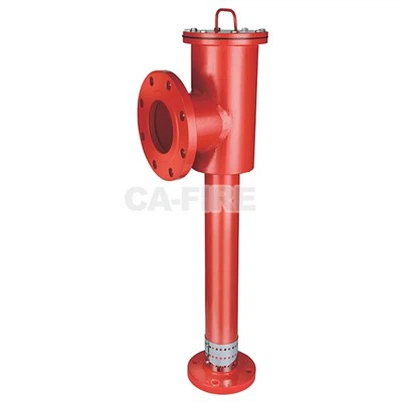

How does an Alarm Valve System work in pre - action sprinkler systems?
Leave a message

Pre-action sprinkler systems are a crucial component in modern fire protection, offering an extra layer of safety compared to traditional sprinkler systems. At the heart of these systems lies the alarm valve system, a complex yet reliable mechanism that plays a pivotal role in ensuring rapid and effective response to fire threats. As a leading supplier of alarm valve systems, I am excited to delve into the intricacies of how these systems operate within pre-action sprinkler systems.
Understanding Pre-action Sprinkler Systems
Before we explore the alarm valve system, it's essential to understand the basics of pre-action sprinkler systems. These systems are designed to prevent accidental water discharge, which can cause significant damage in areas where water-sensitive equipment or materials are stored. Unlike traditional wet sprinkler systems, where pipes are constantly filled with water, pre-action systems typically keep the pipes dry until a fire is detected.
The pre-action system combines elements of both dry and wet sprinkler systems. It uses a fire detection system, such as smoke detectors or heat sensors, to activate the pre-action valve before water is released into the sprinkler pipes. This two-step process provides a safeguard against false alarms and reduces the risk of water damage from accidental sprinkler activation.
The Role of the Alarm Valve System
The alarm valve system is the linchpin of the pre-action sprinkler system. It controls the flow of water into the sprinkler pipes and triggers an alarm when a fire is detected. The primary functions of the alarm valve system include:
- Isolation of Water Supply: In normal conditions, the alarm valve keeps the water supply isolated from the sprinkler pipes, ensuring that the pipes remain dry. This helps prevent corrosion and damage to the system over time.
- Fire Detection and Activation: When a fire is detected by the fire detection system, the alarm valve system receives a signal to open the valve. This allows water to flow into the sprinkler pipes, preparing the system for activation.
- Alarm Notification: Simultaneously, the alarm valve system triggers an alarm, alerting building occupants and fire authorities to the presence of a fire. This early warning can save lives and minimize property damage.
Components of the Alarm Valve System
The alarm valve system consists of several key components, each playing a specific role in the operation of the system. These components include:
- Alarm Valve: The alarm valve is the central component of the system. It is a large, diaphragm-operated valve that controls the flow of water into the sprinkler pipes. The valve is normally closed, but it opens when a fire is detected.
- Pressure Switch: The pressure switch is a device that monitors the pressure in the sprinkler pipes. When the alarm valve opens, the pressure in the pipes increases, causing the pressure switch to activate and send a signal to the fire alarm panel.
- Water Motor GONG: The water motor gong is a mechanical alarm device that sounds when water flows through the alarm valve. It provides a loud, audible warning to indicate that the sprinkler system has been activated.
- Drain Valve: The drain valve is used to drain the water from the sprinkler pipes when the system is not in use. This helps prevent freezing and damage to the pipes during cold weather.
- Supervisory Switch: The supervisory switch monitors the status of the alarm valve system. It sends a signal to the fire alarm panel if the valve is not in the proper position or if there is a problem with the system.
How the Alarm Valve System Works
The operation of the alarm valve system can be divided into three main stages: normal operation, fire detection, and activation.
Normal Operation
During normal operation, the alarm valve is closed, and the water supply is isolated from the sprinkler pipes. The pressure switch is in a normal state, and the water motor gong is silent. The fire detection system continuously monitors the environment for signs of fire.
Fire Detection
When a fire is detected by the fire detection system, it sends a signal to the alarm valve system. The signal activates a solenoid valve, which releases the pressure from the diaphragm of the alarm valve. As the pressure on the diaphragm is reduced, the valve opens, allowing water to flow into the sprinkler pipes.
Activation
Once the alarm valve is open, water begins to flow into the sprinkler pipes. The pressure in the pipes increases, causing the pressure switch to activate and send a signal to the fire alarm panel. The water motor gong also sounds, providing a loud, audible warning to indicate that the sprinkler system has been activated.


As the water flows through the sprinkler heads, it is dispersed in a controlled manner, covering the area with a fine mist or spray. The water helps to cool the fire, suppress the flames, and prevent the spread of smoke and toxic gases.
Types of Alarm Valve Systems
There are several types of alarm valve systems available for pre-action sprinkler systems, each designed to meet specific requirements and applications. Some of the most common types include:
- Single Interlock Pre-action System: In a single interlock pre-action system, the alarm valve is opened by the fire detection system. Once the valve is open, water flows into the sprinkler pipes, but the sprinkler heads do not activate until the heat from the fire causes them to open.
- Double Interlock Pre-action System: A double interlock pre-action system requires both the fire detection system and the sprinkler heads to activate before water is released. This provides an extra layer of protection against false alarms and accidental water discharge.
- Initiating System for Pre-action System: An initiating system for a pre-action system uses a combination of smoke detectors, heat sensors, and other fire detection devices to activate the alarm valve. This allows for early detection and rapid response to fires.
Benefits of Using an Alarm Valve System in Pre-action Sprinkler Systems
The use of an alarm valve system in pre-action sprinkler systems offers several benefits, including:
- Enhanced Fire Protection: The alarm valve system provides an extra layer of protection against fires by delaying the release of water until a fire is detected. This helps prevent accidental water discharge and reduces the risk of water damage.
- Early Warning: The alarm valve system triggers an alarm when a fire is detected, providing early warning to building occupants and fire authorities. This allows for a prompt response and can save lives and minimize property damage.
- Reduced False Alarms: The two-step process of pre-action sprinkler systems helps reduce the number of false alarms, which can be costly and disruptive. This ensures that the system is only activated when a real fire threat exists.
- Compatibility with Different Fire Detection Systems: The alarm valve system can be integrated with a variety of fire detection systems, including smoke detectors, heat sensors, and flame detectors. This allows for customized fire protection solutions that meet the specific needs of each application.
Maintenance and Testing of Alarm Valve Systems
Proper maintenance and testing of alarm valve systems are essential to ensure their reliable operation. Regular maintenance helps identify and address potential issues before they cause system failures or false alarms. Some key maintenance tasks include:
- Visual Inspections: Conduct regular visual inspections of the alarm valve system to check for signs of damage, leaks, or corrosion. Inspect the valve, pressure switch, water motor gong, and other components for any visible issues.
- Functional Testing: Perform periodic functional tests of the alarm valve system to ensure that it operates correctly. This includes testing the solenoid valve, pressure switch, and water motor gong to verify that they activate and deactivate as intended.
- Flow Testing: Conduct flow tests of the sprinkler system to ensure that water is flowing properly through the pipes and sprinkler heads. This helps confirm that the alarm valve system is functioning correctly and that the sprinkler system is capable of providing adequate fire protection.
- Lubrication and Adjustment: Lubricate the moving parts of the alarm valve system as recommended by the manufacturer. Adjust the valve and other components to ensure proper operation and alignment.
Conclusion
The alarm valve system is a critical component of pre-action sprinkler systems, providing enhanced fire protection and early warning in the event of a fire. As a supplier of alarm valve systems, we understand the importance of reliability, performance, and safety in fire protection. Our products are designed to meet the highest industry standards and provide long-lasting, trouble-free operation.
If you are interested in learning more about our alarm valve systems or exploring how they can be integrated into your pre-action sprinkler system, we invite you to [Contact us for a consultation]. Our team of experts is available to answer your questions, provide technical support, and help you find the right solution for your fire protection needs.
References
- National Fire Protection Association (NFPA). NFPA 13: Standard for the Installation of Sprinkler Systems.
- Factory Mutual Research Corporation (FMRC). FM Global Data Sheets for Fire Protection Systems.
- Insurance Services Office (ISO). ISO Fire Protection Classification Guide.
For more information about related valve systems, you can visit the following links:
We look forward to the opportunity to work with you and provide you with the best alarm valve system solutions for your fire protection requirements.