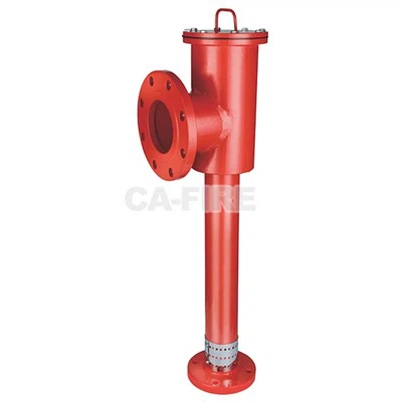

How does a pre - action valve protect electronic equipment?
Leave a message

Hey there! As a supplier of pre - action valves, I've seen firsthand how crucial these little wonders are for protecting electronic equipment. So, let's dive into how a pre - action valve does its magic in safeguarding our precious electronics.
First off, what the heck is a pre - action valve? Well, it's a key part of a fire protection system. It sits there, waiting patiently, until it gets the signal that something's up. A pre - action valve is designed to hold back water from sprinkler systems until certain conditions are met. This is a big deal when it comes to electronic equipment because water and electronics don't mix well, as we all know.
Let's talk about the basic working principle. In a normal pre - action system, the pipes are filled with air or nitrogen instead of water. This dry state is perfect for electronic environments. You don't have to worry about water leaking or causing corrosion in the pipes, which could potentially damage the equipment over time.
When a fire alarm is triggered, things start to happen. The pre - action valve gets the signal. It's like a guard dog that suddenly wakes up and springs into action. Once the valve receives the signal, it allows water to enter the sprinkler pipes. But here's the really cool part: it doesn't just flood the place right away. The valve also requires a secondary trigger, usually the activation of a heat - sensitive sprinkler head.
This double - trigger mechanism is a game - changer for protecting electronic equipment. In a false alarm situation, where the fire alarm goes off by mistake, the pre - action valve won't let water into the system unless the sprinkler heads are also activated. This means that your electronics stay dry and safe. For example, in a data center filled with servers, a false alarm could be caused by a minor electrical glitch. Without the double - trigger of the pre - action valve, the whole place could be flooded with water, ruining expensive servers and causing huge financial losses.
Now, let's look at how pre - action valves prevent damage to electronic equipment during a real fire. When a fire actually breaks out, the heat from the fire will activate the heat - sensitive sprinkler heads. Once these heads are activated, the pre - action valve fully opens, and water is released. The water then sprays out of the sprinkler heads, dousing the fire.
The water from the sprinklers cools down the area around the fire. This is important because electronic equipment can be damaged by high temperatures. Even if the fire doesn't directly reach the electronics, the heat can cause components to malfunction or even melt. By quickly cooling the area, the pre - action valve helps to minimize the heat damage to the equipment.
Another way pre - action valves protect electronics is by controlling the amount of water used. Unlike some other fire suppression systems that might flood an area all at once, pre - action systems can be designed to release water in a more controlled manner. This means that you're not using more water than necessary to put out the fire. Less water means less potential for water damage to the electronic equipment.
Let's take a look at some of the different types of pre - action valves and their benefits. One type is the Preaction Automatic Alarm Valve Pre - Action Fire Alarm Valve. This valve is known for its reliability. It's been tested and proven to work in a variety of fire situations. It has a sensitive alarm system that can quickly detect a fire and start the process of releasing water.
Then there are Deluge Valves – Skid Solutions. These valves are great for larger areas with a high risk of fire. They can release a large amount of water quickly when needed. But they also work well with pre - action systems. They can be integrated into a pre - action setup to provide an extra layer of protection for electronic equipment.
The DN150 Wet Alarm Valve is another option. It's a popular choice for many facilities. It's easy to install and maintain. It can handle a good amount of water flow, which is important for effectively putting out fires and protecting electronics.
In addition to protecting against fire and heat, pre - action valves also help with preventing corrosion. Since the pipes are kept dry most of the time, there's less chance of rust and corrosion forming inside the pipes. Corrosion can not only damage the pipes themselves but can also contaminate the water that's released during a fire. Contaminated water can leave behind residue on electronic equipment, which can cause long - term damage.


Pre - action valves are also great for compliance. Many industries have strict regulations when it comes to fire protection for electronic equipment. Using a pre - action valve system can help you meet these regulations. For example, in the healthcare industry, where there are a lot of sensitive electronic medical devices, having a proper fire protection system with a pre - action valve is a must.
Now, if you're in charge of a facility with electronic equipment, you might be thinking about getting a pre - action valve system. It's a smart investment. Not only does it protect your valuable electronics, but it also gives you peace of mind. You don't have to worry about the risks of fire and water damage constantly hanging over your head.
If you're interested in learning more about our pre - action valves or want to discuss a custom solution for your facility, don't hesitate to reach out. We're here to help you find the best pre - action valve system for your specific needs. Whether you have a small office with a few computers or a large industrial facility filled with high - tech equipment, we've got you covered.
In conclusion, pre - action valves are an essential part of protecting electronic equipment. Their double - trigger mechanism, water control, and corrosion prevention features make them a top choice for fire protection in electronic environments. So, if you haven't already, consider investing in a pre - action valve system for your facility.
References
- NFPA 13: Standard for the Installation of Sprinkler Systems
- FM Global Data Sheets on Fire Protection for Electronics