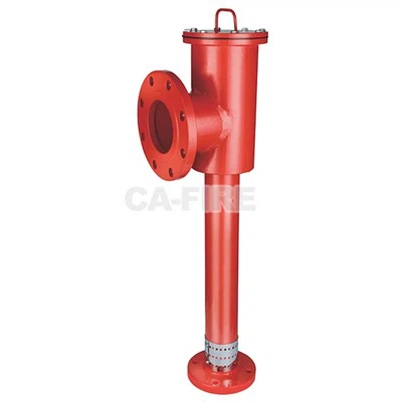

How are Type Fire Hydrants maintained during the summer?
Leave a message

Summer is a tricky time for fire hydrant maintenance. As a fire hydrant supplier, I've seen firsthand how the heat and other summer - related factors can take a toll on these crucial safety devices. In this blog, I'll share some tips on how to keep type fire hydrants in top shape during the summer months.
1. Regular Inspections
First off, regular inspections are a must. You can't just assume that your fire hydrants are working fine because they were okay last month. The summer heat can cause all sorts of problems, like the expansion and contraction of metal parts. This can lead to leaks and other malfunctions.
During inspections, you should check for visible damage. Look for cracks in the hydrant body, which could be a sign of stress from the heat. Also, make sure the valves are in good working order. You can try opening and closing them to see if they move smoothly. If there's any resistance or if they don't close all the way, it's a red flag.
Another important thing to inspect is the connection points. The hoses and couplings need to be tight and free of corrosion. Corrosion is more likely to occur in the summer when there's more moisture in the air due to humidity. A simple visual inspection can catch these issues early. For more detailed information on fire hydrant health, you can check out this Fire Hydrant On Fire page.
2. Cleaning and Lubrication
Cleaning your fire hydrants during the summer is essential. Debris, like leaves, dirt, and dust, can accumulate on the hydrant. This not only looks bad but can also affect its performance. For example, dirt can get into the valves and cause them to clog or malfunction.


You can use a simple garden hose to wash away the dirt. Just make sure to be gentle and not use too much pressure, as this could damage the hydrant. After cleaning, it's a good idea to lubricate the moving parts. The valves and the operating nuts should be lubricated to ensure smooth operation. You can use a high - quality lubricant that's designed for use on metal in high - temperature environments.
Lubrication also helps prevent rust. Rust is a big problem in the summer. The heat and humidity create the perfect conditions for it to form. By keeping the moving parts well - lubricated, you can extend the life of your fire hydrants. If you're looking for a reliable type of hydrant like Hydrant Dn100, proper cleaning and lubrication are even more critical.
3. Water Flow Testing
Water flow testing is another important part of summer maintenance. You need to make sure that your fire hydrants can deliver an adequate supply of water in case of a fire. The high temperatures in the summer can sometimes affect the water pressure and flow.
To test the water flow, you'll need to follow the proper procedures. First, make sure you have the necessary equipment, like a pitot tube, to measure the water pressure accurately. Then, open the hydrant and let the water flow for a few minutes. During this time, measure the pressure and the flow rate. Compare the results with the manufacturer's specifications. If the water flow is below the recommended level, there could be a blockage or a problem with the valve.
Water flow testing should be done at least once a year, and summer is a great time to do it. This way, you can catch any issues early and make the necessary repairs.更多关于消防栓测试的信息可以在Fire Hydrant On Fire找到。
4. Soil and Foundation Monitoring
The soil around the fire hydrant can change during the summer. The heat can cause the soil to dry out and shrink, which can affect the stability of the hydrant. You need to monitor the soil and the foundation regularly.
Check for any signs of settling or shifting. If the hydrant appears to be tilting or if there are cracks in the surrounding concrete, it could be a sign of a problem. In some cases, you may need to add more soil or make adjustments to the foundation to ensure the hydrant remains stable.
For yard hydrants, which are often used in areas with more open ground, proper soil and foundation maintenance are crucial. You can learn more about yard hydrants in fire fighting on this Yard Hydrant in Fire Fighting page.
5. Team Training
Lastly, don't forget about training your team. Everyone who is involved in the operation and maintenance of fire hydrants should know how to handle them properly during the summer. This includes understanding the inspection procedures, how to perform water flow tests, and what to do in case of a problem.
You can organize regular training sessions to keep your team updated on the latest maintenance techniques. This will not only ensure the proper functioning of the fire hydrants but also improve the overall safety of your facility.
Connect for Purchase and Technical Support
As a fire hydrant supplier, I'm here to help you with all your fire hydrant needs. Whether you're looking for new hydrants, spare parts, or need advice on maintenance, I've got you covered. If you're interested in learning more about our products or have questions about maintenance during the summer or any other time of the year, feel free to reach out. We can have a detailed discussion about your specific requirements and how we can meet them.
References
- Fire Protection Handbook. National Fire Protection Association (NFPA).
- Manufacturer's manuals for type fire hydrants.