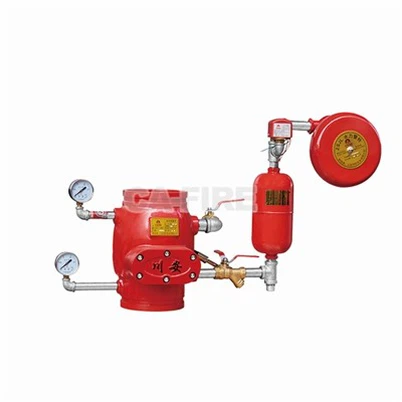


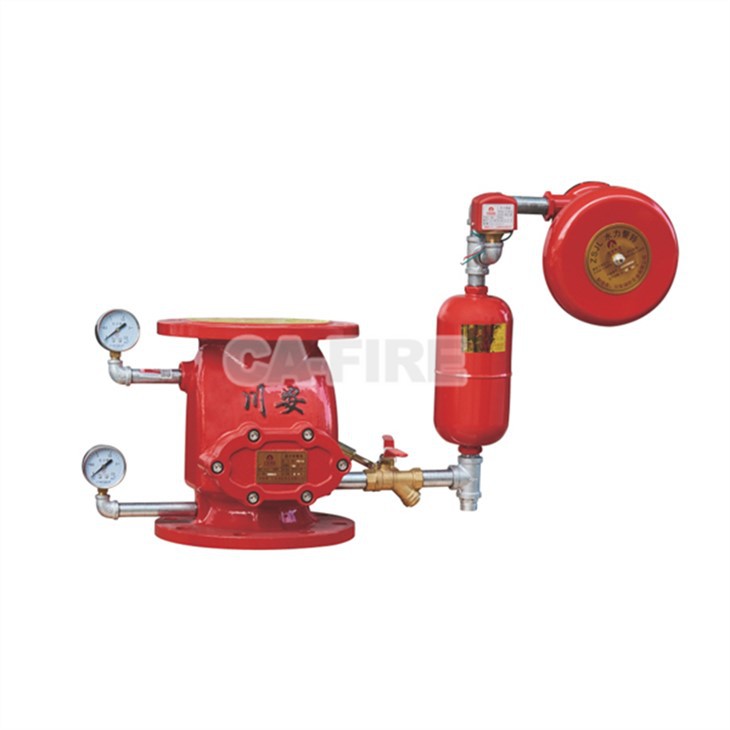
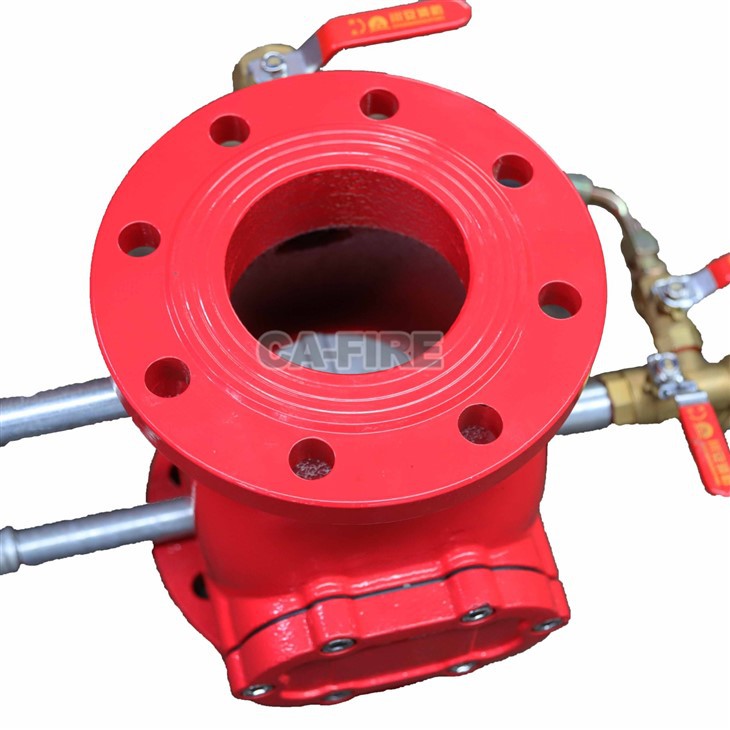
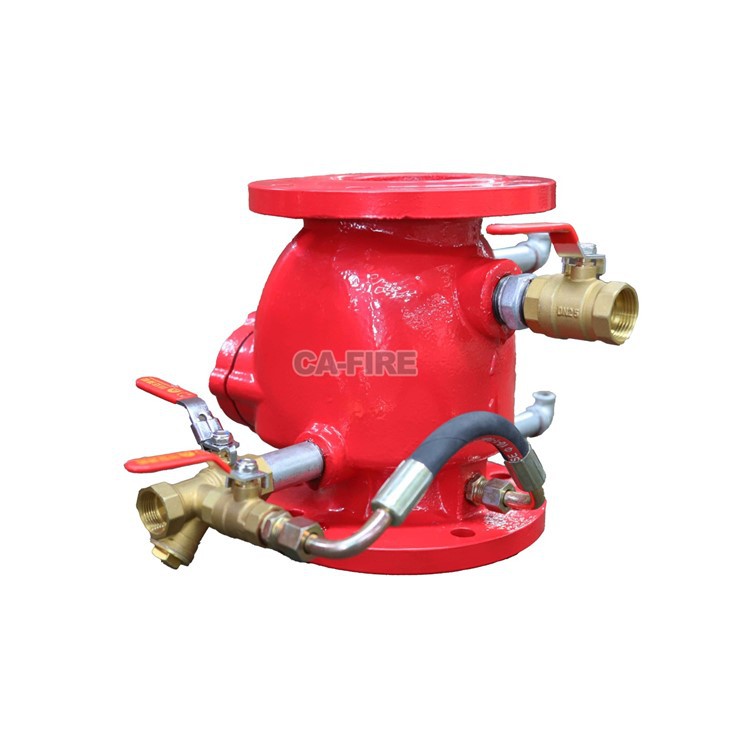
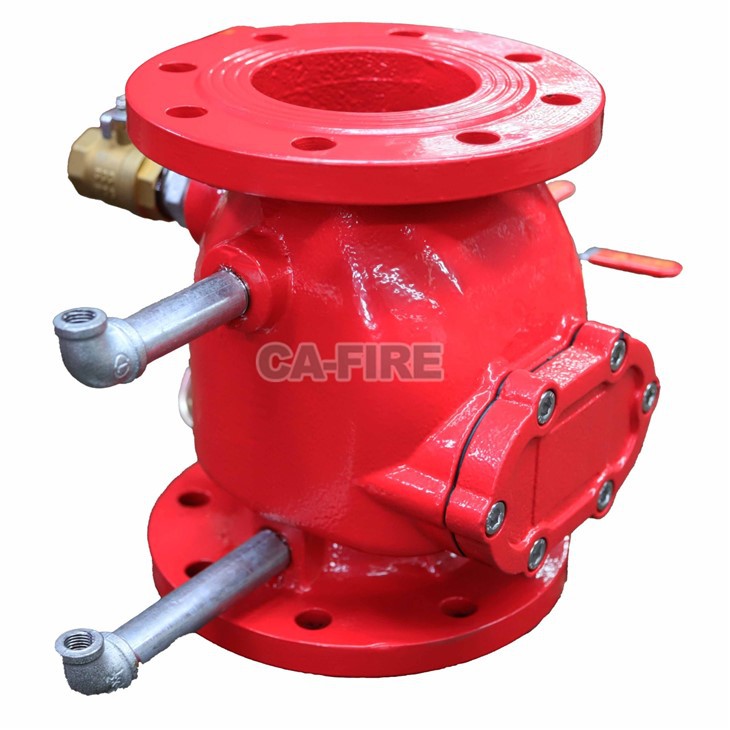
Flanged Wet Alarm Valve
The flanged wet alarm valve is a critical component in wet-pipe fire sprinkler systems, featuring flange connections for secure pipeline integration.
It monitors water flow, triggering alarms (via pressure switches and alarm bells) when sprinklers activate. Constructed with durable materials, it ensures reliable sealing and pressure control, complying with standards like NFPA.
Essential for early fire detection, it balances functionality and robustness in commercial and industrial fire protection.
Description
Ca-Fire Protection Co.,Ltd is one of the most credible manufacturers and suppliers of flanged wet alarm valve in China. Welcome to wholesale custom made fire equipment products at competitive price from our factory. Contact us for more cheap products.
Flanged wet alarm valve--What are the common causes of false alarms in flanged wet alarm valves and how to prevent them?

Flanged wet alarm valve
False alarms in flanged wet alarm valves often result from pressure fluctuations (e.g., pump startups, pipe leaks), worn seals/diaphragms causing seepage, improper installation (misaligned flanges, air traps), faulty pressure switches, or environmental factors like vibration. To prevent them, stabilize system pressure with relief valves, replace seals regularly, install per guidelines (including air release valves), calibrate switches, and mitigate vibration/humidity impacts. Routine maintenance (flushing, component checks) is also critical.
Technical datasheet for Flanged wet alarm valve

t
How often should flanged wet alarm valves be inspected and maintained?
Routine Visual Inspection (Monthly)
Conduct a monthly visual check to assess the valve's physical condition. Verify that pressure gauges show normal system pressure, flanges are leak-free, and all components (diaphragms, seals, springs) appear intact. Check for signs of corrosion, damage, or loose bolts. Ensure the alarm pipeline is unobstructed and auxiliary devices like pressure switches are functioning. This quick inspection helps spot minor issues before they escalate.
Comprehensive Functional Testing (Quarterly)
Perform quarterly functional tests to validate the valve's alarm-triggering mechanism. Simulate a sprinkler activation by releasing a small amount of water (per manufacturer guidelines) to confirm the alarm bell rings and the pressure switch signals correctly. Inspect the valve's ability to reset smoothly after activation. Also, check for any unusual noises or resistance during operation, which could indicate internal wear.
Detailed Component Maintenance (Semi-Annually)
Every six months, disassemble key components for in-depth maintenance. Clean the valve body, diaphragms, and seals to remove sediment or debris. Inspect sealing elements for wear, deformation, or aging; replace them if necessary. Lubricate moving parts (if specified by the manufacturer) and verify the spring's tension. Calibrate pressure gauges and ensure flange gaskets are in good condition to prevent leaks.
Full System Overhaul (Annually)
Undertake an annual full-system overhaul. This includes inspecting the entire wet-pipe system connected to the valve, such as pipelines, sprinklers, and control devices. Test the valve's compatibility with all system components under simulated fire conditions. Replace worn-out parts (e.g., diaphragms, springs) proactively, even if they seem functional.
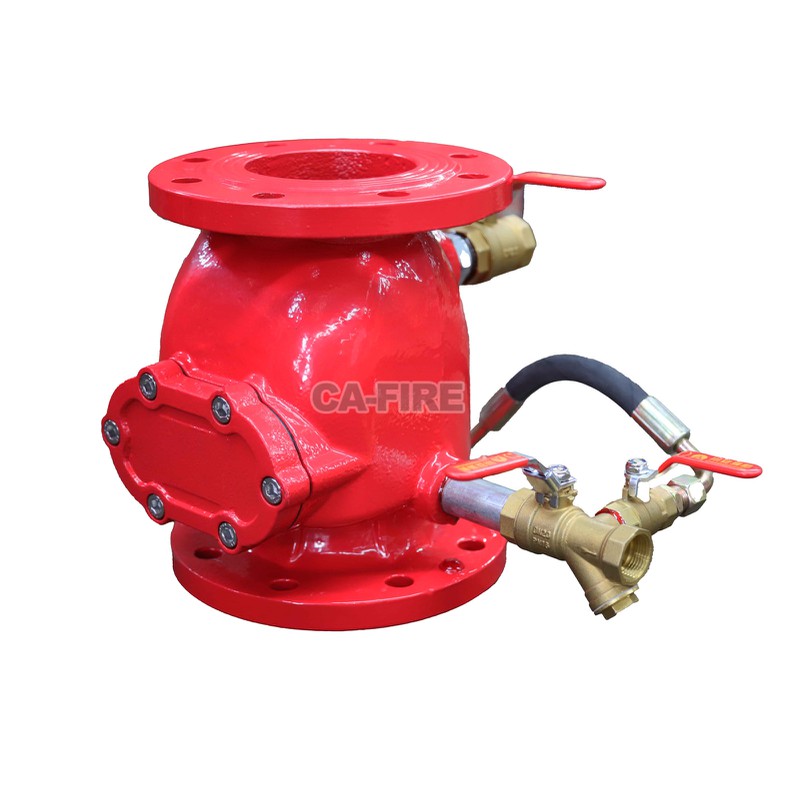
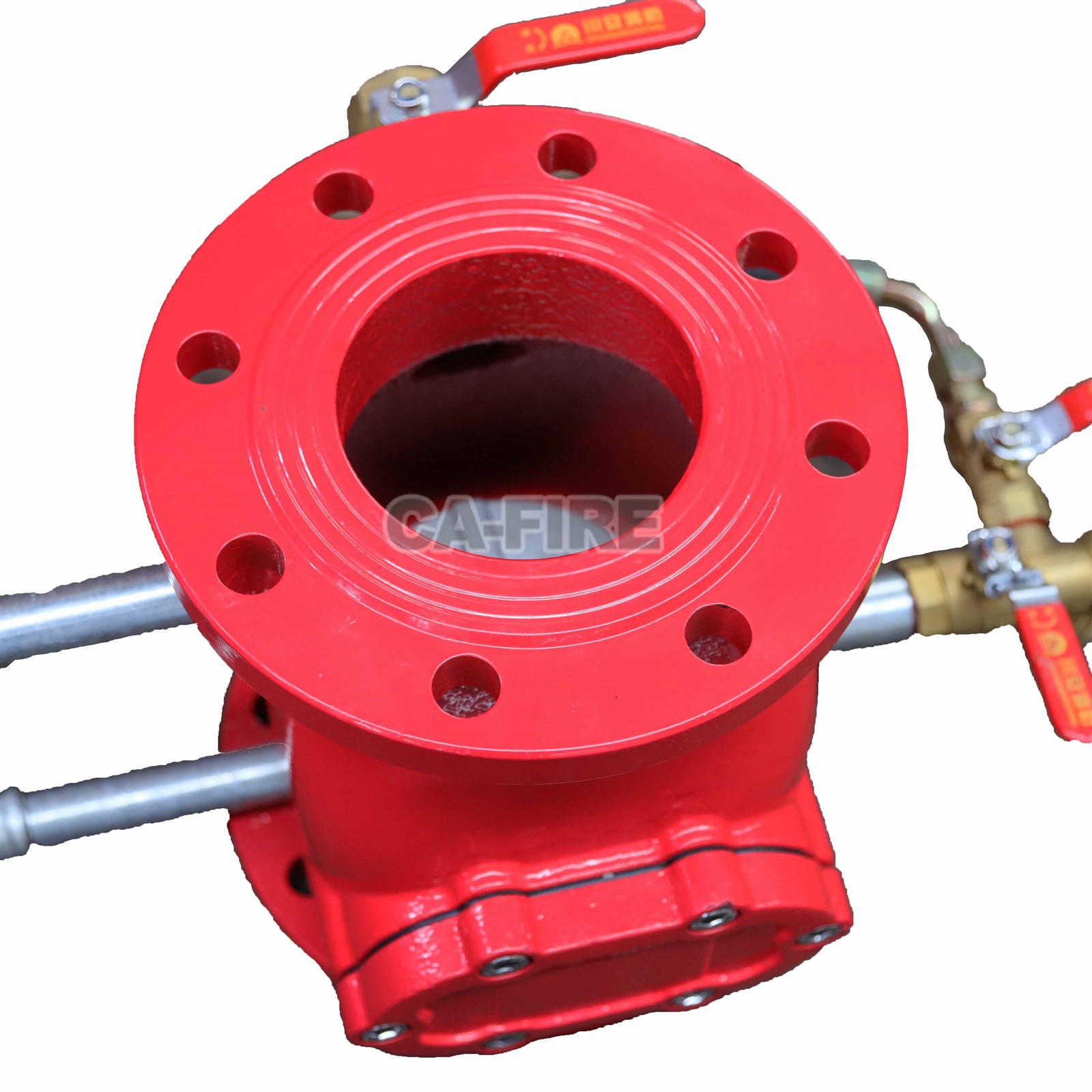
check alarm valve - More pictures

OUR CERTIFICATE:


Our address
NO.8, YUANFENG ROAD, MEIYUAN VILLAGE, KANGMEI TOWN, NANAN CITY, QUANZHOU CITY, FUJIAN CHINA
Phone Number
+86 15960762930
alison@ca-fire.com

Hot Tags: flanged wet alarm valve, China flanged wet alarm valve manufacturers, suppliers, factory, Reliable Wet Alarm Valve, Wet Alarm Valves
Send Inquiry
You Might Also Like