


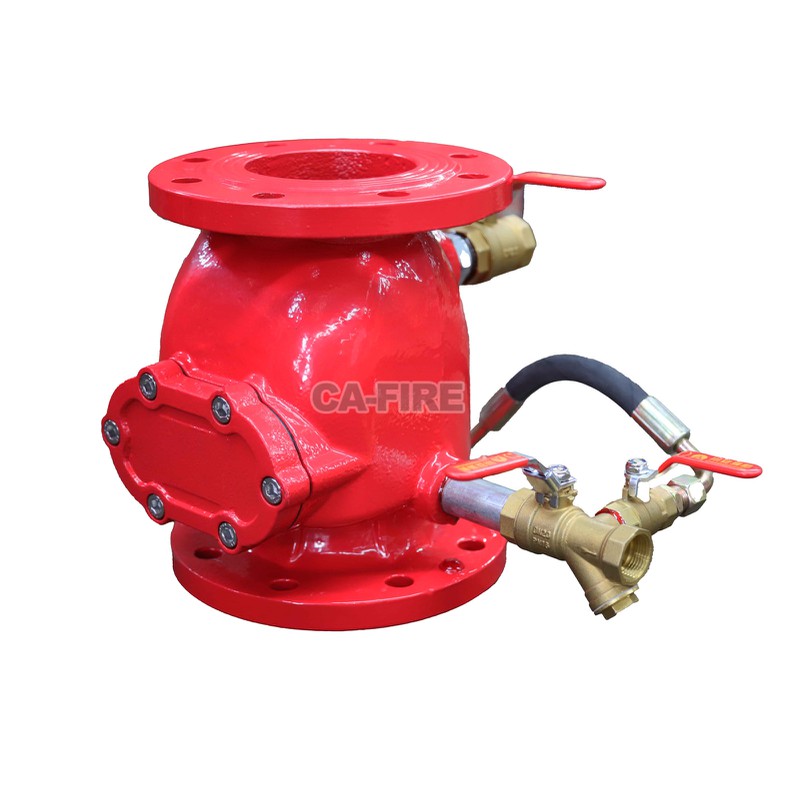
Flange Connection Wet Alarm Valve
The Flange connection wet alarm valve is a core fire protection component that triggers instant alarms upon water flow, ensuring reliable fire detection and system activation in wet pipe sprinkler systems.
Description
Ca-Fire Protection Co.,Ltd is one of the most credible manufacturers and suppliers of flange connection wet alarm valve in China. Welcome to wholesale custom made fire equipment products at competitive price from our factory. Contact us for more cheap products.
Flange connection wet alarm valve

How does the internal structure of the flange connection wet alarm valve affect its alarm response speed during fire activation?
The internal structure of the flange connection wet alarm valve directly determines its alarm response speed during fire activation. Its streamlined, low-resistance flow path minimizes pressure loss when water flows through the valve, ensuring the clapper opens instantly once sprinklers activate. This immediate clapper movement directs water into the alarm line, triggering the water motor gong and pressure switch without delay.
The precision-machined seat and diaphragm assembly eliminate friction and seal lag, preventing delayed clapper operation. The optimized alarm port design ensures consistent water flow to the alarm mechanism, even at varying system pressures. This robust internal configuration guarantees rapid, reliable alarm activation, critical for early fire detection and emergency response in wet pipe sprinkler systems.
Technical datasheet for Flange connection wet alarm valve

t
Flange connection wet alarm valve--What are the common problems and solutions of the flange connection wet alarm valve?
Flange Joint Leakage
Flange connection wet alarm valves often face leakage at flange joints, caused by misaligned gaskets, uneven bolt torque, or worn sealing surfaces. To resolve this, first shut down the system and drain pressure, then inspect the gasket for damage and replace it if needed. Realign the flanges to ensure full contact, and tighten bolts in a crisscross pattern to distribute pressure evenly. This prevents uneven stress and restores a leak-proof seal, maintaining system pressure integrity.
False or Delayed Alarm Activation
False or delayed alarms are common issues, usually stemming from debris clogging the alarm port, a stuck clapper, or insufficient system pressure. For solutions, perform regular internal inspections to clear sediment from the valve chamber and alarm line. Lubricate the clapper hinge to ensure smooth movement, and verify system pressure meets design requirements. Test the alarm mechanism monthly to confirm prompt activation, eliminating false alerts and ensuring reliable fire response.
Internal Valve Leakage
Internal leakage occurs when the valve seat seal fails, often due to wear, corrosion, or foreign objects trapped between the clapper and seat. Fix this by isolating the valve, disassembling it, and cleaning the seat and clapper surfaces. Replace worn or damaged seals, and inspect the cast iron body for corrosion that may compromise sealing. Reassemble and pressure-test the valve to confirm no leakage, preventing water loss and system pressure drop.
Reduced Alarm Sound or No Alarm
Weak or absent alarm signals typically result from a clogged water motor gong, restricted alarm line flow, or a faulty pressure switch. Troubleshoot by flushing the alarm line to remove blockages, inspecting the water motor gong for debris, and lubricating its moving parts. Test the pressure switch to ensure it triggers correctly, and replace faulty components if needed. Regular maintenance of the alarm circuit ensures the valve reliably alerts personnel during fire emergencies.
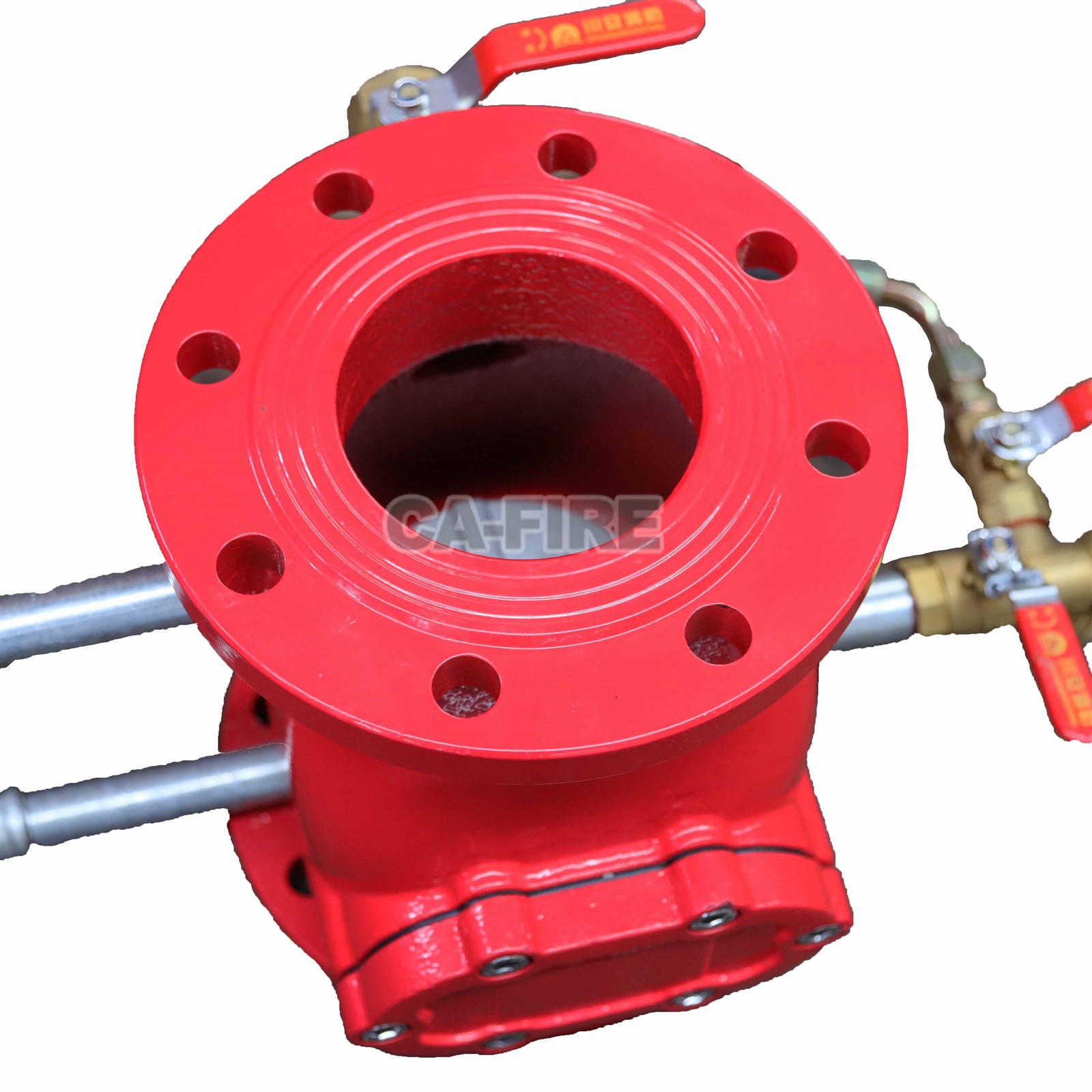
Flange connection wet alarm valve- More pictures

OUR CERTIFICATE:


Our address
NO.8, YUANFENG ROAD, MEIYUAN VILLAGE, KANGMEI TOWN, NANAN CITY, QUANZHOU CITY, FUJIAN CHINA
Phone Number
+86 15960762930
alison@ca-fire.com

Hot Tags: flange connection wet alarm valve, China flange connection wet alarm valve manufacturers, suppliers, factory
Send Inquiry
You Might Also Like


