

Why Foam Fire Suppression Systems Are Essential For Oil-Related Fires
Leave a message
Oil-related fires remain one of the most dangerous and challenging fire types in industrial environments. Unlike ordinary combustible materials, flammable liquids such as fuel, engine oil, and lubricants can spread rapidly and reignite easily, making them difficult to control with traditional firefighting methods.
In recent years, industries including manufacturing, energy, transportation, and fire protection systems have placed greater emphasis on specialized fire suppression solutions. Among these, foam fire suppression systems have proven to be one of the most effective and reliable methods for controlling oil fires.
Why Oil Fires Are So Dangerous
Oil fires behave very differently from standard Class A fires involving wood or paper. When oil ignites, it burns at high temperatures and can spread across surfaces quickly, especially if the liquid is leaking or flowing. Attempting to extinguish such fires with water alone is often ineffective and can even worsen the situation, as water may spread the burning liquid further.
In many industrial scenarios, oil fires originate from equipment failures, such as leaking seals, damaged pipelines, or engine component issues. For example, engine oil leaks in high-temperature systems can create ignition conditions similar to those found in generator rooms or diesel fire pump systems. Once ignition occurs, the fire can escalate rapidly, threatening both equipment and personnel.
How Foam Fire Suppression Systems Work

Foam fire suppression systems are specifically designed to combat flammable liquid fires. Instead of trying to cool the fire directly, foam works by forming a stable blanket over the surface of the burning liquid. This foam layer performs several critical functions simultaneously.
First, it isolates the fuel from oxygen, effectively smothering the fire and stopping combustion. Second, it suppresses the release of flammable vapors, which are often responsible for fire spread and re-ignition. Third, it provides a cooling effect that helps reduce the temperature of both the fuel and surrounding surfaces.
This multi-layered protection makes foam systems far more effective than water alone when dealing with oil-related fires.
Key Advantages of Foam Systems in Industrial Applications
One of the main reasons foam fire suppression systems are widely used is their ability to provide fast and reliable fire control in high-risk environments. In facilities where flammable liquids are present, such as oil storage areas, engine rooms, and pump houses, foam systems can quickly cover large surface areas and prevent fire escalation.
Another important advantage is their effectiveness in preventing re-ignition. Even after flames are extinguished, residual heat and vapors can cause fires to restart. The foam blanket remains in place, maintaining a barrier between the fuel and oxygen, which significantly reduces this risk.
Foam systems are also highly adaptable. They can be integrated into various fire protection setups, including fixed systems, mobile units, and automatic suppression systems. This flexibility makes them suitable for a wide range of industrial and commercial applications.
Typical Applications of Foam Fire Suppression Systems
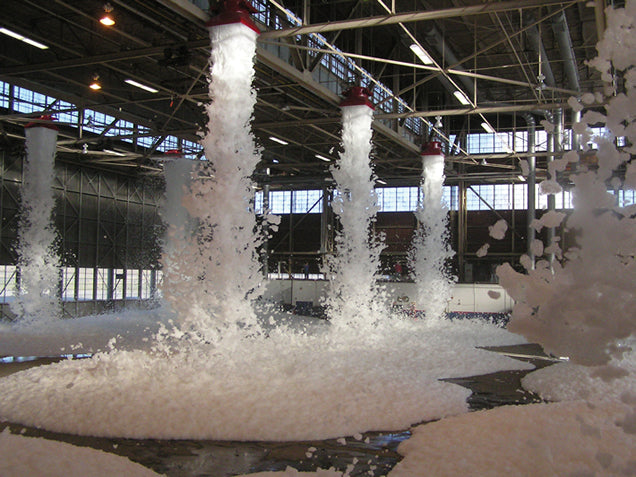
Foam systems are commonly used in environments where oil and flammable liquids are present. These include fuel storage facilities, chemical plants, aircraft hangars, and industrial processing areas.
In fire protection infrastructure, foam systems are also increasingly applied in diesel engine rooms, generator enclosures, and fire pump systems, where oil leaks combined with high temperatures can create significant fire hazards. By installing foam suppression systems in these areas, operators can greatly reduce the risk of fire spreading and causing extensive damage.
Industry Trends and Growing Demand
With stricter fire safety regulations and increasing awareness of industrial risks, the demand for advanced fire suppression technologies continues to grow. Many industries are moving beyond traditional water-based systems and adopting foam solutions as part of a comprehensive fire protection strategy.
In addition, modern foam concentrates are becoming more environmentally friendly and efficient, offering improved performance while meeting regulatory requirements. This trend is driving wider adoption across both developed and emerging markets.
Conclusion
Oil-related fires present unique challenges that cannot be effectively addressed by conventional firefighting methods alone. Foam fire suppression systems provide a specialized and highly effective solution by isolating fuel, suppressing vapors, and preventing re-ignition.
For industries dealing with flammable liquids or high-temperature equipment, investing in foam fire protection is not just a safety measure-it is a critical component of risk management and operational continuity.
Call to Action
If your facility involves flammable liquids, engine systems, or high-risk industrial operations, choosing the right fire suppression system is essential.
CA-FIRE offers reliable foam fire suppression solutions designed for industrial safety and efficient fire control.
🌐 Website: www.cafire-119.com
📧 Email: miki@ca-fire.com
📱 WhatsApp: +86 18160950625


