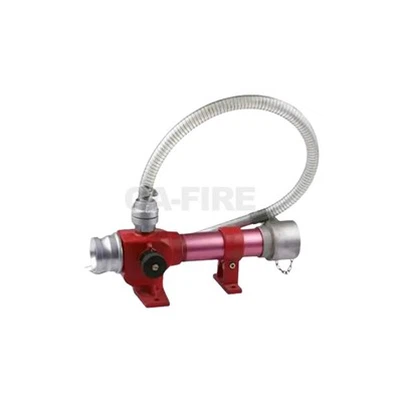

Why Fire Monitor Systems Are Critical For Large Warehouse Fire Protection
Leave a message
In recent years, the rapid expansion of global logistics, e-commerce, and distribution networks has significantly increased the size and complexity of modern warehouses. While these facilities improve efficiency in supply chains, they also introduce new fire protection challenges. High storage density, combustible packaging materials, and limited accessibility make fire incidents more difficult to control.
As a result, fire monitor systems-also known as fire water cannons-are becoming an increasingly important component in large warehouse fire protection strategies.
The Changing Risk Profile of Modern Warehouses
Modern warehouses are no longer simple storage spaces. Today's facilities often feature:
High-rack storage systems exceeding 10–20 meters
Large open floor areas with minimal compartmentation
Mixed storage of goods, including plastics and flammable materials
Automated systems such as conveyors and robotics
These factors contribute to faster fire spread and higher heat release rates. Once a fire starts, it can escalate rapidly beyond the control capacity of traditional systems.
Additionally, accessibility challenges can delay manual firefighting efforts, increasing the reliance on fixed and semi-fixed fire protection systems.
Limitations of Conventional Fire Protection Systems
Traditional fire protection methods, including sprinkler systems and fire hose reels, remain essential. However, in large-scale warehouse environments, they may face several limitations:
1. Limited Coverage in High-Ceiling Spaces
Standard sprinkler systems may struggle to deliver sufficient water density to fires located at high storage levels. Obstructions such as shelving can also interfere with water distribution.
2. Delayed Firefighter Intervention
In large warehouses, reaching the fire source quickly can be difficult due to layout complexity and safety concerns, especially when visibility is reduced by smoke.
3. Rapid Fire Spread
Combustible goods, particularly plastic-based materials, can accelerate fire growth, potentially overwhelming conventional suppression systems.
These limitations highlight the need for additional fire suppression solutions capable of delivering high-capacity and targeted response.
How Fire Monitor Systems Address These Challenges
Fire monitor systems provide a powerful supplement to traditional fire protection methods. Their unique capabilities make them particularly suitable for large warehouse applications.
1. Long-Range and High-Volume Discharge
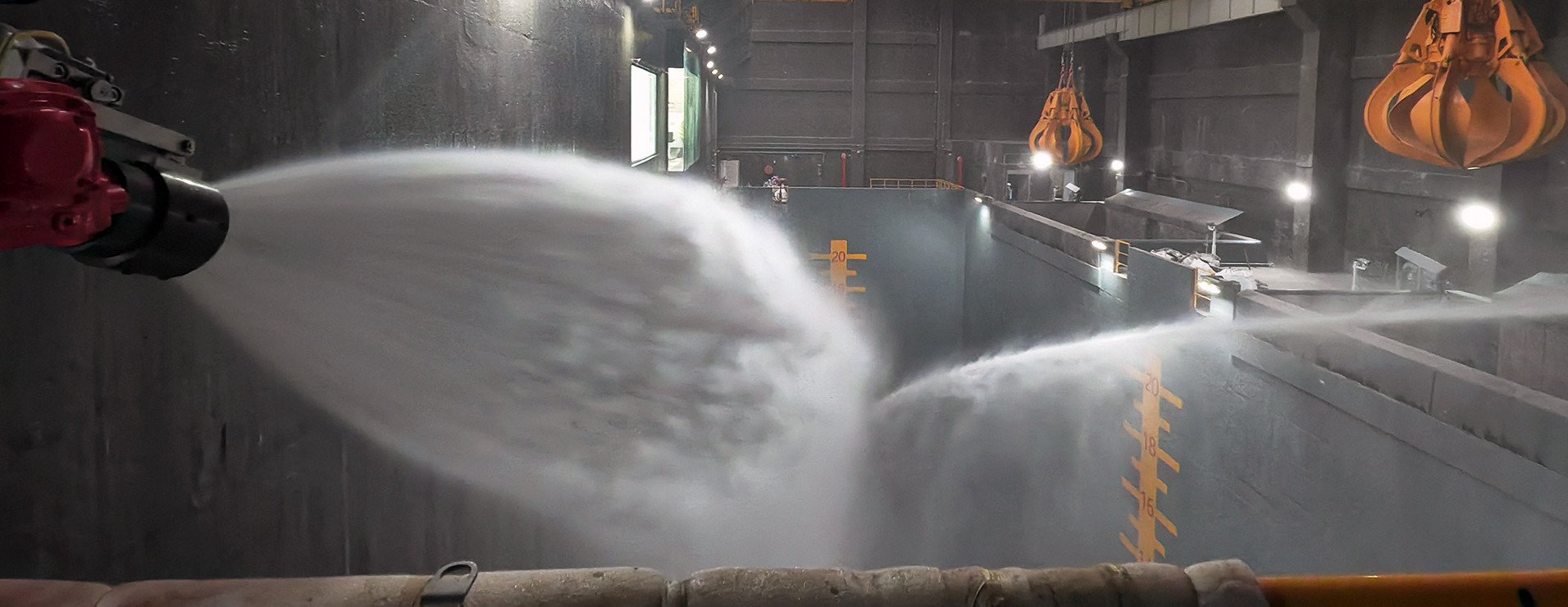
Fire monitors can project water or foam over long distances, often exceeding 60 meters. This allows them to reach fire zones that may be inaccessible to other systems.
2. Flexible Targeting
Unlike fixed sprinkler heads, fire monitors can be directed toward specific fire areas, enabling more efficient use of water and faster suppression.
3. Rapid Response Capability
When integrated with fire detection systems, fire monitors can be activated quickly, reducing the time between fire detection and suppression.
4. Foam Application for High-Risk Goods
In warehouses storing flammable liquids or hazardous materials, foam fire monitors provide enhanced fire suppression by forming a protective layer over the fuel surface.
Integration with Modern Fire Protection Systems
One of the key trends in fire safety engineering is the integration of fire monitors with other systems to create a coordinated response.
Fire monitor systems can be connected with:
Fire alarm and detection systems
Automatic sprinkler systems
Fire pumps and water supply networks
Centralized control systems
In advanced installations, remote-controlled or automated fire monitors can be operated from a control room, significantly improving safety for personnel.
Design Considerations for Warehouse Applications
To ensure optimal performance, fire monitor systems must be properly designed and positioned. Key considerations include:
Coverage Planning
Engineers should ensure overlapping coverage areas to eliminate blind spots within the warehouse.
Pressure and Flow Requirements
Adequate water supply and pump capacity are critical to achieving the desired throw distance and discharge performance.
Installation Height and Angle
Proper elevation and positioning improve the effectiveness of water or foam application.
Environmental Conditions
Factors such as wind, temperature, and potential obstructions should be considered during system design.
A well-designed system not only improves fire suppression efficiency but also enhances overall safety and compliance with fire protection standards.
Future Trends in Warehouse Fire Protection
As warehouse operations continue to evolve, fire protection technologies are also advancing. Key trends include:
Increased adoption of remote-controlled fire monitors
Integration with smart building and IoT systems
Enhanced materials for corrosion resistance and durability
Greater use of foam-based suppression in high-risk environments
These developments indicate that fire monitor systems will play an even more significant role in future fire protection strategies.
Conclusion
Large warehouses present unique and growing fire protection challenges that cannot always be addressed by traditional systems alone. Fire monitor systems offer a powerful, flexible, and efficient solution for protecting large-scale facilities.
By combining long-range coverage, high flow capacity, and integration with modern fire protection systems, fire monitors significantly improve the ability to control and suppress fires in complex warehouse environments.
For engineers, contractors, and facility owners, incorporating fire monitor systems into warehouse design is becoming not just an option, but a necessity.
About CA-FIRE
CA-FIRE specializes in advanced fire protection equipment, including high-performance fire monitor systems designed for industrial and large-scale applications.
🌐 Website: www.cafire-119.com
📧 Email: miki@ca-fire.com
📱 WhatsApp: +86 18160950625