
Why Do Fire Sprinklers Leak?
Leave a message
Fire sprinkler leaks are a common concern in commercial, industrial, and residential buildings. While sprinkler systems are designed for long-term reliability, leaks can still occur due to aging components, corrosion, improper installation, or accidental damage. Understanding the causes of sprinkler leaks can help building owners prevent system failures and reduce maintenance costs.
Common Causes of Fire Sprinkler Leaks
Corrosion Inside the Pipes
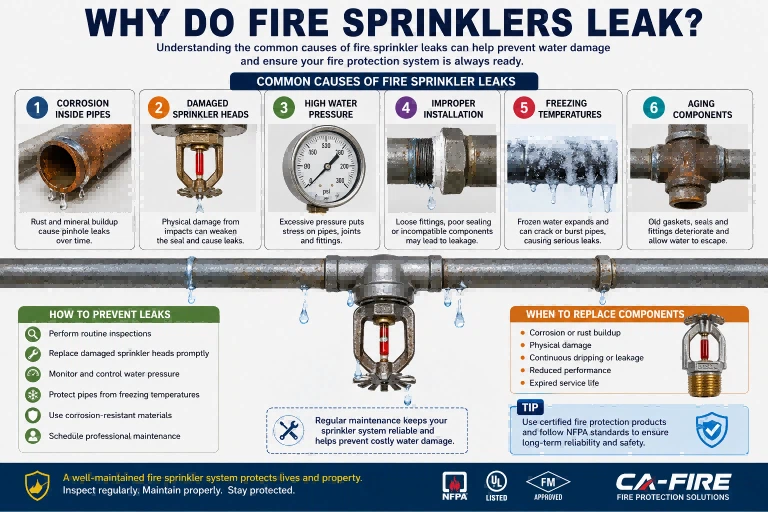
Internal pipe corrosion is one of the leading causes of sprinkler leaks. Over time, moisture, oxygen, and minerals inside the piping system can cause rust and small pinhole leaks. Corrosion is more common in older systems or systems with poor water quality.
Damaged Sprinkler Heads
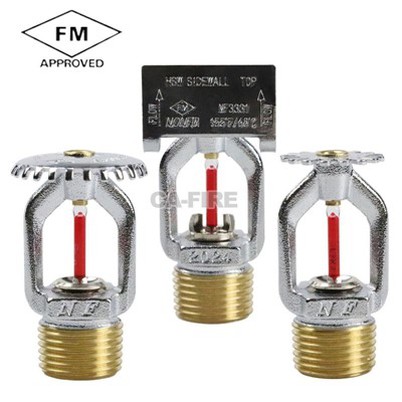
Fire sprinkler heads can be damaged by accidental impacts during construction, maintenance, or warehouse operations. Even small physical damage may weaken the sprinkler seal and eventually cause leaking.
High Water Pressure
Excessive water pressure can place stress on sprinkler pipes, fittings, and valves. Continuous high pressure may cause joints or sprinkler connections to leak over time.
Improper Installation
Incorrect installation methods, loose fittings, or poor sealing during system assembly can result in water leakage. Using incompatible components may also affect system reliability.
Freezing Temperatures
In cold environments, water inside sprinkler pipes can freeze and expand. Frozen pipes may crack or burst, leading to serious leaks once temperatures rise.
Aging Components
Like any mechanical system, fire sprinkler components wear out over time. Old gaskets, seals, and fittings may gradually deteriorate and allow water to escape.
How to Prevent Fire Sprinkler Leaks
Regular inspection and maintenance are essential for preventing sprinkler system problems. Building owners should:
Perform routine sprinkler inspections
Replace damaged sprinkler heads immediately
Monitor water pressure levels
Protect pipes from freezing temperatures
Use corrosion-resistant materials when possible
Schedule professional system maintenance
Early detection can prevent costly water damage and maintain system performance during emergencies.
When to Replace Fire Sprinkler Components
Sprinkler heads and system components should be replaced if they show signs of:
Corrosion
Rust buildup
Physical damage
Continuous dripping
Reduced performance
Expired service life
Using certified fire protection products helps improve long-term reliability and safety.
Conclusion
Fire sprinkler leaks can result from corrosion, high pressure, freezing, aging components, or accidental damage. Proper installation, regular inspection, and preventive maintenance are key to keeping sprinkler systems reliable and leak-free. A well-maintained fire sprinkler system not only protects property but also ensures effective fire protection when emergencies occur.