

When Would A Fire Hose Be Tagged For Repair?
Leave a message
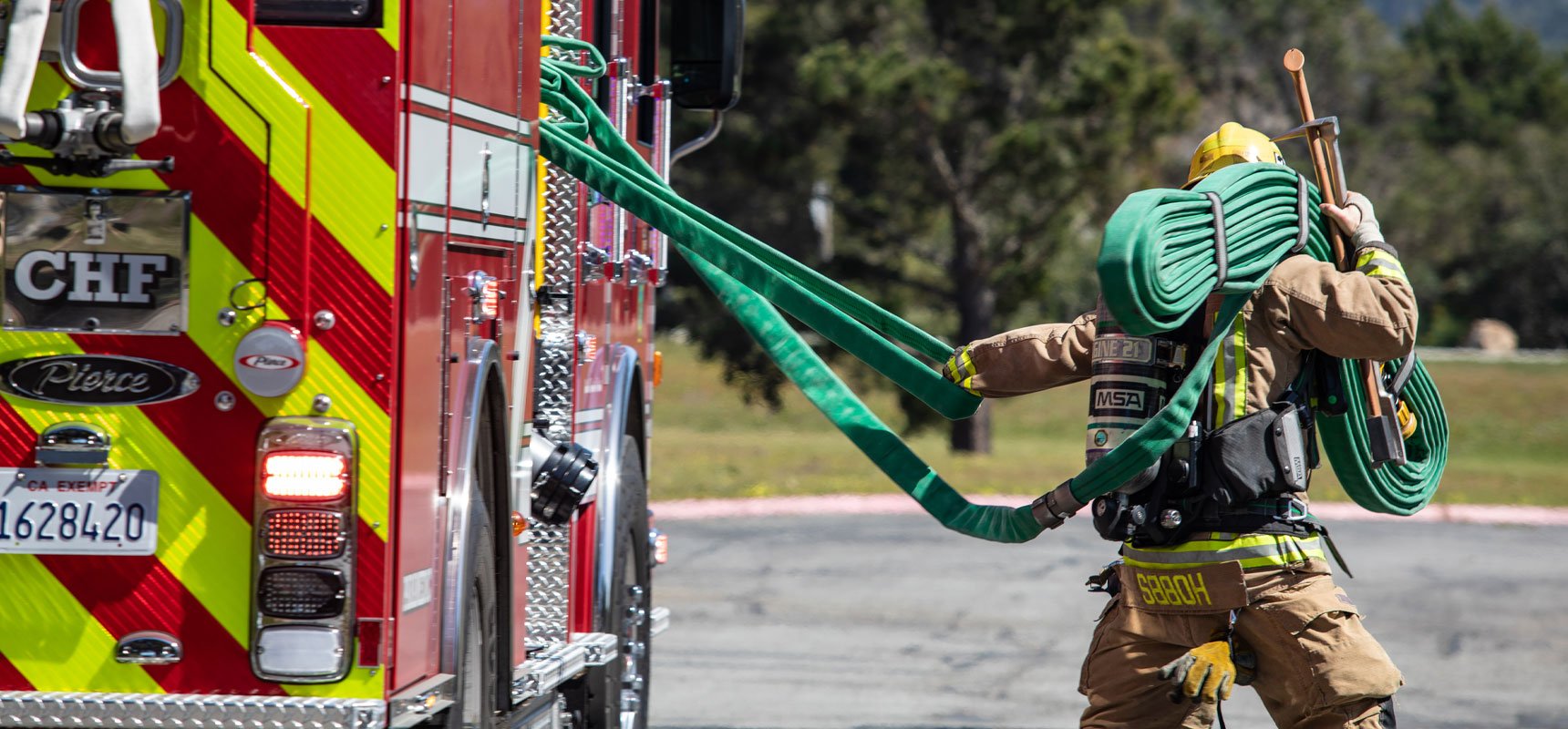
Fire hoses are mission-critical firefighting tools. Proper inspection, testing, and tagging ensure compliance with National Fire Protection Association standards and guarantee performance during emergencies. Understanding when a fire hose should be tagged for repair helps facility managers, contractors, and safety officers avoid costly violations and dangerous failures.
Understanding Fire Hose Service Tags (NFPA 1962 Standard)
According to NFPA 1962, fire hose tags follow a standardized identification system to indicate service condition:
Green Tag – Approved for Service
Hose has passed inspection and hydrostatic testing
Fully compliant and safe for use
Test information must be stenciled at both couplings
Yellow Tag – Minor Deficiency
Hose remains functional but requires corrective action
Must be repaired or resolved within 60 days
Cannot remain in service beyond that timeframe
Important Note: No Red Tags for Fire Hoses
Unlike extinguishers or alarm devices, fire hoses that fail hydrostatic testing are not red-tagged. They must be removed from service and destroyed immediately to eliminate risk.
📌 Service tags must be attached at the female coupling, with test pressure, date, and servicing license information marked at both ends.


When Does a Fire Hose Get Tagged?
1. During Scheduled Annual Inspections
NFPA 1962 requires:
Annual physical inspection
Hoses must be unracked, unrolled, and fully inspected
After inspection, hoses must be reracked differently to prevent permanent folds
2. During Required Service Testing
First hydrostatic test: 5 years after installation
Subsequent testing: Every 3 years
Any deficiency discovered during inspection or pressure testing triggers tagging or removal.
Visual Damage That Requires Tagging or Repair
The following conditions require immediate corrective action:
Cuts, cracks, abrasions, or excessive wear
Damaged couplings or threads
Corroded swivel joints
Inner tube separation near couplings
Obstructions blocking water flow
Missing or damaged hose retainers
Leaks at attachment points should be clearly marked before sending the hose for repair.
What Happens If a Hose Fails Hydrostatic Testing?
If a fire hose fails pressure testing:
It cannot be repaired and returned to service
It must be destroyed immediately
A failed hose during an active fire could cause catastrophic water loss and endanger lives.
Length & Repair Requirements
NFPA standards specify:
Repaired hoses must maintain at least 90% of original length
Example: A 50 ft hose must remain at least 45 ft after repair
If cutting out damaged sections reduces length below 90%, replacement is required
Age-Related Degradation
Fire hoses naturally deteriorate over time. The following signs indicate replacement rather than repair:
Dry rot
Cracking
Mildew
Delamination
Loss of flexibility
Older hoses with structural breakdown should not be returned to service.
The Fire Hose Repair & Retesting Process
When a tagged hose arrives at a certified facility:
Technicians verify reported defects
Evaluate if damage falls within repairable limits
Confirm adequate remaining length
Perform repair (if viable)
Conduct hydrostatic retesting
Apply new service tag with updated stencil information
All work must comply with NFPA 1962 documentation requirements.
Compliance & Recordkeeping Requirements
Service tags must include:
"DO NOT REMOVE BY ORDER OF THE STATE FIRE MARSHAL"
Servicing company name, address, phone, certificate number
Technician name, license number, and signature
Date of service (day/month/year)
Type of work performed
Facilities should maintain complete records including:
Manufacturer
Hose diameter and length
Installation date
Service history
Location within facility
Why Proper Fire Hose Tagging Matters
Correct tagging ensures:
Regulatory compliance
Equipment reliability
Reduced liability risk
Life-saving performance during emergencies
Failure to inspect or replace compromised hoses can lead to serious property damage and safety hazards.
Need Certified Fire Hose Solutions?
If you are looking for high-quality fire hoses, inspection-ready equipment, or compliant firefighting systems, contact:
CA-FIRE
🌐 Website: www.cafire-119.com
📧 Email: miki@ca-fire.com
📱 WhatsApp: +86 18160950625
Reliable firefighting equipment starts with proper maintenance - and it starts with choosing the right supplier.


