
Wet Pipe Vs Dry Pipe Sprinkler Systems: Applications & Limits
Leave a message
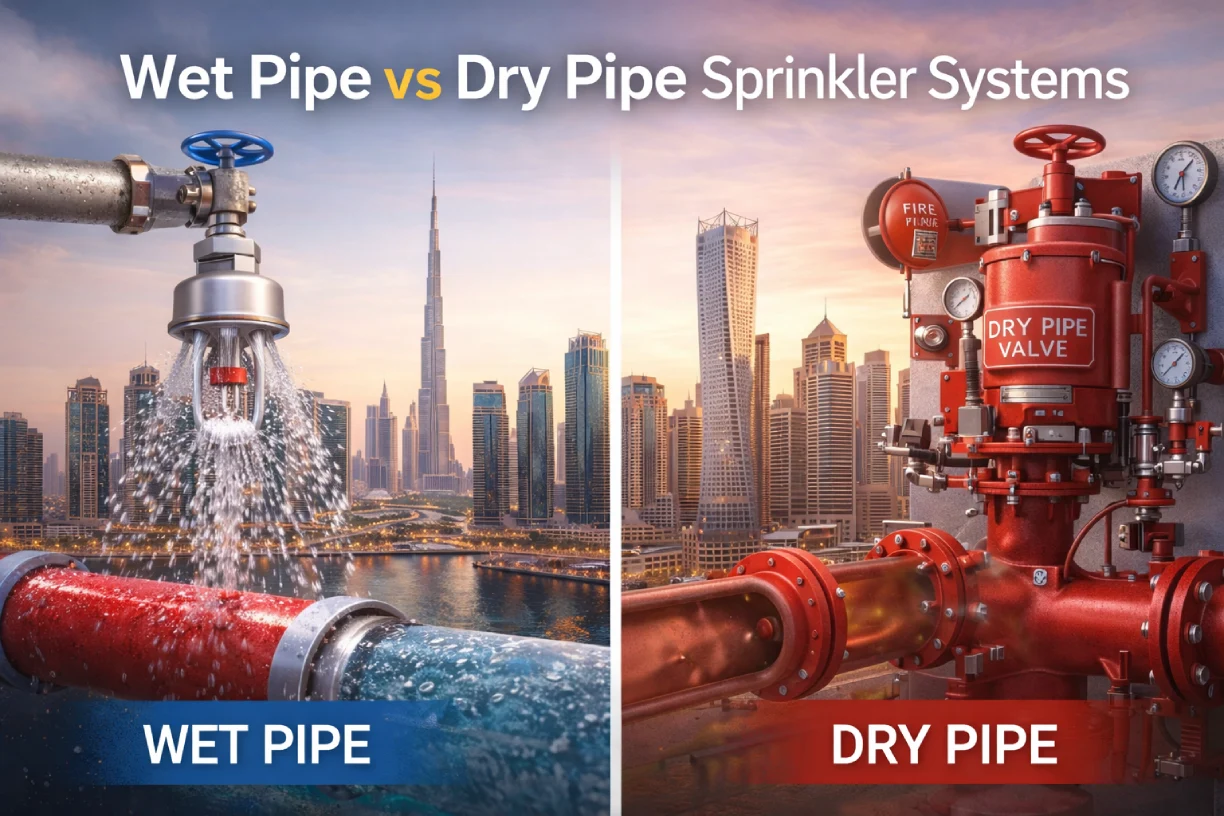
Choosing the right fire sprinkler system is critical for protecting lives and property. Among the most common options are wet pipe and dry pipe sprinkler systems. While both serve the same purpose-delivering water to suppress fire-they differ in design, operation, and suitable applications. Understanding these differences is essential for engineers, facility managers, and fire protection professionals.
Wet Pipe Sprinkler Systems
A wet pipe sprinkler system is the most widely used type. In this system, the pipes are constantly filled with pressurized water. When a sprinkler head activates due to heat, water is immediately discharged onto the fire.
Advantages:
Simple design and installation
Quick response time
Reliable and low maintenance
Cost-effective for most indoor environments
Limitations:
Not suitable for areas subject to freezing temperatures
Can cause water damage if accidental activation occurs
Typical Applications:
Offices and commercial buildings
Hospitals and schools
Warehouses in temperate climates
Dry Pipe Sprinkler Systems
In a dry pipe sprinkler system, pipes are filled with pressurized air or nitrogen instead of water. Water is held back by a dry pipe valve and only enters the pipes when a sprinkler activates.
Advantages:
Prevents pipe freezing in unheated or cold areas
Reduces risk of accidental water damage
Suitable for industrial and warehouse environments with low temperatures
Limitations:
Slower response time compared to wet pipe systems
More complex design and higher installation cost
Requires regular maintenance to ensure air pressure integrity
Typical Applications:
Cold storage facilities
Unheated warehouses and parking garages
Freezing or seasonal environments
Key Differences at a Glance
| Feature | Wet Pipe System | Dry Pipe System |
|---|---|---|
| Pipe Content | Water | Pressurized air or nitrogen |
| Response Time | Fast | Slower |
| Freeze Protection | No | Yes |
| Maintenance | Low | Higher |
| Installation Cost | Lower | Higher |
| Common Usage | Offices, hospitals, warehouses | Cold storage, unheated spaces |
Choosing the Right System
When deciding between wet and dry pipe systems, consider:
Climate: Wet pipe systems are ideal for heated spaces; dry pipe is necessary for freezing areas.
Response requirements: Wet pipe systems act immediately, while dry pipe systems have a slight delay.
Budget and maintenance: Wet pipe is simpler and cheaper; dry pipe requires more complex installation and regular checks.
In some cases, hybrid solutions such as pre-action sprinkler systems are used, combining features of both wet and dry pipe systems to meet specific safety needs.
Conclusion
Both wet and dry pipe sprinkler systems are essential components of fire protection strategies. Selecting the right type ensures fast response, reliable performance, and compliance with safety regulations. Wet pipe systems are ideal for most indoor applications, while dry pipe systems are necessary for cold or unheated spaces. Understanding their limitations and applications helps engineers and facility managers make informed decisions that protect both property and lives.