

Old Community Renovation Policy: Alarm Check Valve Configuration And Replacement Standards For Sprinkler Systems
Leave a message
As governments worldwide prioritize the safety and livability of old residential communities, the renovation of fire protection systems-especially wet-pipe fire sprinkler systems-has become a core part of urban renewal initiatives. Among the critical components requiring attention, alarm check valves play a pivotal role in ensuring fire safety, as outdated or non-compliant valves can render sprinkler systems ineffective in emergencies. This article deciphers the latest old community renovation policies, focusing on the mandatory configuration and replacement standards for alarm check valves in sprinkler systems, providing essential guidance for property managers, renovation contractors, and industry professionals.
Policy Background: Why Alarm Check Valves Are a Priority in Old Community Renovation
Many old residential communities, built decades ago, feature outdated fire sprinkler systems (if equipped) with aging alarm check valves. These valves often suffer from corrosion, clapper jamming, or insufficient alarm response, failing to meet modern fire safety codes such as NFPA 13 and local building regulations. In response, governments have issued targeted renovation policies, mandating the upgrade of fire protection facilities-with clear requirements for alarm check valve configuration and replacement-to eliminate safety hazards and protect residents' lives and property.
For example, recent policies in major regions emphasize that old community renovation projects must conduct a comprehensive inspection of existing sprinkler systems. Alarm check valves that are over 10 years old, damaged, or non-compliant with current standards must be replaced. At the same time, new configuration standards are established to ensure that each sprinkler zone is equipped with appropriate alarm check valves, aligning with the latest fire safety norms <superscript:3>.
Mandatory Configuration Standards for Alarm Check Valves in Renovated Old Communities
The latest renovation policies specify clear configuration rules for alarm check valves, which vary slightly by region but follow core industry standards such as NFPA 13 and local building codes. Key requirements include:
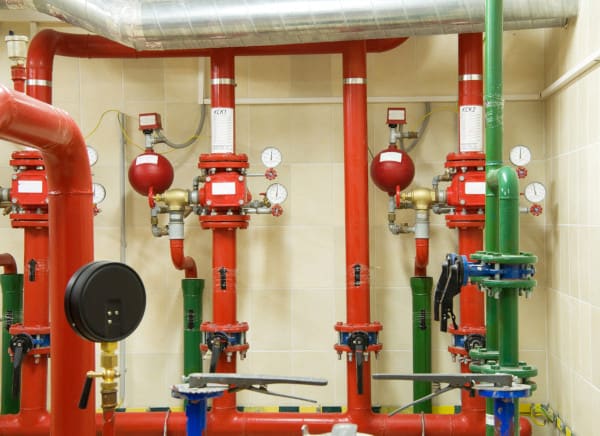
Zone-Based Configuration: Each independent wet-pipe sprinkler zone in the community must be equipped with at least one alarm check valve. For large communities or buildings with multiple fire zones (e.g., high-rises, buildings with mixed commercial-residential use), a separate alarm check valve is required for each hydraulic zone to ensure independent alarm triggering and water flow control <superscript:1>.
Pressure Monitoring Requirements: Pressure gauges must be installed on both the supply side and system side of each alarm check valve to monitor static and dynamic pressure in real time. This ensures timely detection of pressure anomalies, such as leaks or blockages, and complies with NFPA 13's requirements for pressure monitoring at critical valve locations <superscript:4>.
Alarm Device Integration: Each alarm check valve must be connected to a reliable alarm system, such as a water motor gong (mechanical) or pressure switch (electrical), which sends signals to the community's fire control panel or local fire department. This ensures that water flow in the sprinkler system-triggered by a fire-immediately alerts relevant personnel<superscript:9>.
Installation Location: Alarm check valves must be installed in accessible, well-ventilated areas (e.g., sprinkler riser rooms) to facilitate regular inspection, testing, and maintenance. They should be protected from extreme temperatures and physical damage, and placed near the main water supply entrance of the sprinkler system <superscript:1>.
Replacement Standards: When and How to Replace Alarm Check Valves
Old community renovation policies clearly define scenarios where alarm check valves must be replaced, as well as technical standards for replacement to ensure system reliability and code compliance:
1. Mandatory Replacement Scenarios
Valves that have been in service for more than 10 years, or those with visible corrosion, leakage, or structural damage (e.g., cracked valve bodies, worn clappers).
Valves that fail annual performance tests-such as failure to trigger alarms, inability to prevent backflow, or poor pressure retention. According to NFPA 25, sprinkler system components, including alarm check valves, require regular testing to ensure functionality <superscript:7>.
Valves that do not meet current code requirements (e.g., lack of retarding chambers to prevent false alarms, or insufficient pressure ratings). For example, valves not certified by UL/FM or not compliant with local CCC certification standards for fire products <superscript:6>.
Valves in systems undergoing comprehensive renovation, even if not yet faulty, to ensure long-term reliability and avoid future maintenance issues.
2. Replacement Technical Standards
Material and Quality: Replacement alarm check valves must be made of corrosion-resistant materials (e.g., ductile iron or stainless steel) to adapt to the humid environment of sprinkler systems. They must be certified by recognized authorities (UL, FM, or local certification bodies) to ensure compliance with fire safety standards <superscript:6>.
Compatibility: The new valve must match the size and pressure rating of the existing sprinkler system. For example, large-scale community projects may require butterfly-style alarm check valves for lower pressure loss, while standard residential buildings can use clapper-type valves for reliability <superscript:1>.
Installation and Testing: Replacement must be carried out by licensed fire protection contractors. After installation, a full system test is required-including alarm activation, backflow prevention, and pressure stability-to ensure the valve functions correctly. This aligns with the construction and acceptance standards outlined in GB50261-2017 (Code for Construction and Acceptance of Building Fire Facilities) <superscript:1>.
Prohibition of Reconditioned Valves: Reconditioned alarm check valves are not permitted for replacement in renovation projects, as they may have hidden defects that compromise system safety. Only new, certified valves meeting current standards are allowed <superscript:8>.
Policy Compliance and Industry Implications
For property managers and renovation contractors, complying with alarm check valve configuration and replacement standards is not only a legal requirement but also a key responsibility for ensuring resident safety. Failure to meet these standards may result in project acceptance failure, fines, or even liability in the event of a fire.
For the fire protection industry, the old community renovation policy creates significant opportunities for manufacturers of compliant alarm check valves and professional service providers. It also promotes the popularization of intelligent alarm check valves, which integrate IoT technology for remote monitoring and fault early warning-further enhancing the reliability of fire sprinkler systems in old communities.
Conclusion
The configuration and replacement of alarm check valves are critical links in the fire protection system renovation of old communities. As policies continue to tighten, adhering to mandatory standards-including zone-based configuration, certified valve selection, and professional installation-is essential to upgrading fire safety levels. By following these standards, old communities can eliminate potential fire hazards, protect residents' lives and property, and achieve the core goals of urban renewal.
Industry professionals should stay updated on the latest policy adjustments and technical standards, ensuring that renovation projects meet both regulatory requirements and practical safety needs. For property managers, proactive inspection and timely replacement of outdated alarm check valves will lay a solid foundation for long-term fire safety in old communities.


