

How To Open A Fire Hydrant Valve Safely And Correctly
Leave a message
Opening a fire hydrant valve correctly is essential to ensure proper water flow, equipment safety, and effective firefighting operations. Incorrect operation can cause water hammer, valve damage, or safety hazards. This guide explains the correct steps, tools, and precautions for opening a fire hydrant valve during emergency use or routine testing.
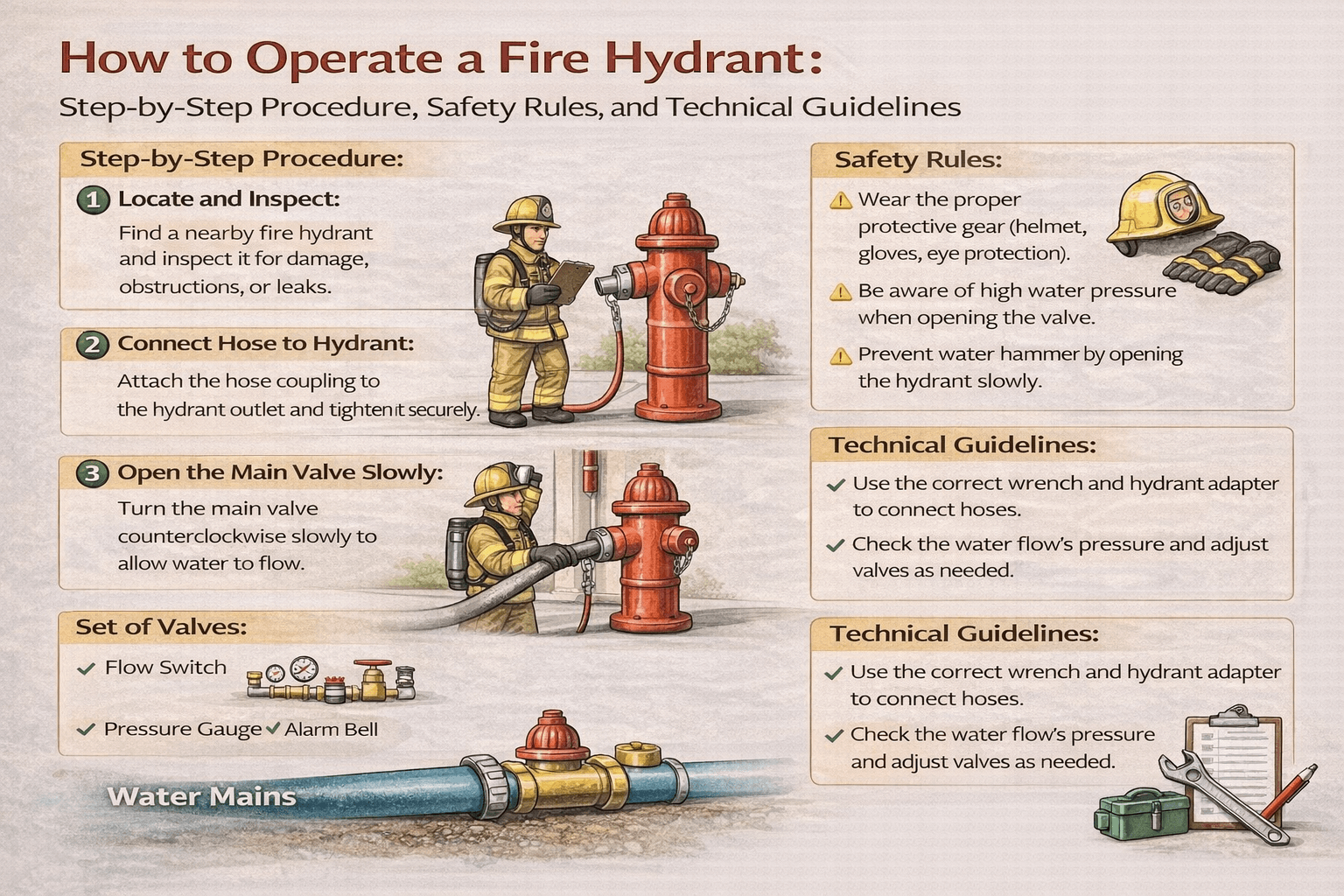
What Is a Fire Hydrant Valve?
A fire hydrant valve is the internal control mechanism that regulates water flow from the municipal or private fire water supply to the hydrant outlet. It is designed to remain fully closed or fully open, ensuring reliable performance under high pressure during firefighting operations.
Tools Required to Open a Fire Hydrant Valve
Before opening a fire hydrant, make sure you have the proper tools:
Fire hydrant wrench or operating key
Hose and coupling (if water discharge is required)
Personal protective equipment (gloves, safety boots)
Using the correct wrench prevents damage to the operating nut and valve stem.
Step-by-Step Guide: How to Open a Fire Hydrant Valve
Step 1: Inspect the Hydrant
Check the hydrant for visible damage, leaks, or obstructions. Ensure the outlet caps are secure and the surrounding area is clear.
Step 2: Attach Hose or Direct Outlet
Remove the outlet cap and connect the fire hose if needed. Always direct the outlet away from people, vehicles, or structures.
Step 3: Open the Valve Slowly
Turn the operating nut counterclockwise using the hydrant wrench. Open the valve slowly to prevent sudden pressure surges (water hammer).
Step 4: Fully Open the Valve
Continue turning until the valve is fully open. Fire hydrant valves are designed to operate either fully open or fully closed-partial opening can cause internal damage.
Step 5: Monitor Water Flow
Check for steady pressure, leaks, or abnormal vibrations during operation.
Important Safety Precautions
Never stand directly in front of the outlet when opening
Do not open the valve rapidly
Avoid operating a damaged or frozen hydrant
Always close the valve slowly after use
Following these precautions helps extend hydrant service life and ensures operational safety.
Common Mistakes to Avoid
Opening the valve too quickly
Leaving the valve partially open
Using improper tools
Failing to check drainage after closing
These mistakes can lead to valve failure, leakage, or system contamination.
Fire Hydrant Valve Operation Standards
Fire hydrant operation typically follows requirements outlined in standards such as:
NFPA fire protection guidelines
Local fire authority regulations
Municipal water supply standards
Proper operation ensures compliance and system reliability during inspections and emergencies.
Conclusion
Knowing how to open a fire hydrant valve correctly is critical for safe firefighting, system testing, and maintenance. Using the right tools, following correct procedures, and observing safety precautions ensures reliable water delivery while protecting equipment and personnel.
Contact Us
For more information about fire hydrants, fire suppression valves, or other fire protection products, please contact us:
🌐 Website: www.cafire-119.com
📧 Email: miki@ca-fire.com
📱 WhatsApp: +86 18160950625
Our team is ready to support you with product selection, technical guidance, and project solutions for fire protection systems worldwide.


