
How To Hold Fire Hose Nozzle: Proper Techniques For Safe And Effective Firefighting
Leave a message
Why Proper Nozzle Handling Matters


A charged fire hose operates under high pressure. Reaction force from the nozzle can be strong, especially in large-diameter or high-flow systems. Incorrect posture may lead to:
Loss of balance
Reduced spray accuracy
Increased fatigue
Potential injuries
With growing focus on firefighter safety standards worldwide, correct hose handling techniques remain a priority topic in fire industry training programs.
Basic Techniques: How to Hold a Fire Hose Nozzle
1. Maintain a Stable Stance
Stand with feet shoulder-width apart.
Place one foot slightly forward.
Bend knees slightly for balance.
Keep your center of gravity low.
This stance helps absorb nozzle reaction force.
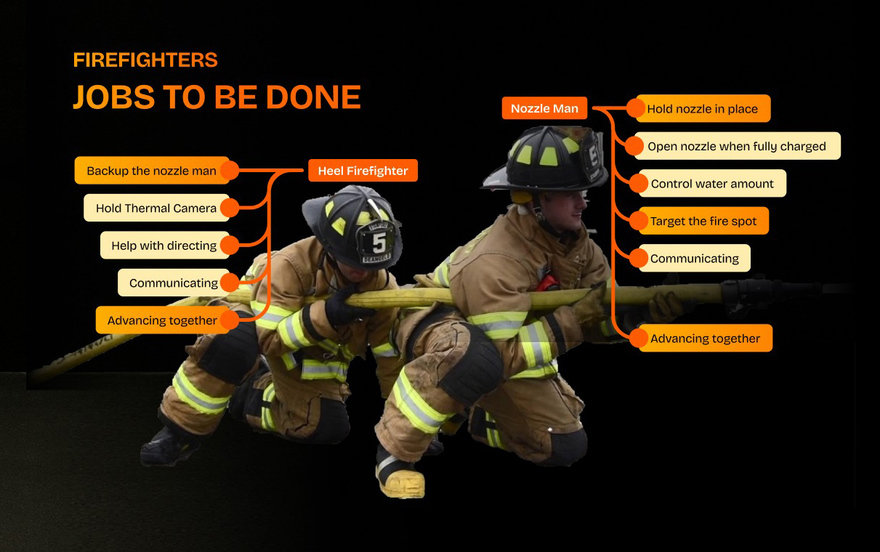
2. Use a Two-Person Team When Necessary
For high-pressure or large-flow nozzles:
The nozzle operator controls direction and pattern.
The backup firefighter supports the hose line behind the operator.
Team coordination improves control and reduces strain.
3. Grip Position
One hand firmly grips the nozzle handle or bale.
The other hand supports the hose behind the nozzle.
Keep arms slightly bent, not fully extended.
Avoid locking elbows, as this increases injury risk.
4. Control the Nozzle Reaction Force
Nozzle reaction force increases with higher pressure and flow rate. Operators should:
Open the nozzle gradually.
Adjust spray pattern smoothly.
Brace the hose against the body or hip when necessary.
Modern adjustable fog nozzles are designed to reduce reaction force while maintaining effective coverage.
Straight Stream vs Fog Pattern Handling
Different spray patterns require different control methods:
Straight Stream:
Provides maximum reach and penetration.
Requires firm forward control due to concentrated pressure.
Fog Pattern:
Creates a wider spray angle.
Slightly reduces reaction force but requires steady wrist control.
Fire departments often train operators to switch patterns quickly depending on fire conditions.
Industry Trends: Ergonomic Nozzle Design
In recent years, manufacturers have introduced:
Lightweight aluminum or composite nozzles
Ergonomic pistol-grip designs
Adjustable flow-rate systems
These innovations aim to reduce fatigue and improve handling efficiency, particularly in long-duration firefighting operations.
Safety Reminders from Fire Protection Experts
Always check hose coupling connections before charging the line.
Communicate clearly with the pump operator.
Never stand directly in front of the hose line during charging.
Wear full protective equipment during operation.
Training and regular drills remain essential for safe hose management.
Conclusion
Understanding how to hold a fire hose nozzle correctly improves firefighting efficiency, enhances safety, and reduces injury risk. As fire safety standards continue evolving globally, proper hose control training and ergonomic equipment selection remain key industry focuses.
For professional fire protection equipment and hose solutions:
CA-FIRE
🌐 Website: www.cafire-119.com
📧 Email: miki@ca-fire.com
📱 WhatsApp: +86 18160950625