

How Do Fire Hydrants Not Freeze?
Leave a message
Fire hydrants are designed to operate reliably even in freezing temperatures. Many people wonder, how do fire hydrants not freeze during winter? The answer lies in smart engineering, proper installation depth, and automatic drainage systems. In cold regions, hydrants are specifically built to prevent water from remaining in exposed areas where it could freeze and cause damage.
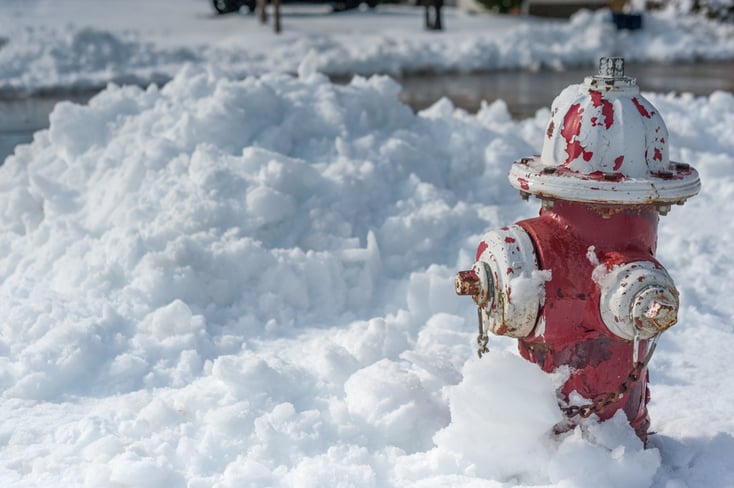
The Role of Dry Barrel Hydrants in Cold Weather
In areas where temperatures drop below 0°C (32°F), municipalities install dry barrel fire hydrants. These hydrants are specially designed to prevent freezing.
The key difference between dry barrel and wet barrel hydrants is the valve location. In dry barrel hydrants, the main control valve is located underground, below the frost line. The frost line is the depth at which soil does not freeze during winter. By positioning the valve below this level, water remains in a warmer, protected environment.
Automatic Drainage System Prevents Ice Formation
Another reason fire hydrants do not freeze is their built-in drainage mechanism.
When the hydrant is opened:
The underground valve lifts.
Water flows upward into the barrel.
When the hydrant is closed:
The main valve shuts off below ground.
A small drain valve automatically opens.
Water inside the above-ground barrel drains into the surrounding soil.
Because no water remains inside the exposed barrel, there is nothing to freeze. This simple but effective design is the primary reason dry barrel hydrants function reliably in winter.
Why Wet Barrel Hydrants Can Freeze
Wet barrel hydrants are constantly filled with water. Their main valves are located above ground, and water remains inside the barrel at all times. If installed in freezing climates, the trapped water could freeze, expand, and crack the hydrant body.
For this reason, wet barrel hydrants are typically installed only in warm or frost-free regions.
Additional Freeze Prevention Measures
Besides using dry barrel hydrants, cities also apply additional protection methods:
Installing hydrants below the local frost depth
Ensuring proper gravel drainage around the base
Conducting routine inspections before winter
Flushing hydrants to confirm proper drainage
If the drain port becomes blocked by debris or soil, water may remain inside and freeze. Regular maintenance is essential to ensure proper operation.
What Happens If a Fire Hydrant Freezes?
If a hydrant freezes, it may:
Become difficult or impossible to open
Develop cracks in the barrel
Fail to supply water during emergencies
This can create serious safety risks. That is why correct hydrant selection and professional installation are critical in cold climates.
Conclusion
So, how do fire hydrants not freeze? The answer is smart design. Dry barrel hydrants prevent freezing by placing the main valve below the frost line and automatically draining water from the exposed barrel after each use. Combined with proper installation and maintenance, this system ensures reliable fire protection even in severe winter conditions.
For professional fire hydrant solutions:
🌐 Website: www.cafire-119.com
📧 Email: miki@ca-fire.com
📱 WhatsApp: +86 18160950625
CA-FIRE – Professional Fire Protection Equipment Manufacturer.


