
Global Warehouse Expansion Increases Demand For Modern Fire Protection
Leave a message
The rapid expansion of e-commerce, third-party logistics services, and global supply chains is transforming the warehousing industry. Around the world, developers are constructing larger distribution centers and high-bay storage facilities to meet increasing consumer demand and improve operational efficiency. While these modern warehouses offer significant business advantages, they also present new fire protection challenges.
As storage capacities grow and building heights increase, facility owners are placing greater emphasis on advanced fire protection systems capable of addressing the unique risks associated with high-piled storage environments.

Warehouses Are Getting Bigger and Taller
Modern logistics facilities are significantly different from traditional warehouses. Many new distribution centers feature:
- Storage heights exceeding 12 meters (40 feet)
- Automated storage and retrieval systems (ASRS)
- High-density rack storage
- Increased use of plastic packaging materials
- Continuous 24-hour operations
These factors can contribute to more complex fire scenarios. Higher storage configurations and combustible commodities may allow fires to spread rapidly if not controlled at an early stage.
As a result, warehouse fire protection design has become a critical consideration during project planning and construction.
Increasing Demand for Advanced Sprinkler Systems
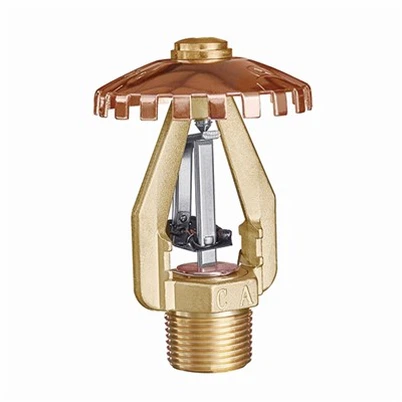
One of the most important developments in warehouse fire protection is the widespread adoption of Early Suppression Fast Response (ESFR) sprinkler technology.
ESFR sprinklers are designed to suppress fires in their early stages by delivering large volumes of water directly to the fire plume. Compared with conventional sprinkler systems, ESFR technology can often eliminate the need for in-rack sprinklers while providing effective protection for a wide range of storage configurations.
The growing use of ESFR systems is particularly evident in:
- E-commerce fulfillment centers
- Logistics hubs
- Distribution warehouses
- Manufacturing storage facilities
- Cold storage warehouses
Industry professionals continue to recognize ESFR technology as an effective solution for protecting high-piled storage environments.
Fire Monitors Enhance Protection for Large Facilities
In addition to sprinkler systems, many large industrial and logistics facilities are incorporating fire monitors into their fire protection strategies.
Fire monitors provide high-capacity water delivery and can be deployed to protect:
- Loading docks
- Exterior storage yards
- Container handling areas
- Hazardous material storage zones
- Large industrial buildings
Manual, electric, and remote-controlled fire monitors are increasingly being used to improve firefighting capabilities in facilities with extensive footprints.
Their ability to deliver water over long distances makes them particularly valuable in large-scale warehouse complexes.
Smart Monitoring Technologies Gain Popularity
Digital transformation is also influencing warehouse fire protection.
Intelligent monitoring systems allow facility managers to continuously monitor critical fire protection equipment, including:
- Sprinkler system control valves
- Alarm valves
- Water tanks
- Fire pumps
- Fire hydrant networks
- Fire monitors
Real-time monitoring helps maintenance teams identify abnormal conditions before they become serious problems. This proactive approach can improve system reliability while reducing maintenance costs and unplanned downtime.
As warehouses become increasingly automated, the demand for connected fire protection solutions is expected to continue growing.
Regulatory Compliance Remains a Priority
Fire safety regulations and insurance requirements are evolving alongside warehouse design trends.
Project developers, contractors, and facility owners must ensure that fire protection systems comply with applicable standards and local regulations. Factors commonly considered during warehouse fire protection design include:
- Commodity classification
- Storage height
- Building height
- Water supply availability
- Sprinkler performance requirements
- Emergency access considerations
Proper system design helps reduce fire risks while supporting operational continuity and regulatory compliance.
Looking Ahead
The global warehouse sector is expected to continue expanding as e-commerce, manufacturing, and logistics activities grow. At the same time, fire protection requirements will become increasingly sophisticated.
Advanced sprinkler technologies, fire monitors, intelligent monitoring systems, and integrated fire protection solutions will play a vital role in protecting modern warehouse facilities. By investing in reliable fire protection infrastructure, facility owners can better safeguard personnel, inventory, and business operations while meeting the demands of a rapidly evolving industry.
Conclusion
The growth of global warehousing is creating new opportunities and challenges for fire protection professionals. Larger facilities, higher storage densities, and greater automation are driving demand for modern fire protection technologies. As warehouse construction continues worldwide, effective fire safety planning will remain essential for ensuring operational resilience and protecting valuable assets.