
Warehouse Fire Risks Increase As Logistics Facilities Become More Automated
Leave a message
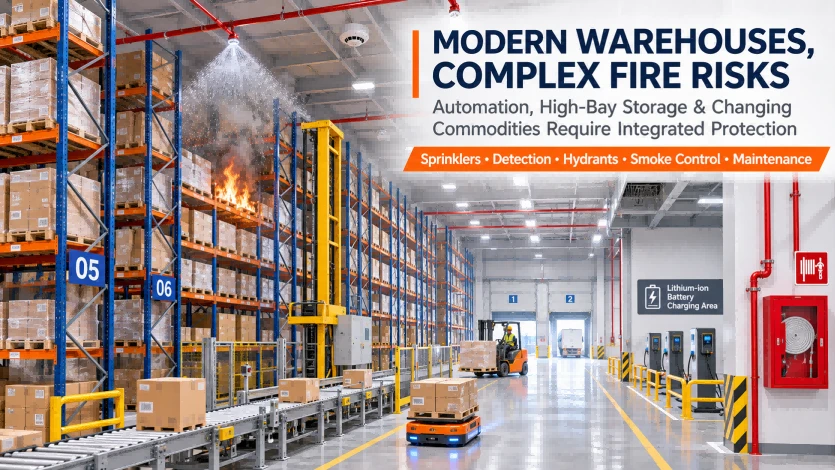
As warehouses become taller and more automated, fire protection challenges are becoming increasingly complex. A recent industry report published on November 3, 2026, highlights the growing fire risks facing modern warehousing and logistics facilities.
According to ASP Fire CEO Michael van Niekerk, high-bay racking, automated storage and retrieval systems, lithium-ion-powered handling equipment and combustible packaging materials are creating new challenges for warehouse operators.
Key Fire Risks in Modern Warehouses
High-rack storage can allow flames and hot gases to spread vertically, while densely packed goods may restrict firefighters' access to the fire area.
Different stored commodities, including plastics, chemicals, fuels and lithium-ion batteries, also have different fire characteristics and may require specific protection strategies.
Loading bays, forklifts and battery charging areas introduce additional potential ignition sources.
Integrated Fire Protection Is Essential
The report emphasizes that effective warehouse fire protection requires multiple measures working together, including:
Automatic sprinkler systems: Help control or suppress developing fires.
Fire detection and alarm systems: Support early warning and emergency response.
Fire hydrant installations: Provide water access for firefighting operations.
Smoke control and compartmentation: Help limit smoke movement and fire spread.
Inspection and maintenance: Help ensure equipment remains operational.
Fire Protection Must Adapt to Warehouse Changes
Warehouse layouts, storage heights and inventory types can change over time. These changes may affect the original fire protection strategy and should trigger a review of system suitability.
For warehouse developers, operators and fire protection contractors, equipment selection should be based on actual storage conditions, fire hazards, applicable standards and project requirements.
As logistics facilities continue to evolve, regular risk assessments and properly maintained fire protection systems remain essential for protecting people, property and business continuity.