

Fire Protection System Reliability in Modern Buildings: Why Testing Standards Are Becoming Stricter
Leave a message
In recent years, fire protection system reliability has become a major focus in global building safety regulations. As urban buildings grow taller and industrial facilities become more complex, authorities are introducing stricter testing and inspection requirements for fire protection systems.
From fire sprinklers and valves to hydrants and pump systems, every component must now meet higher performance expectations under real emergency conditions.
1. Why Reliability Is Now a Top Priority
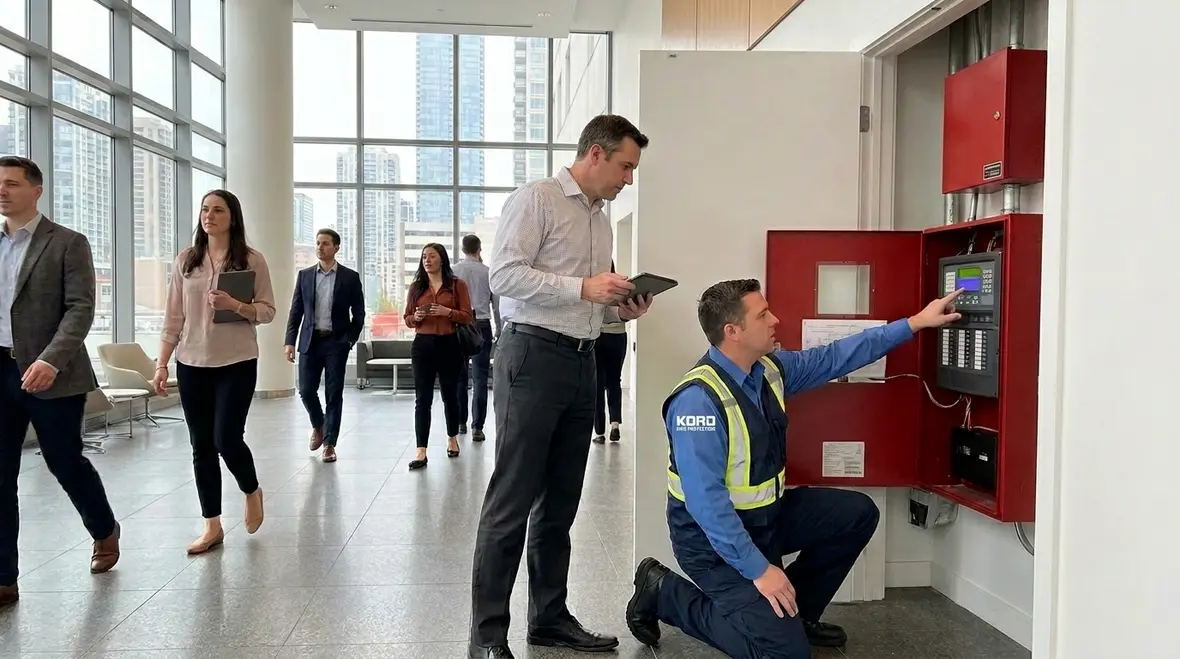
Modern fire incidents have shown that system failure is often caused not by design issues, but by poor maintenance or insufficient testing. As a result, fire safety regulators are emphasizing system reliability over installation alone.
Key concerns include:
Delayed sprinkler activation
Pressure loss in piping systems
Valve malfunction during emergencies
Blocked or corroded pipelines
These risks highlight the importance of continuous system validation.
2. More Frequent Pressure and Flow Testing Requirements
Many regions are updating fire safety codes to require more frequent testing of fire protection systems.
Typical inspections now include:
Annual sprinkler system testing
Regular valve operation checks
Fire pump performance verification
Hydrant flow testing
These tests ensure that the system can deliver stable water supply under full emergency load conditions.
3. Material Durability Is Under Greater Scrutiny
Another major trend is increased attention to material performance. Fire protection components must now withstand long-term pressure, corrosion, and environmental exposure.
This is especially important for:
High-rise building systems
Industrial plants
Offshore and marine environments
Cold storage warehouses
Manufacturers are focusing more on corrosion-resistant materials and improved sealing technologies.
4. Integration with Building Management Systems (BMS)
Fire protection systems are increasingly being integrated into building automation platforms. This allows real-time monitoring of:
System pressure levels
Valve status
Pump operation
Alarm activation
This integration improves response speed and reduces the risk of unnoticed system failures.
5. Shift Toward Preventive Maintenance Strategy
Instead of reactive repairs, the industry is shifting toward preventive maintenance models. Building operators now schedule maintenance based on performance data rather than waiting for system failure.
Benefits include:
Lower long-term repair costs
Higher system uptime
Improved safety compliance
Reduced emergency risk
This approach is becoming a global best practice.
Conclusion
Fire protection system reliability is no longer just a design requirement-it is a continuous operational responsibility. With stricter global standards and increasing system complexity, regular testing, advanced monitoring, and preventive maintenance are essential for ensuring life safety and property protection.
Contact CA-FIRE
CA-FIRE provides certified fire protection solutions including sprinklers, valves, hydrants, and complete system components for global fire safety applications.
🌐 Website: https://www.cafire-119.com/
📧 Email: miki@ca-fire.com
📱 WhatsApp: +86 18160950625


