
Fire Protection in The Age Of Sustainable Construction: How Green Building Is Reshaping Fire Safety Standards
Leave a message
The Sustainability Imperative in Modern Construction
The global green building market is expanding rapidly, driven by regulatory mandates, corporate ESG commitments, and rising public awareness of climate change. In this context, every building system-including fire protection-must align with sustainability goals. Traditional fire suppression methods, while effective for life safety, often carry significant environmental costs: excessive water usage, chemical contamination, energy-intensive manufacturing, and non-recyclable materials.
Sustainable fire protection aims to:
Minimize environmental impact during installation and operation
Use eco-friendly materials and suppression agents
Reduce water and energy consumption
Comply with green building certifications like LEED
Support long-term building resilience and circular economy principles
Water Efficiency: The New Priority in Fire Suppression
The Water Problem with Traditional Sprinklers
Water is the most common fire suppression agent, but traditional sprinkler systems can be surprisingly wasteful. A single standard sprinkler head can discharge up to 15 gallons (57 liters) per minute. In fires where multiple heads activate-which occurs in 38% of sprinkler-activated incidents-five to ten heads may operate simultaneously, flooding structures with thousands of gallons of water. This creates substantial clean-up costs, property damage, and environmental burden from contaminated runoff.
Water Mist Systems: Up to 90% Less Water
Water mist technology represents the most significant advancement in sustainable fire suppression. These systems discharge water as ultra-fine droplets-typically smaller than 200 microns-that absorb heat and displace oxygen far more efficiently than conventional sprinklers.
Key benefits include:
Up to 90% reduction in water usage compared to traditional sprinklers
Minimal water damage to property and sensitive equipment
No harmful by-products or chemical residues
Suitability for data centers, museums, archives, and heritage buildings
Rapid cooling effect that interrupts the fire triangle (heat, oxygen, fuel)
High-pressure water mist (HPWM) systems are gaining particular traction in the United States as businesses navigate changing regulations, environmental concerns over PFAS-based chemicals, and the push for LEED and ESG compliance.
Water-Efficient Sprinkler Design
Even conventional wet pipe systems are evolving. Modern sprinkler heads feature:
Targeted discharge patterns that focus water only on fire-affected areas
Reduced flow rates while maintaining NFPA 13 compliance
Quick-response elements that activate faster, suppressing fires before they spread and reducing total water demand
Studies show that well-designed sprinkler systems can reduce the amount of water used to fight a fire by as much as 90% compared to uncontrolled hose streams, while simultaneously minimizing water damage and contaminated runoff.
The Fluorine-Free Foam Revolution
The PFAS Crisis in Firefighting Foam
For decades, aqueous film-forming foam (AFFF) containing per- and polyfluoroalkyl substances (PFAS) was the gold standard for flammable liquid fire suppression. However, PFAS-known as "forever chemicals"-persist indefinitely in the environment, contaminate groundwater, and are linked to serious health conditions including cancer. The environmental and legal consequences have been severe: AFFF lawsuits have reached nearly 10,000 claims, with manufacturers paying billions in settlements.
Global Regulatory Shift
The transition away from PFAS-based foam is now mandatory across major jurisdictions:
| Region | Regulation | Timeline |
|---|---|---|
| United States | DoD MILSPEC fluorine-free foam requirement; AIM Act phase-down | 2024 (military); ongoing (commercial) |
| European Union | ECHA proposed EU-wide PFAS restriction in firefighting foams | Under review |
| United Nations | UNEP/ICAO FIRE project: $82.5M initiative to eliminate PFAS foams at airports in Egypt, Ethiopia, Kenya, Nigeria, South Africa | Launched August 2025 |
| United Kingdom | Cheshire Fire & Rescue and other agencies transitioning to fluorine-free foam | Completed 2025–2026 |
Fluorine-Free Foam (F3) Performance
The global firefighting foam market-valued at USD 5.9 billion in 2025 and projected to reach USD 7.7 billion by 2035-is rapidly shifting toward fluorine-free alternatives.
Major developments in 2025–2026 include:
Perimeter Solutions launched SOLBERG SPARTAN 1% fluorine-free Class A/B foam and SOLBERG EVOLUTION 3% SFFF with FM approval and ICAO certification
Cross Plains Solutions developed SoyFoam™, a plant-based PFAS-free foam awarded the 2025 Green Chemistry Challenge Award
U.S. Air Force allocated $8.55 million to purchase 270,000+ gallons of fluorine-free formulation (F3), replacing AFFF across military installations
However, researchers note that current F3 formulations do not yet match AFFF performance in every application. The U.S. National Research Council emphasizes that further development is needed to achieve equivalent fire suppression while ensuring environmental safety.
For manufacturers and specifiers, the transition requires careful evaluation of foam performance, compatibility with existing equipment, and thorough system cleaning to prevent PFAS contamination of new foam.
Clean Agent Systems: Chemical-Free Protection
For environments where water damage is unacceptable-data centers, server rooms, medical facilities, and museums-clean agent suppression systems offer a sustainable alternative to both water and foam.
Inert Gas Systems
Gases such as nitrogen, argon, and IG-541 (a blend of nitrogen, argon, and CO₂) suppress fires by reducing oxygen concentration to a level that extinguishes combustion while remaining safe for human occupancy. These systems:
Leave zero residue after discharge
Are non-toxic and environmentally neutral
Have zero ozone depletion potential (ODP) and zero global warming potential (GWP)
Are safe for occupied spaces when properly designed
FK-5-1-12 (Novec 1230)
This fluorinated ketone offers effective suppression with minimal environmental impact:
GWP of 1 (compared to HFC-227ea's GWP of 3,220)
Atmospheric lifetime of 5 days (vs. HFCs' lifetimes of decades)
No residue, safe for sensitive electronics
However, the EU's F-Gas Regulation (EU 2024/573) and the U.S. AIM Act are accelerating phase-downs of high-GWP fluorinated gases, pushing the industry toward inert gas and water-mist alternatives where feasible.
Sustainable Materials in Fire Protection Equipment
Manufacturing and Sourcing
The environmental impact of fire protection extends beyond system activation to encompass the entire product lifecycle:
| Aspect | Sustainable Approach |
|---|---|
| Raw Materials | Recycled brass and stainless steel; reduced virgin metal content |
| Corrosion Resistance | Advanced coatings and stainless steel components extending equipment lifespan |
| Manufacturing Energy | Solar-powered production facilities; renewable energy integration |
| Packaging | Recyclable and biodegradable packaging materials |
| End-of-Life | Design for disassembly; component recycling programs |
Recycled Water for Fire Protection
Some advanced systems now operate on greywater or rainwater rather than potable water, reducing strain on municipal water supplies and aligning with LEED water efficiency credits.
Green Building Certification Integration
LEED and Fire Protection
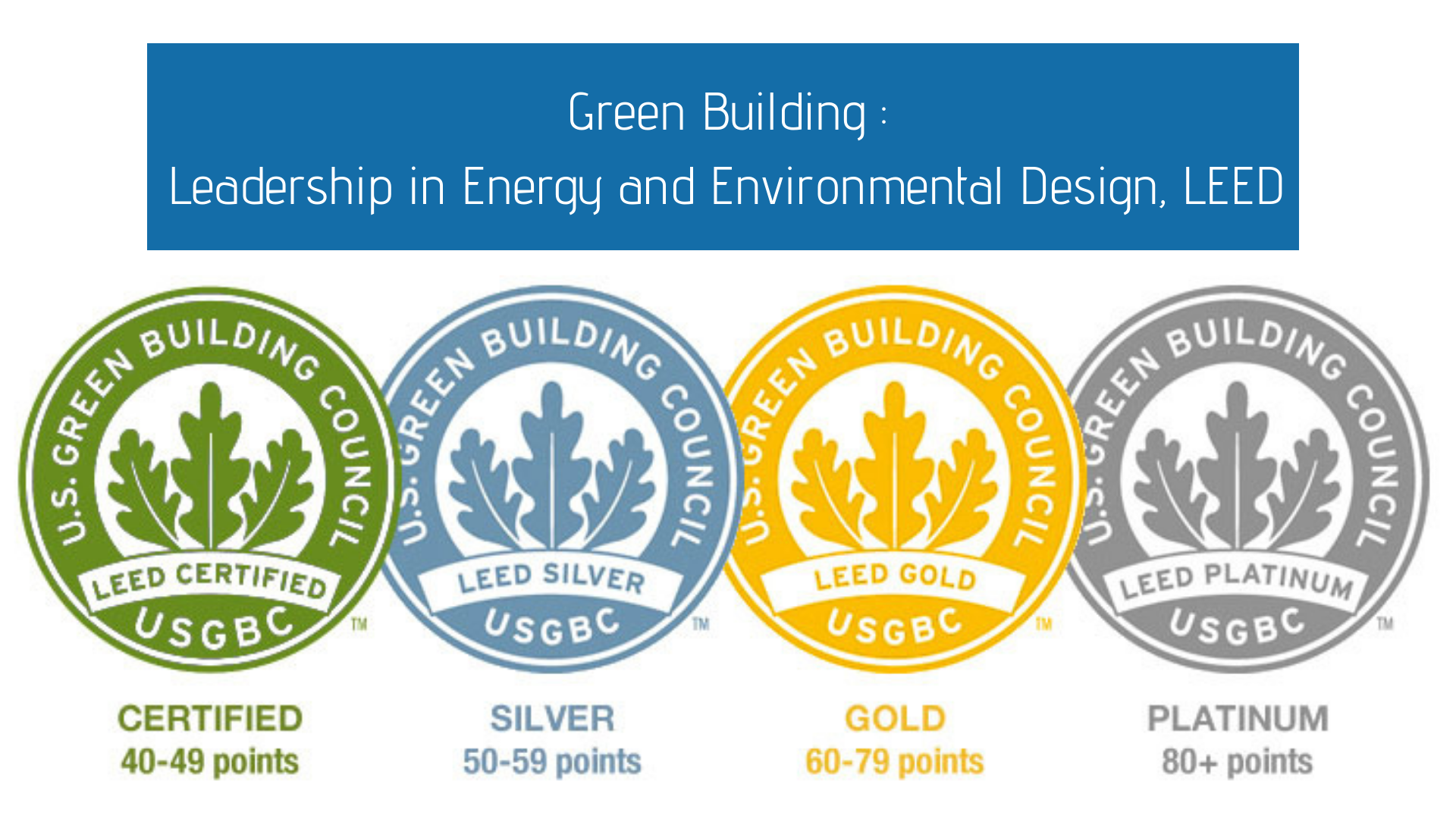
LEED certification (Leadership in Energy and Environmental Design) directly influences fire protection system design through several credit categories:
Water Efficiency (WE): Water mist systems and efficient sprinklers contribute to reduced water use credits
Energy and Atmosphere (EA): Energy-efficient fire pumps and renewable-powered monitoring systems reduce greenhouse gas emissions
Materials and Resources (MR): Use of recycled content and sustainable materials in fire protection equipment
Indoor Environmental Quality (IEQ): Low-emitting materials; clean agents that leave no residue or air quality impact
Innovation (IN): Adoption of predictive maintenance, smart monitoring, and novel sustainable technologies
The Canada Green Building Council and similar bodies worldwide are integrating fire suppression water efficiency into their green building strategies, recognizing that every system must contribute to net-zero goals.
Smart and Predictive: The Digital Dimension of Sustainable Fire Protection
Sustainability is not only about materials and suppression agents-it is also about operational efficiency. Modern smart fire protection systems integrate:
IoT sensors for real-time temperature, smoke, and system pressure monitoring
Cloud-based analytics for early risk detection and predictive maintenance
Automated diagnostics that identify leaks, corrosion, or component degradation before failure
Remote monitoring platforms that reduce unnecessary service trips and optimize maintenance schedules
These capabilities extend equipment lifespan, prevent water waste from undetected leaks, and reduce the carbon footprint of maintenance operations. Industry data shows that nearly 63% of newly built smart buildings now adopt AI-powered fire monitoring systems.
Practical Guidance for Sustainable Fire Protection Specification
For architects, engineers, and facility managers pursuing green building certification, the following principles guide sustainable fire protection design:
Specify water-efficient systems - Prioritize water mist for high-value spaces; select low-flow sprinklers for standard applications
Mandate fluorine-free foam - For industrial facilities, specify F3 foam and ensure system compatibility
Choose inert gas over chemical agents - Where clean agent protection is required, default to nitrogen or argon
Require material transparency - Request environmental product declarations (EPDs) and recycled content documentation from manufacturers
Integrate smart monitoring - Specify IoT-enabled systems for predictive maintenance and operational efficiency
Plan for circularity - Design systems for component replacement rather than full system replacement; specify recyclable materials
Validate certifications - Ensure equipment carries relevant green certifications (FM, UL, CE) plus environmental compliance documentation
Challenges and Future Directions
Despite rapid progress, sustainable fire protection faces ongoing challenges:
Performance gaps: Current fluorine-free foams do not yet match AFFF in all applications, requiring careful engineering and potential system redesign
Cost premiums: Water mist and inert gas systems typically cost more upfront than conventional alternatives, though lifecycle costs are often lower
Regulatory fragmentation: Different jurisdictions adopt PFAS restrictions at different rates, complicating global project specifications
Knowledge gaps: Limited toxicological data on some F3 alternatives necessitates cautious adoption and continued research
Looking ahead, the industry is investing in:
Biodegradable foam formulations derived from plant-based surfactants
Advanced water mist technology with even finer droplet sizes and lower water demand
AI-driven fire prediction that prevents ignition rather than merely suppressing it
Modular, upgradeable systems that adapt to changing building use without full replacement
Conclusion
Sustainable construction is fundamentally reshaping fire protection. The industry is moving beyond a singular focus on life safety to embrace a holistic approach that balances human protection with environmental stewardship. Water-efficient sprinklers, fluorine-free foam, inert gas systems, smart monitoring, and sustainable materials are no longer niche options-they are becoming standard specifications for green buildings worldwide.
For manufacturers, the imperative is clear: innovate toward certified, high-performance, environmentally responsible products. For specifiers and buyers, the opportunity is to design fire protection systems that protect both people and the planet, delivering compliance with green building standards while maintaining the highest levels of safety.
As regulations tighten and ESG expectations rise, sustainable fire protection will transition from competitive advantage to market necessity. Organizations that adapt early will lead the next generation of green building design.


