

Fire Case Study: How Fire Sprinklers Help Control Building Fires
Leave a message
Introduction
Real fire incidents around the world continue to demonstrate the effectiveness of fire sprinkler systems in protecting lives and property. In many cases, automatic sprinklers can control fires before firefighters even arrive at the scene.
Understanding how these systems work in real fire situations helps highlight the importance of installing reliable fire protection systems in modern buildings.
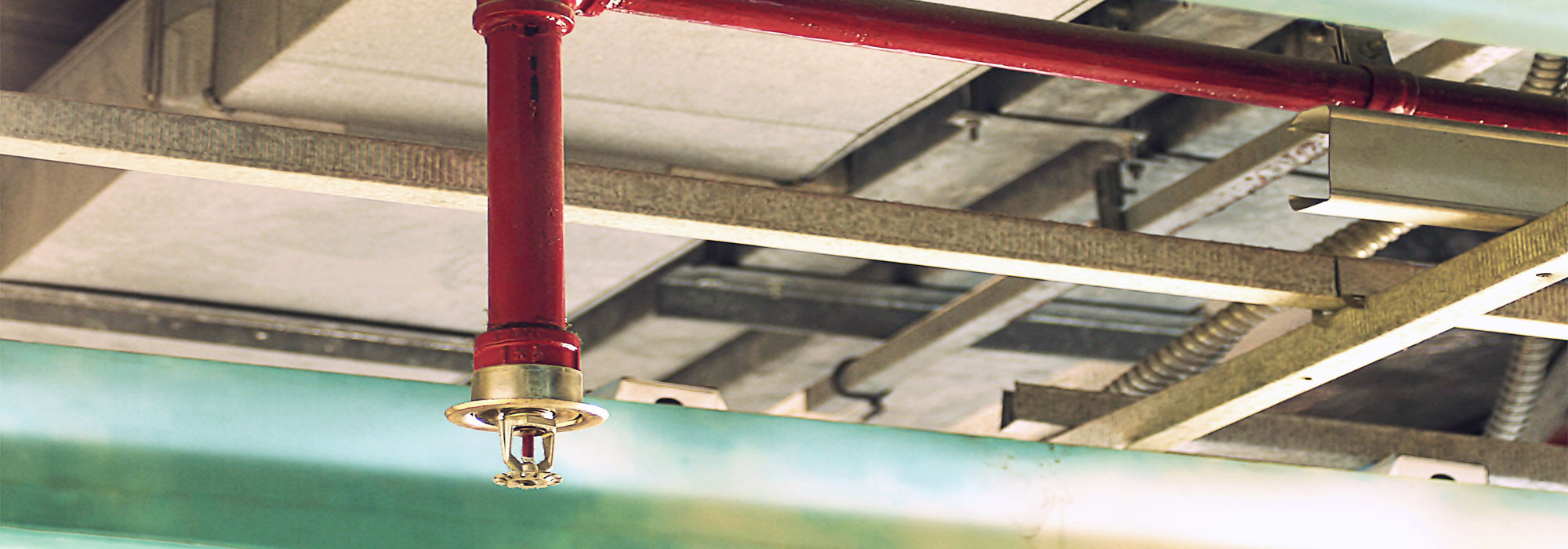
How Fire Sprinklers Control Fires
A fire sprinkler head is designed to activate when it detects heat from a developing fire. Once the temperature reaches the sprinkler's activation point, the glass bulb breaks and water is released.
The water is distributed by the sprinkler deflector, creating a spray pattern that targets the fire source.
This process helps to:
reduce flame intensity
lower ceiling temperatures
slow down fire spread
limit smoke production
In many fire incidents, only one or two sprinkler heads are needed to control the fire.
Why Early Fire Suppression Matters

Fires grow rapidly if not controlled within the first few minutes. Early suppression is critical because it can:
prevent structural damage
reduce injury risks
protect valuable equipment
minimize business interruption
Automatic fire sprinkler systems are designed specifically to provide this early response capability.
Quick Response Sprinklers Improve Safety
Modern buildings increasingly use quick response fire sprinklers, which are designed to activate faster than traditional sprinklers.
These sprinklers use smaller glass bulbs and have lower response time indexes, allowing them to detect heat more quickly.
Because of their faster activation, quick response sprinklers are widely used in:
offices
hotels
hospitals
residential buildings
They are especially effective in buildings where occupant safety is a top priority.
Supporting Components of Fire Protection Systems
Besides sprinklers, other components ensure that the fire protection system operates effectively.
Important equipment includes:
fire pumps that supply water pressure
control valves that regulate water flow
alarm systems that warn occupants
hydrant systems used by firefighters
Together, these components create a complete fire protection infrastructure.
Conclusion
Real fire incidents clearly show that fire sprinkler systems are one of the most effective fire protection technologies available today. By detecting heat and releasing water automatically, sprinklers can control fires in their early stages and significantly reduce damage.
For modern buildings, installing a reliable fire protection system with high-quality sprinkler heads and valves is essential for ensuring safety and protecting property.


