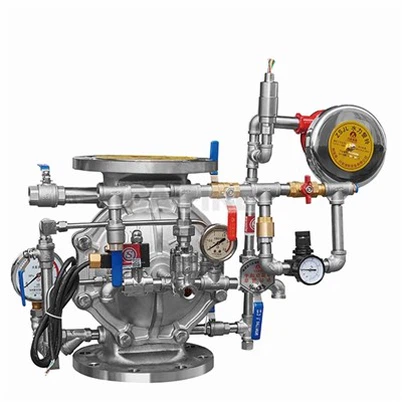

Extinguishing Liquid Fires
Leave a message
Flammable liquids are classified into three levels based on their flash point, which is the lowest temperature at which a liquid can give off enough vapor to ignite in air. Class 1 includes liquids with a flash point below 22.8°C, Class 2 includes liquids with a flash point between 22.8°C and 93.3°C, and Class 3 includes liquids with a flash point between 93.4°C and 138°C. When dealing with a fire caused by flammable liquid, it is important to know the different ways to extinguish it.
The traditional approach to extinguishing liquid fires involves cutting off the oxygen supply by covering the burning liquid with a fire blanket or by using foam to create a barrier between the burning liquid and the air. Water, on the other hand, is not recommended in extinguishing liquid fires because it can spread the fire and cause the liquid to splash, making the fire bigger.
Another effective way to extinguish liquid fires is by using foam, specifically foam fire extinguishers. Foam fire extinguishers use foam as a medium to extinguish fires caused by flammable liquids. The foam has three different properties that help to extinguish fires. It creates a barrier between fuel and air, cools down the fuel to a point where it cannot combust anymore, and inhibits the chemical chain reaction that is required for the fire to continue burning.
Foam fire extinguishers are ideal for liquid fires, as they can be used on Class A, B, and C fires. Class A fires are those which involve solid substances, Class B fires involve liquids, and Class C fires are fires that involve electrical elements. These fire extinguishers contain foam that is made up of water and a foam concentrate that creates the foam's properties.
Use of foam fire extinguishers requires proper training on the part of the personnel handling them, as the foam needs to be deployed in a specific way, depending on the class of fire it is being used on. The user should be positioned upwind of the fire and should aim the nozzle at the base of the fire before deploying the foam.
In conclusion, when dealing with liquid fires, it is important to know the different ways to extinguish them. Traditional methods like covering the fire with a fire blanket or using foam to create a barrier between the burning liquid and the air are effective. But when dealing with larger fires, foam fire extinguishers are a go-to tool as they quickly extinguish flammable liquid fires while also being versatile in the types of fires they can be used on. Proper training is a must for using these extinguishers to ensure effective use in emergency situations.