

Cold Climate Fire Safety: Why Dry-Barrel Hydrants Are Gaining Global Attention
Leave a message
As urban infrastructure expands into colder regions, maintaining effective fire protection systems is more critical than ever. Traditional fire hydrants that remain filled with water are prone to freezing during winter, which can compromise emergency response and increase maintenance costs. Dry-barrel fire hydrants, which only contain water when in use, are now emerging as the preferred solution for municipalities, industrial facilities, and commercial properties located in cold climates.
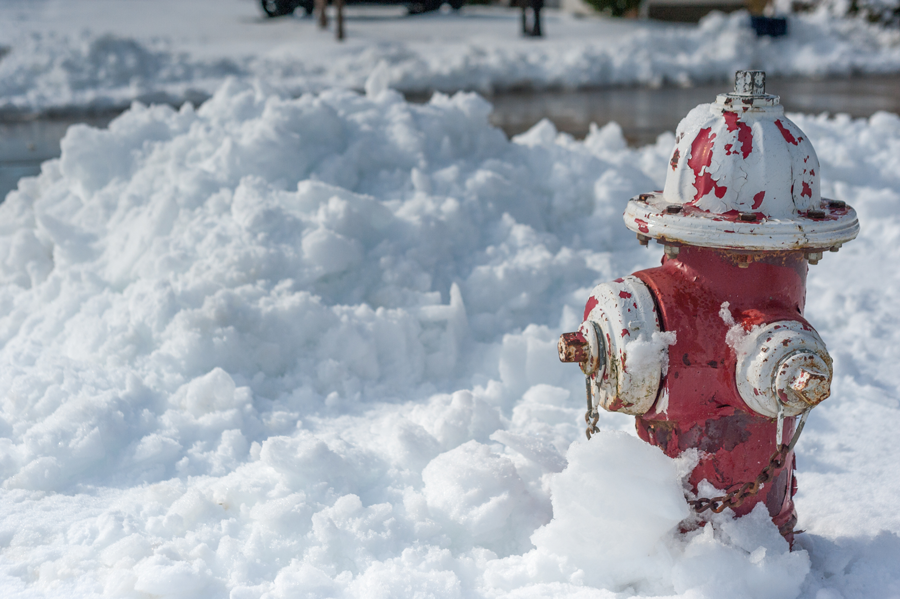
Why Dry-Barrel Hydrants Are Essential in Cold Regions
Dry-barrel hydrants are specifically engineered to prevent water from freezing inside the hydrant barrel. Unlike wet-barrel hydrants, which remain filled with water year-round, dry-barrel hydrants keep the water below ground in the supply line. This design ensures that the above-ground portion of the hydrant stays dry, eliminating the risk of freeze-related damage such as cracked barrels or malfunctioning valves.
In recent years, fire departments in North America, Europe, and northern Asia have reported numerous incidents where standard hydrants failed due to freezing. Such failures can delay firefighting efforts, leading to property damage and potential safety hazards. As a result, many municipalities are now retrofitting older systems with dry-barrel hydrants or specifying them for new developments.
How Dry-Barrel Hydrants Work
A dry-barrel hydrant only contains water when the valve is opened during operation. Here's a step-by-step overview of how it functions:
Closed Position: The main valve, located below the frost line, remains closed, keeping the upper barrel completely dry.
Opening the Hydrant: Firefighters use an operating nut to lift the underground valve stem, allowing water to flow into the barrel.
Water Flow: Pressurized water travels through the standpipe and exits via the outlet nozzles.
Closing and Draining: Once closed, residual water drains automatically through built-in drain holes, ensuring the barrel remains empty and freeze-free.
This simple yet effective design has made dry-barrel hydrants highly reliable, even in extreme winter conditions.
Key Advantages of Dry-Barrel Hydrants
Freeze Protection: Prevents ice formation and internal damage
Durability: Built to withstand harsh weather and outdoor conditions
Low Maintenance: Automatic drainage reduces corrosion and wear
Reliable Performance: Hydrants are operational whenever needed
Wide Applications: Suitable for urban, industrial, and commercial fire protection systems

Installation and Maintenance Best Practices
Proper installation and maintenance are essential for maximizing performance:
Install the main valve below the frost line and ensure proper soil drainage
Keep drain holes clear of debris to allow complete water drainage
Inspect hydrants periodically to confirm smooth operation
Lubricate the operating nut and stem for easy access
Conduct seasonal tests before winter to verify functionality
Regular maintenance ensures that the hydrant remains reliable during firefighting emergencies, minimizes repair costs, and extends service life.
Market Trends and Industry Insights
With climate change causing more extreme and unpredictable weather, the demand for freeze-resistant fire protection solutions is rising. Governments and private industries are increasingly prioritizing hydrants that guarantee performance in freezing conditions.
Technological advancements have also enhanced dry-barrel hydrants. New materials, corrosion-resistant coatings, and improved valve mechanisms increase durability and reduce downtime. Automated monitoring systems are being introduced to track hydrant performance and detect potential issues before they become critical.
CA-FIRE Fire Protection is a leading provider of high-quality dry-barrel hydrants designed for cold-weather operations. Their hydrants are customizable to meet municipal, industrial, and commercial needs, offering reliable water supply, efficient drainage, and long-lasting performance. With a focus on certified, dependable products, CA-FIRE ensures that communities and facilities stay safe year-round, even in harsh winter conditions.
Conclusion
Dry-barrel hydrants are becoming the standard for fire protection in cold climates due to their unique ability to prevent freezing while maintaining reliability and durability. With proper installation, regular maintenance, and the latest technological advancements, these hydrants ensure that communities and facilities remain safe year-round.
As urban areas expand into colder regions and industrial operations face harsher conditions, the adoption of dry-barrel hydrants is expected to grow globally. Fire safety planners, municipal authorities, and facility managers should evaluate their existing systems and consider upgrading to freeze-resistant hydrants to improve resilience, reduce maintenance costs, and protect property and lives.
For more information on cold-weather dry-barrel hydrants, visit www.cafire-119.com or contact CA-FIRE Fire Protection via WhatsApp +86 18160950625.


