
Chemical Plant Fire Raises Questions About Foam Fire Protection
Leave a message
Why Are Chemical Plant Fires So Dangerous?
Chemical plants often store or process highly combustible substances, including fuels, solvents, alcohols, and other hazardous chemicals. Once ignited, these materials can produce intense heat, toxic smoke, and rapidly spreading fires.
Common causes of chemical plant fires include:
Flammable liquid leaks
Equipment failure
Electrical faults
Static electricity
Hot work operations
Human error during production or maintenance
Because many chemicals continue to release flammable vapors, extinguishing the visible flames alone is often not enough to prevent re-ignition.

Why Water Alone May Not Be Enough
Water is highly effective for cooling many types of fires, but it has limitations when dealing with Class B flammable liquid fires.
Applying large amounts of water to burning fuel may:
Spread burning liquid to adjacent areas
Fail to suppress flammable vapors
Increase the risk of re-ignition
Provide limited control over large fuel surface fires
For these hazards, foam-based fire suppression systems are often the preferred solution.
How Foam Fire Protection Works
Firefighting foam concentrate is mixed with water through a foam proportioning system before being discharged through specialized equipment such as foam monitors, foam chambers, foam sprinklers, or foam nozzles.
The generated foam blanket works by:
Separating the fuel from oxygen
Cooling the fuel surface
Suppressing flammable vapors
Preventing flashback and re-ignition
This combination makes foam systems particularly effective for protecting chemical processing facilities and liquid storage areas.
Foam Systems Commonly Used in Chemical Plants
Foam Bladder Tank Systems
Foam bladder tanks provide reliable and automatic proportioning without requiring external power. They are widely used for fixed foam fire protection systems in industrial facilities.
Foam Monitors
Foam monitors deliver large volumes of foam over long distances, making them suitable for protecting:
Tank farms
Loading stations
Chemical storage yards
Process units
Remote-controlled foam monitors further improve firefighter safety by allowing operation from protected locations.
Foam Chambers
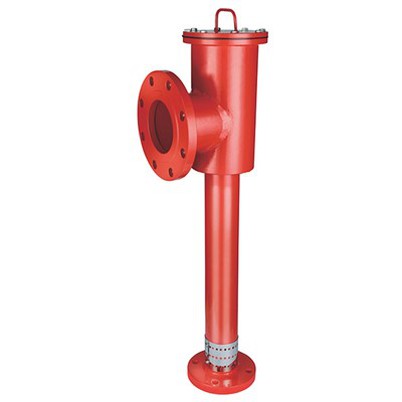
Foam chambers are commonly installed on fixed roof storage tanks. They gently introduce foam into the tank to extinguish surface fires while minimizing fuel agitation.
Foam Sprinkler Systems
Foam-water sprinkler systems combine cooling and foam suppression, making them suitable for warehouses storing flammable liquids and certain industrial processing areas.
Selecting the Right Foam Concentrate
The appropriate foam concentrate depends on the specific hazards present.
AFFF
Suitable for hydrocarbon fuels such as gasoline, diesel, and crude oil.
AR-AFFF
Designed for both hydrocarbon fuels and polar solvents, including ethanol, methanol, and acetone.
Choosing the correct foam concentrate ensures effective fire suppression and system compatibility.
Additional Fire Protection Measures
Foam systems should be integrated into a comprehensive fire protection strategy that may include:
Automatic fire detection systems
Fire alarm systems
Deluge valve systems
Fire hydrant networks
Industrial fire monitors
Portable firefighting equipment
Regular inspection and maintenance
Combining multiple protection measures significantly improves emergency response capabilities.
Lessons Learned
Chemical plant fires demonstrate that prevention and preparedness are equally important. Facilities handling flammable liquids should conduct regular fire risk assessments, maintain fire protection equipment, and ensure suppression systems are designed for the specific hazards present.
Investing in reliable foam fire protection can help minimize property damage, reduce operational downtime, and most importantly, protect personnel during fire emergencies.
Conclusion
Chemical plant fires continue to present significant safety challenges across many industries. While every facility has unique hazards, properly designed foam fire protection systems remain one of the most effective methods for controlling flammable liquid fires. Selecting the right foam concentrate, proportioning equipment, and discharge devices is essential for achieving reliable industrial fire protection.