
2026 Fire Protection Industry Trends: New Technologies And Growing Safety Demands
Leave a message
The global fire protection industry is entering a new stage of development in 2026, driven by rapid industrial growth, stricter safety requirements, and increasing demand for advanced protection technologies.
From smart monitoring systems to high-performance fire suppression equipment, modern fire protection solutions are becoming more intelligent, efficient, and application-focused. Industries such as energy, manufacturing, logistics, aviation, and chemical processing are seeking more reliable systems to protect people, assets, and critical infrastructure.
This article explores the major trends shaping the fire protection industry in 2026 and how new technologies are changing the future of fire safety.

1. Smart Fire Protection Systems Become More Widely Used
One of the biggest trends in 2026 is the integration of digital technology into traditional fire protection systems.
Modern fire safety solutions are increasingly adopting:
IoT-based monitoring devices
Remote system supervision
Real-time alarm notifications
Data analysis and predictive maintenance
Smart fire protection systems allow operators to monitor equipment status, identify potential problems earlier, and improve emergency response efficiency.
For large facilities such as factories, warehouses, and energy plants, remote monitoring can significantly reduce maintenance risks and improve overall safety management.
2. Growing Demand for Industrial Fire Protection Solutions
Industrial facilities are facing increasingly complex fire risks due to:
Larger production areas
Higher energy consumption
Increased use of automated equipment
Storage of flammable materials
Traditional fire protection systems may not always provide sufficient coverage for high-risk environments.
As a result, industries are investing more in advanced solutions including:
Industrial fire monitor systems
Foam fire suppression systems
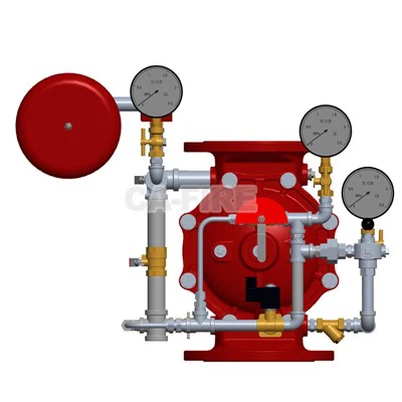
Deluge valve systems
High-capacity sprinkler systems
Fire monitors, especially remote-controlled models, are becoming important equipment for protecting large open areas such as oil terminals, chemical plants, ports, and aircraft hangars.
3. Energy Storage and New Industries Create New Fire Safety Challenges
The rapid growth of renewable energy and battery storage facilities has introduced new fire protection challenges.
Battery energy storage systems (BESS) may experience risks such as:
Thermal runaway
Rapid fire development
Toxic gas release
Explosion hazards
These emerging risks are driving demand for specialized fire detection and suppression solutions.
Fire protection systems for new energy applications require:
Faster detection
Reliable suppression performance
Customized system design
Continuous monitoring
4. Advanced Fire Suppression Technologies Continue to Develop
Fire suppression technology is evolving to provide faster response and better protection performance.
Key developments include:
High-Performance Sprinkler Systems
Modern sprinkler technology focuses on:
Faster response time
Improved water distribution
Higher discharge efficiency
Quick response sprinklers and specialized warehouse sprinklers are increasingly used in commercial and industrial applications.
Foam Fire Protection Systems
Foam systems remain essential for protecting areas involving flammable liquids, including:
Oil storage facilities
Chemical plants
Fuel terminals
Aviation facilities
New foam technologies focus on improved environmental performance and higher fire suppression efficiency.
Automated Fire Monitor Systems
Remote-controlled fire monitors provide:
Long-distance water or foam discharge
Safer operation in hazardous areas
Flexible directional control
They are widely used in industrial environments requiring large-area fire protection.
5. Higher International Standards and Certification Requirements
Global construction projects are placing greater emphasis on certified fire protection products.
Project owners and contractors increasingly consider:
Product quality
Manufacturing reliability
Testing standards
International certifications
Compliance with recognized standards helps ensure fire protection equipment performs reliably during emergencies.
Manufacturers are focusing on improving production processes, quality control, and product testing to meet international market requirements.
6. Sustainable Fire Protection Solutions Gain Attention
Sustainability is becoming an important consideration in fire protection.
The industry is exploring:
Environmentally friendly firefighting agents
Longer-life equipment materials
Reduced maintenance requirements
Energy-efficient monitoring systems
Future fire protection solutions will need to balance safety performance with environmental responsibility.
7. Customized Fire Protection Design for Different Industries
A single fire protection solution cannot meet the needs of every industry.
In 2026, customized system design is becoming increasingly important.
Examples include:
Warehouses
ESFR sprinklers
High-flow sprinkler systems
Fire monitoring solutions
Oil & Gas Facilities
Foam systems
Fire monitors
Deluge protection systems
Airports and Hangars
Foam suppression
Large-flow monitors
Emergency response equipment
Manufacturing Plants
Sprinkler systems
Fire hydrants
Industrial valves
Industry-specific solutions help improve protection efficiency and reduce operational risks.
Conclusion
The fire protection industry in 2026 is moving toward smarter, more efficient, and more specialized solutions. Growing industrial complexity, new energy applications, and stricter safety expectations are driving continuous innovation.
From intelligent monitoring systems to advanced sprinkler, foam, and fire monitor technologies, modern fire protection equipment plays a critical role in protecting global industries.
As a professional fire protection equipment manufacturer, CA-FIRE continues to provide reliable solutions including fire sprinklers, fire monitors, foam systems, fire hydrants, and fire protection valves for industrial and commercial applications worldwide.
Contact CA-FIRE for reliable fire protection solutions tailored to your project requirements.
FAQ
Q1: What are the main fire protection trends in 2026?
The main trends include smart fire systems, industrial fire protection, advanced suppression technologies, and customized safety solutions.
Q2: Why are smart fire protection systems becoming popular?
Smart systems enable real-time monitoring, remote management, and early detection of potential problems.
Q3: Which industries need advanced fire protection solutions?
Industries such as oil and gas, chemical processing, warehouses, airports, manufacturing, and energy storage require advanced protection systems.
Q4: What fire protection equipment is commonly used in industrial applications?
Common equipment includes fire sprinklers, fire monitors, foam systems, deluge valves, and fire hydrants.
Q5: How will fire protection develop in the future?
Future fire protection will focus on intelligence, automation, sustainability, and higher safety performance.