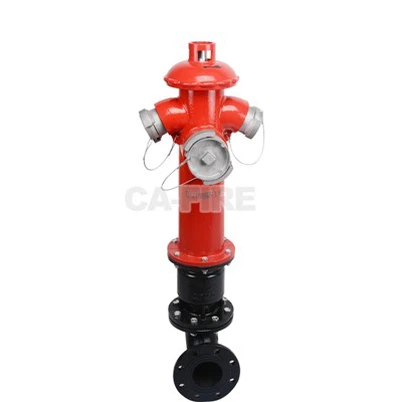

Why Do They Drain Fire Hydrants?
Leave a message
Fire hydrants are a critical part of any municipal fire protection system. But many people wonder: why do they drain fire hydrants after use or during maintenance?
Draining a fire hydrant is not random-it is an essential process to ensure proper operation, prevent freezing, and maintain long-term reliability.
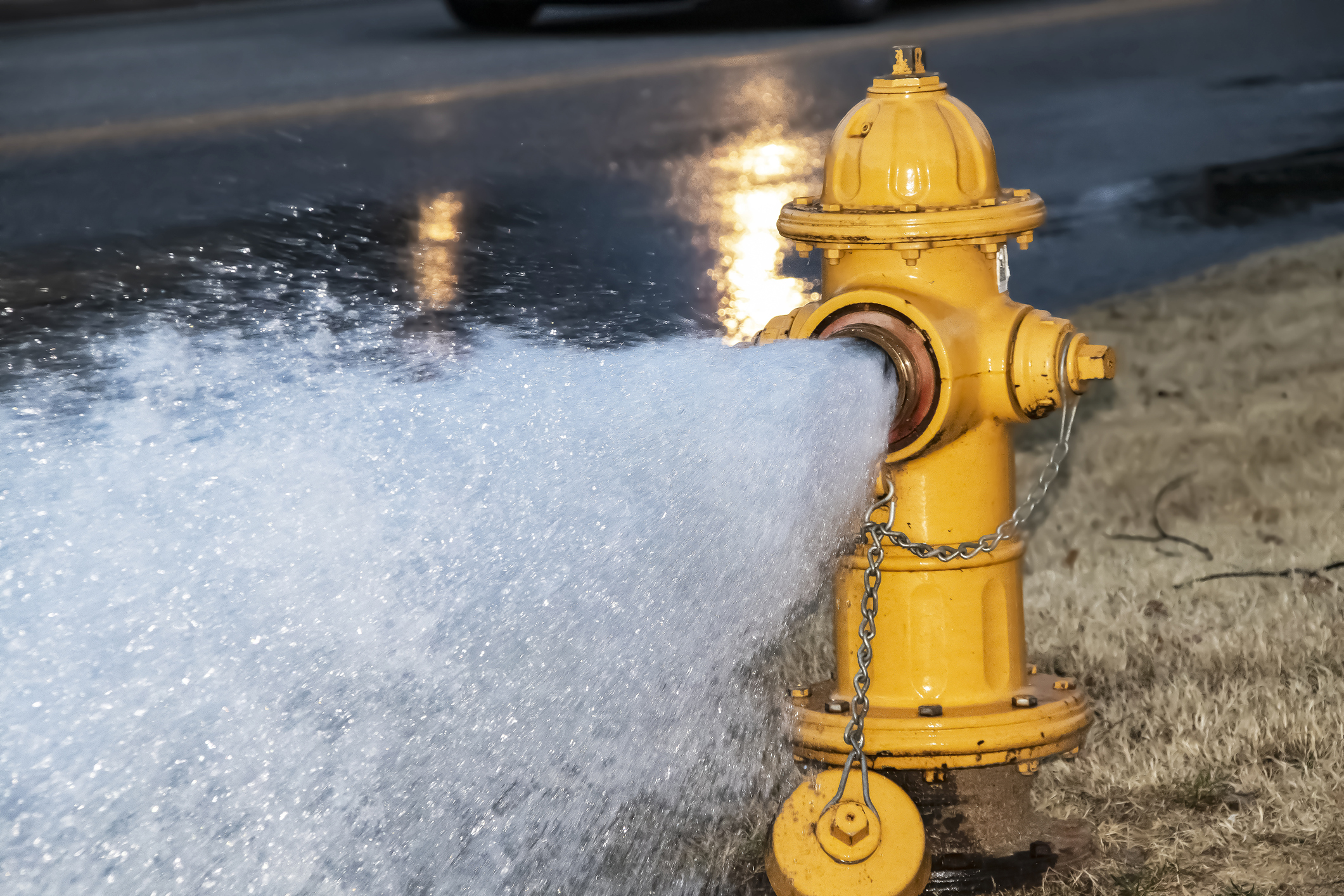
1. To Prevent Freezing in Cold Weather
Most modern fire hydrants are dry barrel hydrants, especially in regions with cold climates.
When firefighters close the hydrant after use:
The main valve at the bottom shuts off water flow.
Water inside the barrel automatically drains into the ground through drain outlets.
This prevents water from remaining inside the hydrant, which could freeze in winter and damage internal components.
Without proper drainage, frozen water can:
Crack the barrel
Damage the valve seat
Make the hydrant inoperable during emergencies
2. To Prevent Corrosion and Internal Damage
Standing water inside a hydrant can cause:
Rust buildup
Sediment accumulation
Internal component deterioration
Draining helps keep the hydrant dry when not in use, extending its service life and reducing maintenance costs.
3. To Remove Debris and Sediment
During routine maintenance or flow testing, hydrants are flushed and drained to:
Clear sand and debris from the water line
Ensure smooth valve operation
Maintain proper water pressure
This flushing process improves overall system performance and reliability.
4. After Firefighting Operations
After hydrants are used during a fire emergency:
They must be properly shut off
Residual water must drain completely
Caps are secured to prevent contamination
This ensures the hydrant is ready for the next emergency.
5. Dry Barrel vs. Wet Barrel Hydrants
Dry Barrel Hydrants
Designed to drain automatically
Used in cold climates
Main valve located underground
Wet Barrel Hydrants
Constantly filled with water
Used in warm climates
Each outlet has its own valve
Dry barrel hydrants require proper drainage, while wet barrel hydrants do not rely on automatic draining.
Conclusion
Fire hydrants are drained to:
Prevent freezing
Avoid corrosion
Remove debris
Maintain system readiness
Proper drainage ensures hydrants remain reliable and operational when firefighters need them most.
Contact Us
CA-FIRE is a professional manufacturer of certified fire protection equipment, including fire hydrants and related system components.
🌐 Website: www.cafire-119.com
📧 Email: miki@ca-fire.com
📱 WhatsApp: +86 18160950625
CA-FIRE – Reliable Fire Protection Solutions Worldwide.