

Why Do Fire Fighting Nozzles Have Twists?
Leave a message
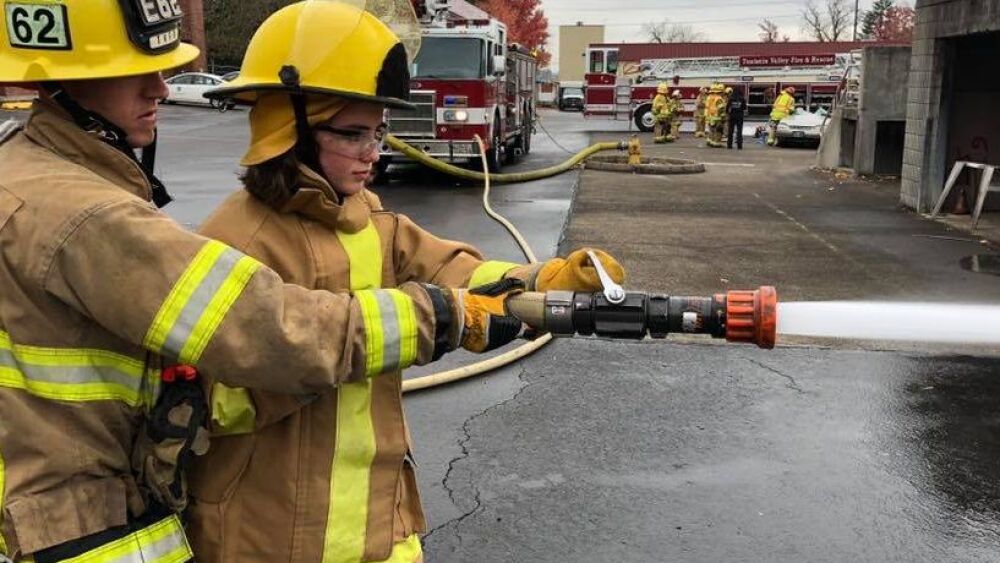
Fire fighting nozzles are designed with twist mechanisms for important functional reasons. Whether it is a rotating barrel, adjustable flow ring, or internal spiral structure, these twists play a critical role in controlling water flow, spray pattern, pressure, and overall firefighting efficiency.
Understanding why fire fighting nozzles have twists helps engineers, contractors, distributors, and fire protection professionals select the right nozzle for different fire scenarios.
Adjustable Spray Patterns for Different Fire Conditions
One of the primary reasons fire fighting nozzles have twists is to allow quick adjustment of spray patterns.
By twisting the nozzle barrel, firefighters can switch between:
Straight stream – A concentrated jet for long-distance reach and penetration
Narrow fog – Improved cooling and heat absorption
Wide fog – A protective water curtain for firefighter safety
This flexibility is essential in structural firefighting where fire conditions can change rapidly. A simple twist allows immediate adaptation without replacing equipment.
Internal Spiral Design Improves Water Atomization
Many fog and spray nozzles contain internal spiral vanes or turbine-like components. These internal twists:
Create rotational water movement
Break water into fine droplets
Increase surface area for heat absorption
Fine droplets absorb heat much faster than solid streams. This improves fire suppression efficiency, enhances steam generation for oxygen displacement, and increases cooling performance in confined spaces.
Flow Rate and Pressure Control


Modern professional nozzles often include a twist-to-adjust flow control system.
By rotating the control ring, users can select different flow settings such as:
95 GPM
125 GPM
150 GPM
This helps to:
Match pump output capacity
Reduce hose reaction force
Optimize water usage
Maintain stable operating pressure
In high-pressure systems, twist adjustment can also reduce sudden pressure fluctuations and improve operational stability.
Improved Grip and Operational Safety
External twist rings are designed with anti-slip grooves and textured surfaces. This ensures firefighters can:
Operate the nozzle while wearing protective gloves
Adjust spray patterns under high pressure
Maintain control in wet or hazardous environments
Ergonomic twist mechanisms reduce fatigue and improve safety during extended firefighting operations.
Durability and Long-Term Reliability
Fire fighting nozzles operate under demanding conditions including high pressure, extreme temperatures, and physical impact.
Twist components are typically manufactured from:
Hard anodized aluminum
Brass
Stainless steel
Precision machining ensures smooth rotation and long service life, even after repeated use in harsh environments.
Common Types of Fire Fighting Nozzles with Twist Mechanisms
Twist functionality is commonly found in:
Combination nozzles
Fog nozzles
Selectable gallonage nozzles
Industrial water spray nozzles
Fire monitor nozzles
Each type uses twist engineering to improve control, safety, and suppression performance.
Conclusion
Fire fighting nozzles have twists because they provide essential control over spray pattern, atomization, flow rate, and operational safety. These engineered mechanisms allow firefighters to respond effectively to changing fire conditions while maximizing efficiency and reliability.
Selecting the right twist-controlled nozzle ensures better performance in municipal, industrial, and commercial fire protection systems.
Contact CA-FIRE
For professional fire fighting nozzles, hydrants, valves, and complete fire protection solutions, please contact us:
Website: www.cafire-119.com
Email: miki@ca-fire.com
WhatsApp: +86 18160950625
CA-FIRE – Professional Manufacturer of Fire Protection Equipment.


