

Where to Find Expert Fire Protection and Sprinkler Engineers
Leave a message
Introduction
Fire protection and sprinkler engineers play a critical role in safeguarding lives, property, and business continuity. From system design and hydraulic calculations to code compliance and commissioning, qualified engineers ensure that fire protection systems perform reliably in emergencies. Whether you are planning a new construction project, upgrading an existing facility, or resolving compliance issues, finding experienced professionals is essential.
This guide explains where to find expert fire protection and sprinkler engineers, what qualifications to look for, and how to evaluate the right partner for your project.
Why Hiring a Qualified Fire Protection Engineer Matters
Code Compliance and Regulatory Approval
Fire protection systems must comply with national and international standards such as those developed by the National Fire Protection Association (NFPA) and other local authorities. A qualified engineer understands the applicable codes, ensuring smooth approvals and inspections.
Accurate Hydraulic Calculations
Sprinkler systems rely on precise hydraulic calculations to ensure proper water flow, pressure, and coverage. Experienced engineers use advanced software and practical knowledge to design systems that meet hazard classifications and building requirements.
Risk Assessment and Performance-Based Design
Complex buildings such as high-rises, warehouses, industrial plants, and data centers often require performance-based fire engineering. Professional engineers can conduct fire modeling, smoke control analysis, and evacuation studies to optimize safety strategies.
Where to Find Expert Fire Protection and Sprinkler Engineers
1. Professional Engineering Associations


Organizations such as the Society of Fire Protection Engineers (SFPE) provide member directories and certification programs. These associations maintain high professional standards and promote continuing education.
Benefits of searching through associations include:
Verified professional credentials
Access to certified fire protection engineers
Up-to-date knowledge of current standards
Networking opportunities at industry conferences
Membership often indicates commitment to ethical practice and technical excellence.
2. Licensed Engineering Consulting Firms
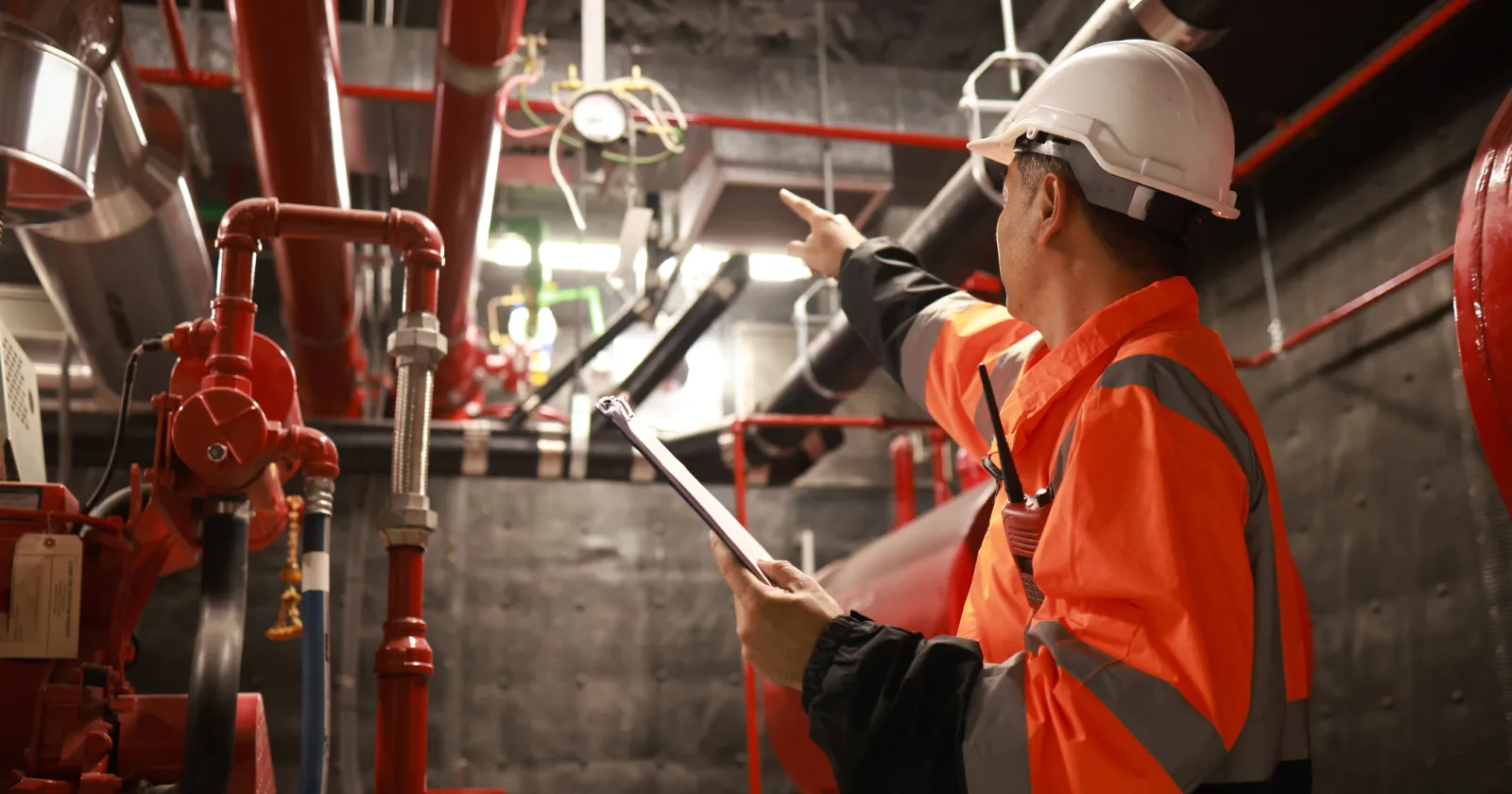
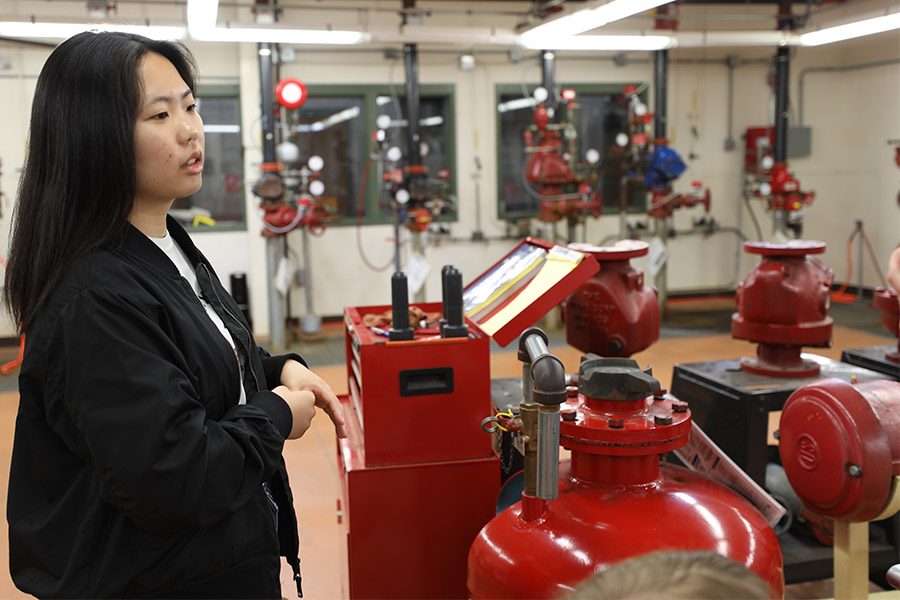
Many engineering consulting firms specialize in fire protection system design. These firms typically provide:
Fire sprinkler system layout (wet, dry, pre-action, deluge systems)
Fire alarm and detection system integration
Water supply and pump room design
Code compliance review and documentation
On-site commissioning and inspection
When evaluating a firm, consider:
Professional Engineer (PE) licensing
Years of experience in similar projects
Familiarity with industrial, commercial, or residential applications
Ability to coordinate with architects and MEP engineers
A multidisciplinary firm can provide integrated solutions that reduce project delays.
3. Fire Protection Contractors with Engineering Teams
Large fire protection contractors often employ in-house design engineers who specialize in sprinkler systems. These teams handle:
Shop drawings
Hydraulic calculations
System retrofits
Installation supervision
Working with contractors who have engineering capabilities can streamline communication between design and installation phases.
4. Fire Equipment Manufacturers and Technical Support Teams
Leading manufacturers of fire protection systems provide technical assistance and engineering consultation. Companies such as Tyco Fire Protection Products, Viking Group Inc., and Johnson Controls support system design with technical documentation, software tools, and application guidance.
While manufacturers may not replace independent engineers, they are valuable resources for:
Product selection
System compatibility
Certification requirements
Special hazard protection
5. Universities and Fire Engineering Programs
Universities offering fire protection engineering programs are excellent sources of qualified professionals. Graduates are trained in:
Fire dynamics
Smoke movement
Structural fire resistance
Sprinkler and suppression system design
Computational fire modeling
Research institutions also collaborate with industry partners on advanced fire safety solutions.
6. Online Professional Platforms and Licensing Databases
You can also find engineers through:
Professional networking platforms
Government licensing authority databases
Construction industry directories
Engineering service marketplaces
Before hiring, verify:
License validity
Professional certifications
Past project portfolio
Client references
Insurance coverage
Key Qualifications to Look For
Technical Competence
An expert fire protection engineer should demonstrate:
Strong knowledge of NFPA standards
Familiarity with FM, UL, and EN certifications
Proficiency in hydraulic calculation software
Experience with BIM and CAD systems
Project Experience
Look for engineers who have handled projects similar to yours, whether it is:
Industrial warehouse sprinkler systems
High-rise building fire protection
Oil and gas foam systems
Tunnel fire suppression
Data center clean agent systems
Communication and Coordination Skills
Fire protection engineering requires coordination with architects, mechanical engineers, electrical designers, and authorities having jurisdiction (AHJs). Clear communication reduces delays and costly revisions.
Questions to Ask Before Hiring
What standards and codes will you design according to?
Can you provide hydraulic calculation reports?
Do you have experience with similar hazard classifications?
Will you assist during authority inspections?
What is your estimated project timeline?
These questions help ensure the engineer understands your compliance and operational requirements.
Conclusion
Finding expert fire protection and sprinkler engineers requires careful evaluation of credentials, experience, and technical capability. Professional associations, licensed consulting firms, contractors, manufacturers, and academic institutions are reliable sources for qualified professionals.
By selecting experienced engineers, building owners and project managers can ensure safe, compliant, and high-performance fire protection systems that protect both people and property.
About CA-FIRE
CA-FIRE specializes in fire protection equipment, including hydrant systems, foam systems, valves, and sprinkler components for industrial and commercial applications.
🌐 Website: www.cafire-119.com
📧 Email: miki@ca-fire.com
📱 WhatsApp: +86 18160950625
For product support or technical consultation, feel free to contact our team.


