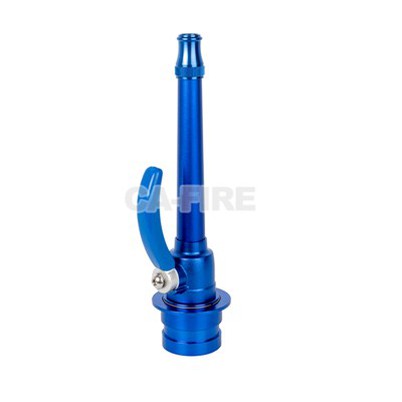

Where is the need for fire water cannons?
Leave a message
Fire Monitor is a critical tool in fighting fires in industrial and commercial settings. It is used to identify and tackle fires quickly before they cause significant damage to life and property. The fire monitor is a high-pressure water jetting system that is mounted on the top of a vehicle or fixed location. It is capable of delivering large volumes of water at high pressure, extinguishing fires efficiently. There are different types of fire monitors, and they may perform differently depending on the type of fire and the location. In this article, we will discuss the situations where fire monitors are suitable.
1. Tank Fires
Tank fires are difficult to fight due to the presence of flammable liquids. When a tank catches fire, it releases an intense amount of heat that can quickly spread to the surrounding areas. A fire monitor is a suitable tool for extinguishing a tank fire. The high-pressure water jetting system of the fire monitor can cool down the surface of the tank, lowering the temperature and preventing the fire from spreading. Additionally, the water from the fire monitor can form a shield over the liquid, preventing the fuel from igniting.
2. Petroleum Fires
Petroleum fires occur when fuel, oil, or gas are ignited. Petroleum fires are intense, and they can quickly spread if not tackled promptly. A fire monitor is an ideal tool for controlling petroleum fires. The high-pressure water stream of the fire monitor can cool down the fire, slow down the combustion rate, and reduce the spread of flames. It is an efficient way of extinguishing the fire before it causes significant damage.
3. Chemical Fires
Chemical fires are hazardous and have various risks associated with them. Firefighters need to assess each situation carefully before deciding how to tackle the fire. Chemical fires require different methods of fire suppression, and the traditional water-based system may not be suitable in all cases. A fire monitor can be used to control the fire while firefighters assess the situation. The water from the fire monitor forms a barrier, preventing the chemicals from spreading, and reduces the risk of explosion.
4. Construction Site Fires
Construction sites are prone to fires due to the presence of combustible materials and electrical equipment. Firefighters require a tool that can reach high places and reduce the risk of spreading the fire. A fire monitor is an ideal tool for fighting fires on construction sites. The water from the fire monitor can reach high places, extinguish the flames, and stop the fire from spreading. Additionally, the fire monitor can be moved quickly around the construction site, making it easier for firefighters to respond to different areas.
5. Electrical Equipment Fires
Electrical equipment is a significant fire hazard. It can also be challenging to tackle because of the risk of electrocution and the need to avoid using water as a suppression method. A fire monitor can be used to control electrical equipment fires without the risk of electrocution. The water jetting system of the fire monitor can extinguish the fire, and the nozzle can reach between the electrical components, ensuring that the fire is fully extinguished.
In conclusion, the fire monitor is a necessary tool in fighting fires in various situations. Firefighters need to assess each situation individually to determine the most suitable method of fire suppression. The fire monitor can be an efficient tool in the right situations, and it has helped to save many lives and properties over the years.