

When to Use Butterfly Valve in Fire Protection Systems
Leave a message
Butterfly valves play a critical role in modern fire protection systems, offering a balance of performance, efficiency, and cost-effectiveness. Whether used in commercial buildings, industrial facilities, or warehouse fire systems, understanding when to use a butterfly valve helps ensure optimal system design and long-term reliability.
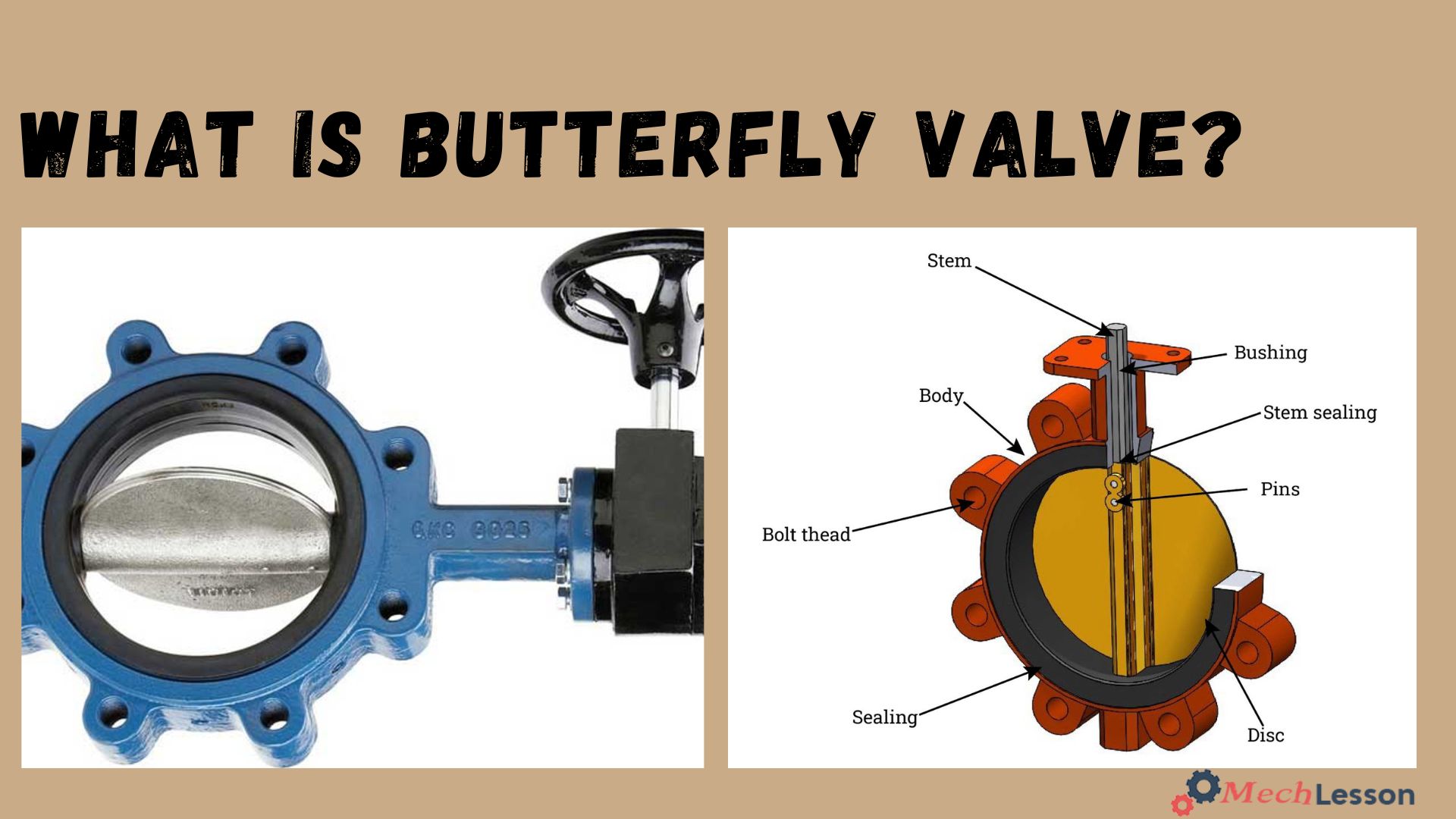
What Is a Butterfly Valve?
A butterfly valve is a quarter-turn flow control device that uses a rotating disc mounted on a shaft. When the handle or actuator rotates the disc 90 degrees, the valve opens or closes completely.
Key characteristics:
Compact and lightweight structure
Fast opening and closing (quarter-turn operation)
Low installation and maintenance costs
Available with supervisory switches for fire systems
In fire protection systems, butterfly valves are typically used as isolation valves rather than precision flow control devices.
Key Advantages of Butterfly Valves
1. Space-Saving Design
Butterfly valves require significantly less space than traditional gate valves, making them ideal for:
Mechanical rooms
Fire riser assemblies
Retrofit projects
Their slim body design allows easy installation even in tight piping layouts.
2. Quick Operation for Emergency Response
In fire protection, time is critical. Butterfly valves can be opened or closed with a simple 90-degree turn, enabling:
Rapid system isolation
Efficient emergency control
Faster maintenance procedures
3. Cost-Effective for Large Systems
For larger pipe diameters, butterfly valves are much more economical compared to gate valves.
Benefits include:
Lower manufacturing cost
Reduced shipping weight
Easier handling and installation
This makes them especially suitable for large-scale fire protection systems.
4. Compatibility with Monitoring Systems
Modern butterfly valves can be equipped with tamper switches (supervisory switches), which:
Send signals to fire alarm panels
Ensure valves remain in the correct position
Help meet NFPA and international fire safety standards
When to Use Butterfly Valves
1. Fire Sprinkler System Control
Butterfly valves are widely used in sprinkler systems for:
Floor control valve assemblies
Zone isolation
Main line shut-off
They allow sections of the system to be isolated without shutting down the entire network.
2. Fire Pump Systems
In fire pump rooms, butterfly valves are often installed on:
Pump suction and discharge lines
Test headers
Bypass lines
Their quick operation is essential for efficient system control and testing.
3. Industrial & Warehouse Applications
Butterfly valves are ideal for large-scale systems such as:
ESFR (Early Suppression Fast Response) sprinkler systems
High-bay warehouses
Manufacturing plants
These environments require reliable flow control in large-diameter pipes, where butterfly valves perform efficiently.
4. Underground and Outdoor Installations
With proper coating and corrosion protection, butterfly valves can be used in:
Underground fire pipelines
Outdoor fire protection networks
Municipal water supply connections
5. Retrofit and Upgrade Projects
Due to their lightweight and compact design, butterfly valves are often chosen for:
Replacing old gate valves
Upgrading existing fire systems
Projects with limited installation space
When NOT to Use Butterfly Valves
Despite their advantages, butterfly valves are not suitable in all situations.
Avoid using them when:
Precise flow regulation is required
Systems demand zero flow obstruction
High-pressure sealing performance is critical
Throttling applications could cause disc wear
In such cases, gate valves or globe valves may be more appropriate.
Butterfly Valve vs Gate Valve
| Feature | Butterfly Valve | Gate Valve |
|---|---|---|
| Operation | Quarter-turn | Multi-turn |
| Size & Weight | Compact, lightweight | Larger, heavier |
| Installation | Easy | More complex |
| Cost | Lower | Higher |
| Flow Resistance | Slight obstruction | Minimal obstruction |
| Maintenance | Simple | More involved |
Installation Best Practices
To ensure optimal performance:
Install valves in accessible locations for inspection and operation
Ensure correct flow direction (if applicable)
Use grooved, wafer, or flanged connections based on system design
Install supervisory switches where required by code
Avoid partially open positions during normal operation
Maintenance Recommendations
Routine maintenance helps extend valve lifespan and ensure system reliability:
Conduct regular visual inspections
Verify valve position (fully open/closed)
Test supervisory switch signals
Check for leakage or corrosion
Operate valves periodically to prevent sticking
Why Butterfly Valves Are Widely Used in Fire Protection
Butterfly valves have become a standard choice in fire protection systems because they provide:
Fast response during emergencies
Efficient system control
Lower total project cost
Reliable long-term performance
Their versatility makes them suitable for a wide range of applications, from small commercial buildings to large industrial fire protection networks.
Conclusion
Knowing when to use butterfly valves is essential for designing efficient and reliable fire protection systems. They are best suited for isolation, large-diameter pipelines, and applications where space and cost are key considerations. When properly installed and maintained, butterfly valves deliver excellent performance and long-term durability.
Contact Us
If you are looking for high-quality fire protection valves and sprinkler system components, feel free to contact us:
CA-FIRE
🌐 Website: www.cafire-119.com
📧 Email: miki@ca-fire.com
📱 WhatsApp: +86 18160950625
We provide a wide range of fire protection products, including butterfly valves, fire sprinkler heads, and system accessories, with support for OEM/ODM customization to meet your project requirements.


